
1.Beyond Residential: Why Commercial DWV Requires a Different Approach
In commercial MEP engineering, a failed Drain, Waste, and Vent (DWV) system isn’t just a maintenance headache—it’s a catastrophic financial liability. While residential DIY projects might survive with generic foam-core plastics, commercial plumbing networks face aggressive chemical discharges, immense hydrostatic stack pressures, and rigorous building code inspections.
Specifying non-compliant DWV materials can lead to failed pressure tests and concrete slab tear-outs, forcing contractors to absorb rework costs that are typically 300% to 400% higher than the initial installation budget. Compared to the devastating impact of project delays and liquidated damages, investing in code-compliant, solid-core uPVC is the most cost-effective insurance policy for your project.
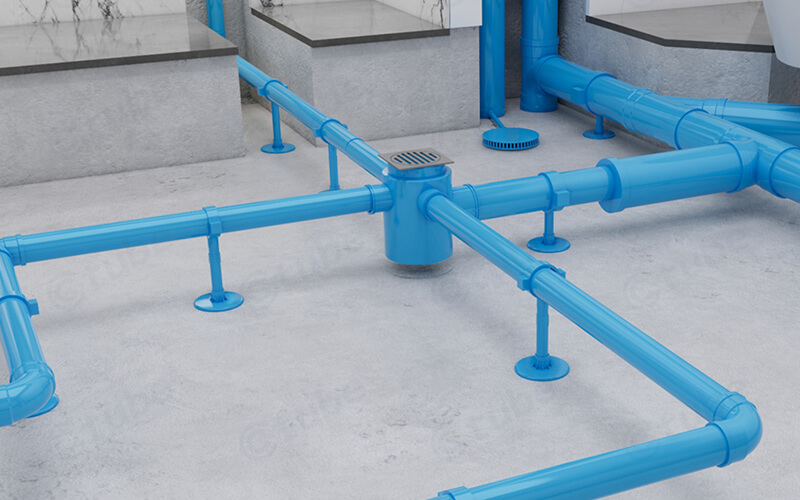
📌 Executive Summary for MEP Professionals
- Code Compliance is Absolute: Strictly specify unplasticized PVC (uPVC) conforming to the latest regional mandates: ASTM D2665-25 (North America), AS/NZS 1260:2017 (ANZ), or EN 1329-1:2026 (Europe).
- Vulnerable Environments Demand More: Hospitals and schools require DWV systems that not only handle high temperatures (up to 180°F/82.2°C industrial limits) but also guarantee zero biological hazards or toxic sewer gas leaks.
- السلامة الهيكلية: Rely on hard data. Ensure your pipes meet strict Ring Bending Stiffness (SN ratings) و 5% deflection limits to survive heavy trench backfill and concrete encasement without ovalization.
2. What is a Commercial DWV Pipe? (Engineering Definition)
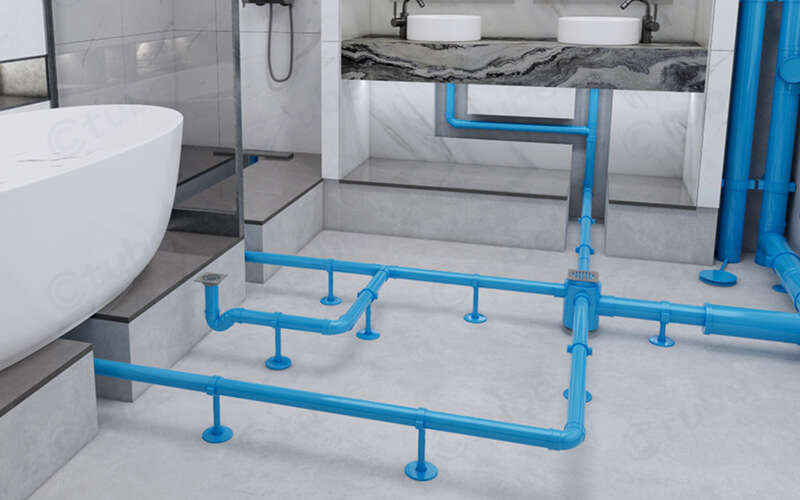
In commercial MEP (Mechanical, Electrical, and Plumbing) engineering, a DWV (Drain, Waste, and Vent) system is a complex, gravity-driven network designed to safely remove greywater and blackwater from a facility while neutralizing internal pneumatic pressure. Unlike pressurized water supply lines, DWV systems operate at atmospheric pressure and rely on exact pipe sloping, hydraulic flow dynamics, and specific sweep fittings to prevent solid waste blockages.
To understand the mechanical requirements, we must break down the three distinct functions:
2.1 The Functional Components of DWV (Hydraulic & Pneumatic Data)
| Component | Engineering Function | Critical MEP Parameter / Hard Data |
|---|---|---|
| Drain (D) | Transports greywater (showers, sinks) and blackwater (toilets) to the municipal sewer. | Must maintain a minimum slope (grade) of 1/4 inch per foot (2%) for pipes ≤ 2½”, or 1/8 inch per foot (1%) for pipes 3″ to 6″ to achieve self-cleaning velocity. |
| Waste (W) | Refers specifically to the liquid discharge that does not contain human waste (feces). | Operates entirely on gravity. Requires high-ring-stiffness piping (e.g., SN8/SN10 or Sch 40) to prevent belly formation and stagnant water pooling. |
| Vent (V) | Equalizes pneumatic pressure in the drainage system to prevent trap seal siphonage (blowouts). | Vent stacks must extend outdoors. Without this equalization, a negative pressure spike will suck the water out of P-traps, allowing lethal and highly corrosive Hydrogen Sulfide (H2S) sewer gas into the building. |
يضمن الأنبوب ذو معامل الاحتكاك المنخفض، مثل uPVC، أن الماء يتحرك بسرعة كافية للحفاظ على "التنظيف الذاتي" للخط، مما يمنع بشكل فعال مشاكل التدفق البطيء وتراكم الأغشية الحيوية التي تؤدي إلى مكالمات صيانة مكلفة.
بينما تتولى شبكة الصرف الصحي معالجة السوائل، صُممت خطوط الصرف الصحي لمعالجة "المياه السوداء"، وهي مياه الصرف من المراحيض والمباول. ويُعد هذا الجزء الأكثر تطلبًا في النظام، إذ يجب أن يتعامل مع تدفقات عالية الحجم والسرعة تحتوي على نفايات صلبة.
تُعدّ الصلابة الهيكلية وثبات القطر عنصرين أساسيين هنا. ففي المشاريع السكنية أو التجارية واسعة النطاق، يجب أن يكون أنبوب الصرف الصحي متيناً بما يكفي لمقاومة الترهل على امتدادات أفقية طويلة. إذا انحنى الأنبوب أو ترهل نتيجة ضعف مادته، فستترسب المواد الصلبة حتماً، مما يؤدي إلى انسدادات كارثية. وهذا سبب رئيسي لتفوق صلابة مادة البولي فينيل كلوريد غير الملدن (uPVC) تقنياً على البدائل البلاستيكية الأكثر مرونة.
ربما تكون فتحة التهوية أكثر المكونات التي يُساء فهمها، مع أنها بالغة الأهمية لنجاح المشروع. على عكس الأنبوبين الآخرين، لا تنقل أنابيب التهوية الماء، بل تنقل الهواء وغازات الصرف الصحي. دورها الأساسي هو تنظيم الضغط الجوي داخل النظام بأكمله. تخيل صوت تدفق الماء في المرحاض كمكبس يتحرك داخل أسطوانة؛ فعندما يسقط هذا الحجم من الماء أسفل أنبوب رأسي، فإنه يُحدث فراغًا قويًا خلفه.
بدون نظام تهوية مصمم بشكل صحيح لإدخال الهواء النقي وكسر هذا الفراغ، فإن الشفط الناتج سيسحب الماء من مصائد الروائح - وهي موانع تسرب المياه الواقية الموجودة أسفل كل حوض ومصرف أرضي.
بمجرد تلف هذا الحاجز، يمكن لغازات المجاري ذات الرائحة الكريهة والتي قد تكون خطرة أن تدخل المبنى بحرية. لذلك، يضمن تصميم فتحة تهوية جيدة استمرار تصريف المياه بالجاذبية بشكل منتظم وبقاء الروائح خارج المبنى.
3. لماذا تُعدّ المادة مهمة: مزايا مادة uPVC
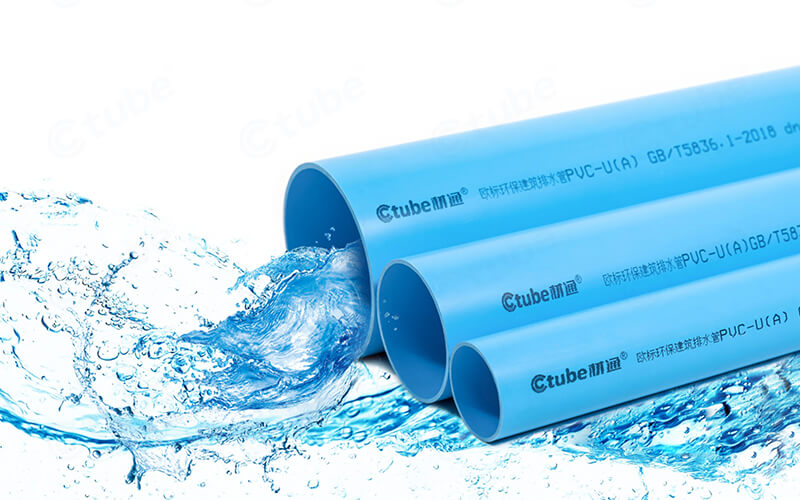
عندما يناقش الناس مواصفات نظام السباكة القوي، فإن الحديث يتجه حتماً نحو مادة uPVC (كلوريد البولي فينيل غير الملدن).
إن اعتماد مادة uPVC على نطاق واسع بدلاً من المواد التقليدية أو حتى مادة PVC القياسية ينبع من تركيبتها المتخصصة "غير الملدنة".
على الرغم من وجود مواد مختلفة لأنابيب الصرف، إلا أن مادة uPVC أصبحت المعيار العالمي للمشاريع التجارية والسكنية ذات المخاطر العالية.
إن هذا التفضيل ليس مجرد مسألة اتجاه؛ بل هو متجذر في الخصائص الفيزيائية والكيميائية الفريدة للمادة التي تحل التحديات المستمرة في هندسة الصرف الصحي والتهوية.
الصلابة الهيكلية ومقاومة الترهل
على عكس البولي فينيل كلوريد القياسي، الذي يحتوي على مواد ملدنة لزيادة مرونته، فإن البولي فينيل كلوريد غير الملدن (uPVC) مصمم خصيصًا ليكون "غير ملدن". وهذا ما يجعله أكثر صلابة بشكل ملحوظ. في أنظمة الصرف الصحي، يُعد الحفاظ على ميل ثابت أمرًا بالغ الأهمية للصرف بالجاذبية.
تضمن السلامة الهيكلية لأنابيب البولي فينيل كلوريد غير الملدن (uPVC) مقاومة الأنابيب للانحناء أو التقوس على امتدادها الأفقي الطويل. ومن خلال منع هذه التقوسات، تضمن أنابيب uPVC عدم تراكم المياه العادمة، مما يقضي فعلياً على أحد الأسباب الرئيسية للانسدادات والأعطال الهيدروليكية في شبكات السباكة واسعة النطاق.
مقاومة فائقة للمواد الكيميائية والتآكل
توفر الثبات الكيميائي لأنابيب uPVC مستوى من الحماية ضروري في عصر عوامل التنظيف المنزلية والصناعية القوية.
بينما تتعرض الأنابيب المعدنية للأكسدة والصدأ، يبقى البولي فينيل كلوريد غير الملدن (uPVC) خاملاً عملياً. وتمتد هذه المقاومة لتشمل حمض الكبريتيك الناتج طبيعياً عن غازات الصرف الصحي، والذي يمكن أن يُسبب تآكل المواد الأقل جودة مع مرور الوقت.
كفاءة هيدروليكية استثنائية
يُوفر السطح الداخلي الأملس لمادة uPVC ميزةً حاسمةً في ديناميكيات السوائل. وبفضل معامل خشونة مانينغ المنخفض، يُقلل هذا التجويف الداخلي فائق النعومة من الاحتكاك إلى أدنى حد. كما تُتيح الكفاءة الهيدروليكية العالية نقل النفايات بسلاسة حتى عند أدنى ميول تتطلبها قوانين البناء الحديثة.
علاوة على ذلك، فإن هذه النعومة تمنع التصاق الأغشية الحيوية وتراكم الترسبات، والتي تعد السبب الرئيسي للانسدادات المزمنة وأصوات "الغرغرة" داخل الجدران.
الكفاءة التشغيلية وموثوقية التركيب
إلى جانب خصائصه الفيزيائية، يوفر البولي فينيل كلوريد غير الملدن (uPVC) مزايا كبيرة خلال مرحلة البناء. فخفة وزنه تقلل الحاجة إلى معدات الرفع الثقيلة، بينما توافقه مع اللحام بالمذيبات يُنتج وصلات "ملتصقة جزيئياً".
يمكن لهذه الوصلات أن تحقق قوة مماثلة لجسم الأنبوب عند تركيبها بشكل صحيح، مما يوفر أداءً عالي الموثوقية في منع تسرب الهواء والماء. إن سهولة التركيب هذه تقلل بشكل كبير من تكاليف العمالة في الموقع وتقلل من خطر إجهاد الوصلات أو ظهور "التسريبات الخفية" بعد سنوات من اكتمال المشروع.
الراحة الصوتية والسلامة البيئية
صُممت تركيبات البولي فينيل كلوريد غير الملدن (uPVC) الحديثة لتلبية الطلب المتزايد على أنظمة السباكة الهادئة في المشاريع السكنية الفاخرة وعالية الكثافة. فمن خلال تحسين سماكة الجدار وكثافة المادة، يُمكن لـ uPVC أن يُخفف بشكل فعال من صوت تدفق المياه، مما يُعالج إحدى أكثر شكاوى المستأجرين شيوعًا.
4. Commercial DWV Pipe Material Comparison: uPVC vs. PVC, Cast Iron, and ABS
One of the most frequent errors in procurement is treating all plastic pipes identically. Specifying the wrong polymer or metal for a commercial DWV system drastically accelerates pipe failure, corrosion, and maintenance costs.
- uPVC (Unplasticized PVC) vs. Standard PVC: This is a critical distinction. Standard PVC often contains plasticizers to make it more flexible, which reduces its structural rigidity. uPVC is completely unplasticized, meaning it offers exceptional ring bending stiffness and resistance to severe chemical degradation. For gravity-fed DWV systems requiring exact long-term sloping without deflection, solid-core uPVC is the ultimate commercial standard.
- Cast Iron: Historically used for its acoustic dampening properties. However, it is exceptionally heavy, labor-intensive to install, and highly susceptible to internal tuberculation and Hydrogen Sulfide (H2S) corrosion.
- ABS (Acrylonitrile Butadiene Styrene): Identifiable by its black color. While highly impact-resistant at cold temperatures, it contains BPA, has a lower tensile strength than uPVC, and is strictly prohibited in many commercial fire zones due to its combustible nature and toxic smoke generation.
4.1 Material Performance Matrix for Commercial DWV
| مادة | Tensile Strength / Rigidity | Max Continuous Discharge Temp | Chemical & H2S Resistance | Commercial Application Verdict |
|---|---|---|---|---|
| Solid-Core uPVC (ASTM D2665 / EN 1329) | High (Unplasticized). High ring stiffness (SN8+). Resists soil load ovalization. | 140°F (60°C) | Exceptional. Completely inert to H2S sulfuric acid and harsh cleaning solvents. | Top Tier. Ideal for underground sewers, vertical stacks, and sanitary drainage. |
| Cellular-Core PVC (ASTM F891) | Low. Prone to crushing under heavy trench backfill. | 140°F (60°C) | Good. | Avoid in Commercial. Suitable only for light residential/DIY plumbing. |
| Cast Iron (No Hub) | Extreme. But subject to heavy weight-induced hanger failure. | 212°F (100°C) | Poor. Rusts and scales internally when exposed to sewer gases. | Niche. Used strictly where extreme fire-stopping or acoustic control is the only priority. |
| ABS (ASTM D2661) | Moderate. Subject to bowing in horizontal runs if unsupported. | 140°F (60°C) | Moderate. Degrades quickly under UV exposure. | Limited. Mostly residential. Banned in many commercial strict-code zones. |
Stop gambling with substandard materials on million-dollar contracts. Switch to high-ring-stiffness, corrosion-proof uPVC. Contact Ctube to claim uPVC DWV Chemical Resistance & Specifications ل verify compliance for your next project.
5. Global MEP Standards & Code Compliance for DWV Systems
Specifying the correct material standard is the foundation of project handover. A DWV system that fails to meet local codes will not pass the final plumbing inspection, rendering the entire building legally uninhabitable.
5.1 North America: ASTM D2665-25 (Latest Revision)
- Applicability: The definitive standard for solid-core PVC plastic drain, waste, and vent pipe and fittings across the USA and Canada (aligned with IPC/UPC).
- Why It Matters: Failing ASTM D2665 compliance means structural vulnerability. If a non-compliant pipe cracks under a foundation slab, the demolition, slab tear-out, and business disruption will cost multiples of the original MEP contract.
- Key Technical Parameters:
- صلابة الأنابيب: Mandates specific minimum stiffness at 5% deflection (e.g., 310 psi for 4-inch pipes / 2140 kPa) to prevent flattening.
- مقاومة التأثير: Pipes must withstand a minimum impact resistance of 60 ft-lbf (81 J) at 73°F (23°C), ensuring durability during rough construction handling.
- Temperature Limits: Standard specs apply up to typical use, but industrial waste exceeding 180°F (82.2°C) requires specific approval and system modifications.
5.2 Australia & New Zealand: AS/NZS 1260:2017
- Applicability: The mandatory benchmark for uPVC pipes and fittings for gravity drainage in the ANZ region.
- Why It Matters: Deep trenching in commercial builds puts immense earth loads on horizontal lines. Ignoring the specific SN (Stiffness Nominal) classification leads to severe pipe ovalization, joint seal failure, and massive subterranean leaks.
- Key Technical Parameters:
- Ring Bending Stiffness: Pipes are classified by short-term tests (SN4, SN6, SN8, SN10, SN16). Commercial projects typically mandate SN6 to SN10 for structural plain-wall pipes.
- Impact Characteristics: True Impact Rate (TIR) must remain below 10% at 20°C using specified mass drop heights.
- Visual Compliance: Standard specifies strict color tolerances (Pearl Grey N11 to Cloud Grey N22) for rapid on-site inspector verification.
5.3 Europe & UK: EN 1329-1:2026
- Applicability: The most updated European standard for uPVC soil and waste discharge systems inside building structures (Application area “B” or “BD”).
- Why It Matters: European regulations are extremely strict regarding material purity and thermal performance. Using adulterated plastics with excessive fillers will cause pipes to warp and fail during prolonged hot water discharges.
- Key Technical Parameters:
- Material Purity: Strictly requires a PVC-U content of ≥ 80% by mass for pipes and ≥ 85% for injection-moulded fittings.
- Thermal Resilience: Must pass the Vicat Softening Temperature (VST) of ≥ 79°C and exhibit a longitudinal reversion of ≤ 5% at 150°C.
- Internal Pressure Resistance: Zero failure during a rigorous 1,000-hour water-in-water test at 60°C under 10 MPa stress.
Ensuring full compliance across different continents is complex. Ctube’s manufacturing lines are strictly calibrated to meet ASTM, AS/NZS, and EN requirements. Get the latest catalog today!
6. Key Selection Criteria for DWV Systems
بالنسبة لمسؤولي المشتريات والمقاولين الرئيسيين، فإن الانتقال من فهم الفوائد المادية إلى تنفيذ المشروع يتطلب إطار اختيار صارم.
إن اختيار أنبوب تصريف من مادة uPVC ليس مجرد مسألة مطابقة المخططات؛ بل يتضمن تقييم مقاييس أداء محددة لضمان قدرة النظام على التعامل مع ذروة الأحمال الهيدروليكية دون حدوث أعطال.
للتنقل في هذه العملية بفعالية، يجب علينا تحليل النظام من خلال عدة أبعاد حاسمة، مما يضمن الموثوقية على المدى الطويل والكفاءة من حيث التكلفة.
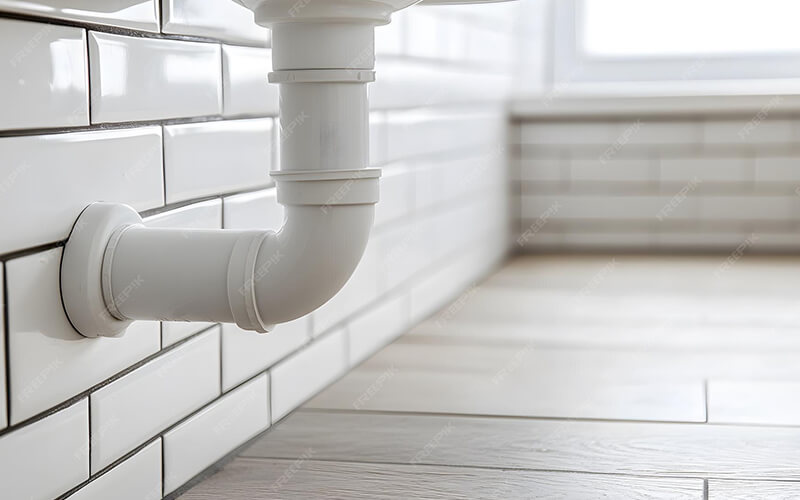
كيفية تقييم "جودة" مادة يو بي في سي
لا تُصنع جميع منتجات يو بي في سي وفقًا للمعايير نفسها. عند اختيار مورد، تجاوز المظهر الخارجي وابحث عن هذه المؤشرات الفنية:
اتساق سُمك الجدار: في مشاريع المباني الشاهقة، حتى انحراف بسيط في سُمك الجدار بمقدار 0.5 مم قد يُؤثر سلبًا على صلابة الأنبوب تحت وزن عدة طوابق. تأكد من أن الأنبوب يُطابق نسبة الأبعاد القياسية (SDR) المطلوبة من قِبل مهندسكم.
سلامة السطح: افحص التجويف الداخلي للعينة. يجب أن يكون ناعمًا كالزجاج عند اللمس. أي حبيبات أو نسيج مرئي يدل على رداءة جودة الراتنج، مما سيؤدي إلى تراكم الأغشية الحيوية وحدوث انسدادات مستقبلية.
التوريد العملي: قائمة التحقق "للنظام الكامل"
من أكثر الأخطاء شيوعًا في عمليات الشراء واسعة النطاق التركيز فقط على تكلفة المتر الطولي للأنابيب مع إهمال الوصلات. لضمان تركيب مانع للتسرب، اتبع قواعد الاختيار التالية:
مطابقة التفاوتات: احرص دائمًا على شراء الأنابيب والوصلات (الانحناءات، والوصلات الثلاثية، والمصائد) من نفس الشركة المصنعة. تعتمد عملية اللحام بالمذيبات عالية الدقة على "التداخل" - حيث ينصهر الأنبوب قليلاً داخل الوصلة. إذا كان هناك اختلاف في التفاوتات ولو بجزء بسيط من المليمتر، فسيكون المفصل ضعيفًا.
المكونات المتخصصة: هل يوفر المورد انحناءات خاصة لتقليل الاضطراب؟ أو مخفضات لا مركزية لمنع تكون جيوب هوائية؟ يعتمد نظام الصرف الصحي الاحترافي على هذه الأشكال الهندسية المتخصصة التي تعمل على تحسين التدفق الهيدروليكي.
الأداء الصوتي وتخفيف الضوضاء
مع تطور معايير المعيشة في المدن، أصبحت الراحة الصوتية مطلباً أساسياً. ويُعدّ صوت المياه المتدفقة شكوى متكررة من المستأجرين، ويمكن التخفيف منها في مرحلة الشراء.
خفض مستوى الضوضاء: عند اختيار الأنابيب للمشاريع السكنية أو الفندقية الفاخرة، ابحث عن أنابيب uPVC المقواة بالمعادن أو عالية الكثافة العازلة للصوت. صُممت هذه التركيبات المتخصصة لامتصاص الاهتزازات الهيكلية والضوضاء المحمولة جوًا، ما يفي بمتطلبات مستوى الضوضاء (ديسيبل) الصارمة دون الحاجة إلى عزل خارجي ضخم أو صعوبة تركيب أنابيب الحديد الزهر الثقيلة.
السلامة الهيكلية والحمل طويل الأمد
قدرة الأنبوب على الحفاظ على شكله تحت الضغط الخارجي أمر بالغ الأهمية، خاصة بالنسبة للتركيبات تحت الأرض أو الأنابيب المدمجة في الخرسانة. قوة التحمل وصلابة الحلقة: تأكد من أن أنبوب الصرف المختار يتمتع بصلابة الحلقة المناسبة.
يتميز البولي فينيل كلوريد غير الملدن عالي الجودة بمقاومته للتشوه تحت وطأة مواد الردم أو التغيرات الهيكلية للمبنى. تمنع هذه الصلابة تشكل "البطن" (الترهل)، مما يضمن ثبات الميل وبقاء النظام قادرًا على التنظيف الذاتي طوال عمره الافتراضي الذي يمتد لخمسين عامًا.
الامتثال الدولي والتحقق من المعايير
يجب أن يتوافق حل DWV ذو السمعة الطيبة مع المتطلبات الميكانيكية الصارمة لـ ASTM D1785 أو ASTM D2665، والتي تحدد سمك الجدار المحدد، وتحمل الضغط، ومقاومة الصدمات اللازمة للموثوقية الهيكلية.
إلى جانب الأبعاد الأساسية للمواد، تتطلب المشاريع عالية المستوى في كثير من الأحيان شهادات متخصصة في مجال السلامة والصحة. على سبيل المثال، تضمن شهادة NSF/ANSI 14 أن نظام الأنابيب يفي بمعايير الأداء والسمية الصارمة لمكونات الأنابيب البلاستيكية.
7. Specifying DWV Systems for High-Demand Commercial Scenarios
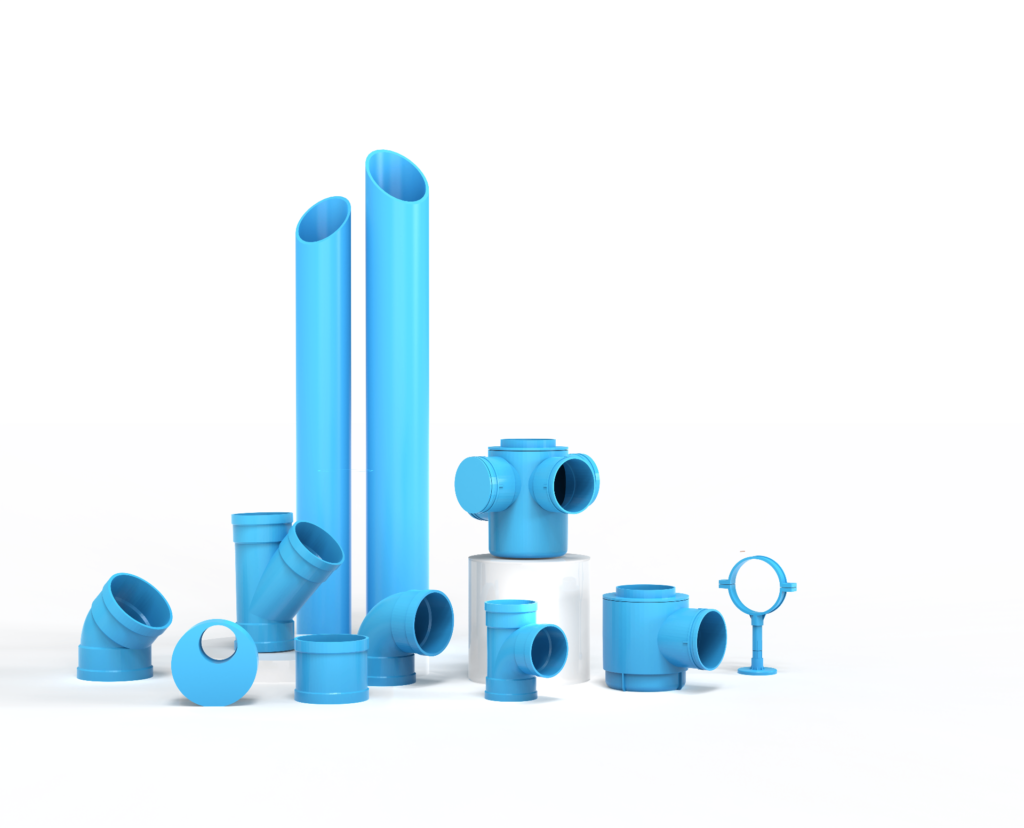
In critical infrastructure, DWV pipe selection goes far beyond basic temperature and flow metrics. It is about safeguarding human health.
7.1 Healthcare Facilities (Hospitals & Clinics) & Educational Institutions
In environments housing vulnerable populations, a plumbing failure is not an inconvenience; it is a severe biohazard.
- The Risk: Inadequate drainage capacity or failed pipe joints can lead to raw sewage back-ups, toxic sewer gas (H2S) permeation, and the spread of deadly pathogens.
- The Requirement: These systems demand massive Drainage Fixture Unit (DFU) capacities and must pass uncompromising initial hydrostatic pressure tests before wall-closure. Furthermore, hospitals frequently discharge harsh chemical disinfectants and autoclave waste.
- The Solution: High-density uPVC provides unparalleled chemical resistance against medical-grade solvents and maintains absolute joint integrity, ensuring a 100% leak-proof sanitary environment.
7.2 High-Rise Commercial Towers & Mixed-Use Developments
- The Risk: In vertical stacks spanning 30+ floors, falling wastewater generates violent pneumatic pressure shifts. Weak pipes can cause trap seals to blow out, allowing foul odors to flood luxury apartments.
- The Requirement: Robust wall thickness (Schedule 40 / SN10) and precision-engineered DWV sweep fittings are legally required to manage terminal velocity and maintain optimal venting airflow.
Working on a hospital, school, or high-rise tender? Don’t risk a biohazard or compliance failure. Request a Free Technical Consultation with Ctube’s MEP Piping Experts Today!
8. الخاتمة
في المشهد المعماري الحديث والتطوير الحضري واسع النطاق، يعمل نظام DWV (الصرف الصحي، والنفايات، والتهوية) كشبكة "تنفسية وهضمية" حيوية للمبنى.
كما استكشفنا في هذا الدليل، فإن الانتقال من المواد القديمة إلى مادة uPVC عالية الأداء ليس مجرد اتجاه، بل هو استجابة محسوبة للطلب على عمر أطول وكفاءة هيدروليكية وموثوقية تشغيلية أكبر.
من خلال تجاوز تحليل التكلفة لكل متر والتركيز على المقاييس الفنية العميقة - مثل نقاء الراتنج وصلابة الحلقة والامتثال الدولي - يمكن لأصحاب المصلحة في المشروع التخفيف بشكل فعال من مخاطر الفشل الهيكلي والانسدادات المزمنة والتحديثات المكلفة.
في سي تيوب, ندرك أن موثوقية المباني الشاهقة أو المجمعات التجارية تعتمد على سلامة مكوناتها الداخلية. ولذلك، نفخر بتقديم أحدث سلسلة أنابيب الصرف الصحي المصنوعة من مادة uPVC، وهي مجموعة منتجات مصممة بدقة متناهية لتلبية متطلبات المعايير العالمية الصارمة وتحديات التركيب في الواقع العملي.
تمثل سلسلتنا الجديدة تتويجاً لتكنولوجيا البثق المتقدمة واختيار الراتنج عالي النقاء، وهي مصممة خصيصاً لتوفير بيئة سلسة ومنخفضة الاحتكاك تضمن أداءً خالياً من الانسداد في ظل الظروف الأكثر تطلباً.
إلى جانب الأنابيب نفسها، نقدم نظامًا موحدًا من الوصلات المتطابقة لضمان ربط جزيئي مثالي أثناء اللحام بالمذيبات، مما يقضي على التسريبات الخفية وإجهاد الوصلات الذي غالبًا ما يرتبط بالمكونات غير المتطابقة. سواء كنت تُنشئ مشروعًا سكنيًا فاخرًا أو معلمًا صناعيًا بارزًا، فإن Ctube توفر التكامل النظامي اللازم لضمان استدامة استثمارك.
نتقدم بجزيل الشكر على الوقت الذي خصصتموه للاطلاع على هذا الدليل. نأمل أن يكون هذا الدليل مفيداً لكم، ونتمنى لكم التوفيق في مشاريعكم القادمة.
9. الأسئلة الشائعة
Can I use Cellular Core (Foam-Core) PVC for commercial DWV systems?
While foam-core PVC (ASTM F891) is lightweight and common in residential builds, most high-end commercial MEP specs strictly forbid it. Solid-core uPVC (ASTM D2665) is mandated for commercial buildings due to its superior acoustic dampening, structural ring stiffness, and higher resistance to impact and heavy equipment vibration.
What is the exact difference between Schedule 40 DWV and Schedule 40 Pressure PVC?
It comes down to hydraulic function. Pressure pipes (ASTM D1785) handle static pressure and utilize sharp 90-degree elbows. DWV pipes rely on gravity; therefore, DWV fittings use sweep curves (like sanitary tees and long-turn elbows) to guide solid waste without clogging. Never mix pressure fittings in a DWV system.
How do uPVC DWV pipes perform with commercial dishwasher high-temperature discharge?
Standard uPVC has a maximum continuous operating temperature of 140°F (60°C). For commercial kitchens discharging boiling water (180°F+), code requires the installation of a cooling interceptor or a transition to CPVC/Cast Iron for the immediate discharge zone before tying into the main uPVC DWV line.
Are uPVC DWV pipes resistant to sewer gases like Hydrogen Sulfide (H2S)?
Yes. Unlike cast iron, which is highly susceptible to corrosion and rust when exposed to sulfuric acid (formed by H2S gas in vent stacks), uPVC is completely inert to these gases. This ensures a multi-decade lifespan in main sanitary sewers without internal degradation.
What is the Maximum Drainage Fixture Unit (DFU) load for a 4-inch vertical uPVC stack?
According to the IPC (International Plumbing Code), a 4-inch vertical soil stack can typically handle up to 500 DFUs, provided the venting system is proportionally sized and installed correctly. Always refer to your local code sizing tables for exact compliance.
Do commercial uPVC DWV systems require firestops?
Absolutely. Whenever a uPVC DWV pipe penetrates a fire-rated wall or floor assembly, code dictates the use of an approved intumescent firestop collar or sealant that complies with ASTM E814 or UL 1479 to maintain the building's fire compartmentalization.
Can I use ABS DWV instead of uPVC in a commercial building?
Generally, no. ABS is predominantly a residential material. It has a lower structural rigidity compared to solid-core uPVC and is strictly prohibited in commercial buildings in many municipalities (especially in specific fire zones) due to its different combustion profile and toxic smoke emission.
كيف يمكن منع ترهل أنابيب البولي فينيل كلوريد غير الملدن (uPVC) في المسارات التجارية الأفقية الطويلة؟
Proper hanger spacing is critical. For horizontal uPVC DWV runs, plumbing codes typically require structural support (clevis hangers or strap hangers) every 4 feet (1.2 meters) to prevent "belly" formation and ensure a consistent 1% to 2% grade.
What type of solvent cement is required for commercial uPVC DWV?
Commercial applications require a heavy-duty, medium-to-heavy body PVC solvent cement that meets ASTM D2564 standards. A purple primer (ASTM F656) is also legally required by inspectors in most jurisdictions to chemically soften the pipe and verify that the joint was properly prepped.
ما هي الوثائق التي يحتاجها مديرو المشتريات لتقديم طلبات DWV؟
For commercial tenders, you must provide Technical Submittal Data Sheets detailing ASTM/AS-NZS compliance, dimensional tolerances, third-party lab testing certifications (like NSF or UL), and a comprehensive material safety data sheet (MSDS).


 English
  French
  Spanish
  German
  Arabic
  Indonesian
  Vietnamese