
For MEP (Mechanical, Electrical, and Plumbing) contractors and procurement managers, selecting the right electrical conduit is never just about routing wires. It is a calculated decision driven by NEC compliance, labor cost mitigation, and long-term liability.
Specify the wrong thin-wall tubing in a damp commercial environment, and you face catastrophic corrosion. Choose an inferior PVC conduit for a winter trenching project, and your crew will bleed labor hours dealing with shattered pipes and failed pulls.
This guide strips away the basic fluff. We are breaking down the 11 primary types of electrical conduits, complete with strict NEC codes, UL listings, and real-world installation data, so you can engineer your electrical systems for maximum durability and profitability.
1. What is an Electrical Conduit? (Engineering Definition)
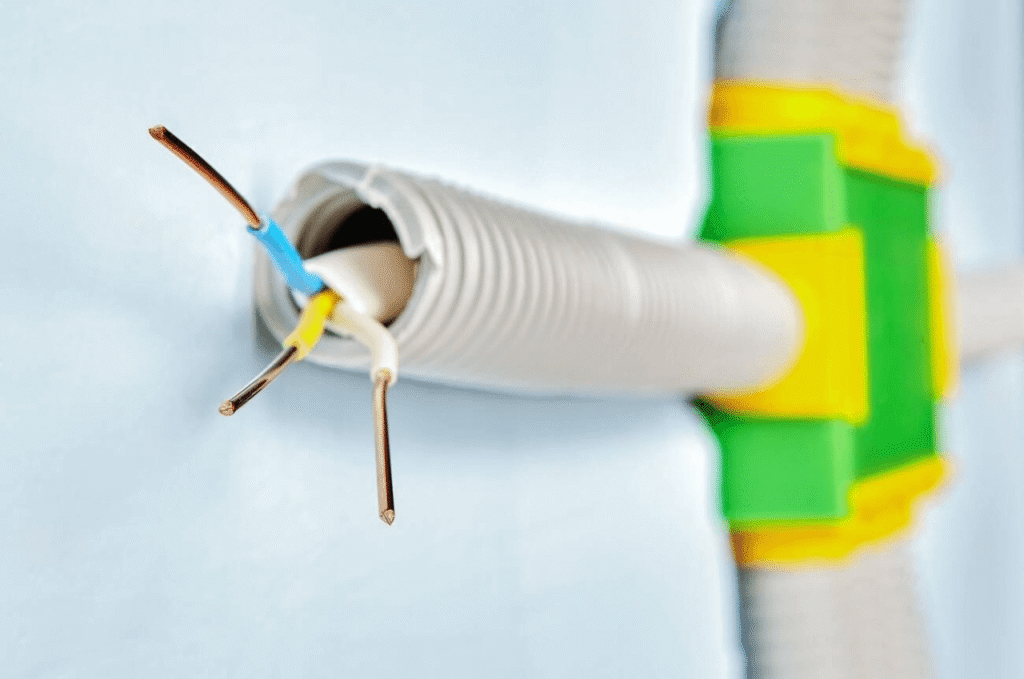
- Definition: An enclosed piping system used to route, protect, and isolate electrical wiring in building and infrastructure projects.
- Primary Functions: Prevents wire insulation damage, provides electromagnetic interference (EMI) shielding (metallic types), and ensures fire and moisture resistance.
- Governing Standards: NEC (National Electrical Code) Chapter 3, UL (Underwriters Laboratories), NEMA.
Electrical conduits act as the defensive armor for a building’s nervous system. Unlike simple cable jackets, conduit systems allow for the future removal and pulling of new conductors without tearing open walls or excavating concrete.
A conduit pipe is a type of protective tubing used to route and safeguard electrical wires through buildings, walls, ceilings, or underground in residential, commercial, and industrial settings. Its main job is to shield wires from physical damage, moisture, heat, and corrosion, while also keeping the wiring neat and organized.
In this article, we’ll explore the different types of conduit pipes, their materials, sizes, and accessories like conduit bends, elbows, bodies, and boxes. You’ll also learn how to choose the right conduit for different environments—whether it’s for a home project or a large industrial installation.
This guide is useful for anyone involved in electrical work—from professionals like electricians and builders to DIY homeowners and those new to the field—looking to understand and choose the right conduit materials and fittings.
2. Understanding Electrical Conduit Types
Understanding the different types of conduit pipe is the first step to choosing the right one for your project.
We can better understand them by organizing them into several classification systems.
2.1 Why Proper Conduit Specification Matters
For large-scale commercial and industrial builds, conduit selection directly impacts your bottom line:
- Labor Efficiency: Heavy steel requires threading equipment and heavy machinery; lightweight PVC or EMT can be installed exponentially faster.
- NEC Wire Fill Rates: Wall thickness (e.g., Schedule 40 vs. Schedule 80 PVC) alters the internal diameter, strictly dictating how many wires you can legally pull.
- Environmental Survivability: Direct burial, concrete encasement, UV exposure, and corrosive chemical environments demand specific material compositions.
2.2 Electrical Piping Material: Metal and Non-metallic Conduit
One of the most important factors when choosing a conduit pipe is the durability of the material.
In general, conduit pipes are made from either metallic or non-metallic materials, each offering unique benefits and levels of durability.
Metallic conduits are typically made from steel, aluminum, or stainless steel—each selected for specific performance needs.
Non-metallic conduits are typically made from plastic-based materials, with PVC (Polyvinyl Chloride) being the most widely used. Other materials include HDPE (High-Density Polyethylene), RTRC (Reinforced Thermosetting Resin Conduit) – Also known as fiberglass conduit.
And a special material like low smoke zero halogen also made as electrical conduit for safety during emergencies.
2.3 Conduit Pipe Types by Flexibility: Rigid vs. Flexible Conduit
In electrical installations, not every conduit run is straight or predictable. That’s where the flexibility of conduit pipes plays a crucial role. Some systems need rigid protection, while others require bendable solutions to navigate corners, machinery, or tight spaces.
Conduits can be broadly categorized as rigid or flexible, depending on how much movement or bending they allow during installation.
For rigid conduits, conduit elbows or conduit bends are used to create changes in direction. These are pre-formed or field-bent sections designed to turn conduit runs around obstacles. They’re available in various angles such as 45°, 90°, or custom degrees.
In many installations of flexible conduits, conduit bodies or junction boxes are paired with flexible conduit to allow access points for pulling, splicing, or inspecting wiring systems. These components add convenience without compromising system integrity.
2.4 Conduit Pipes by Indoor, Outdoor or Underground Conduit
When choosing the appropriate conduit pipe, understanding the installation environment is crucial. Different environments pose unique challenges that affect the conduit’s performance, durability, and safety.
Indoor conduit is shielded from extreme weather, moisture, and harsh chemicals. However, factors like physical impact, temperature fluctuations, and dust can still influence the conduit’s performance.
Common indoor installation areas include homes, office buildings, and industrial spaces where electrical wiring needs to be neatly routed through walls, ceilings, and floors.
Outdoor conduits to much more severe conditions such as Temperature extremes, UV radiation from sunlight, moisture from rain or humidity, and physical wear from the environment.
Outdoor electrical wiring in these settings need to be durable and resistant to corrosion, UV degradation, and impact. Moreover, the conduit must be able to withstand outdoor hazards such as falling debris or animals.
Underground conduit pipe challenged by high moisture content, soil pressure, and the risk of corrosion.
Run underground Conduits installed underground must be able to resist the harsh conditions of being buried, including moisture infiltration, accidental impacts and potential chemical exposure.
Additionally, underground duck bank must be installed according to NEC code underground conduit requirements.
Hazardous environments include areas where explosive gases, flammable materials, or toxic substances may be present. These environments require conduits that not only resist environmental stresses but also protect against electrical faults that could ignite sparks or cause dangerous explosions.
3. The 4 Main Categories of Electrical Conduit
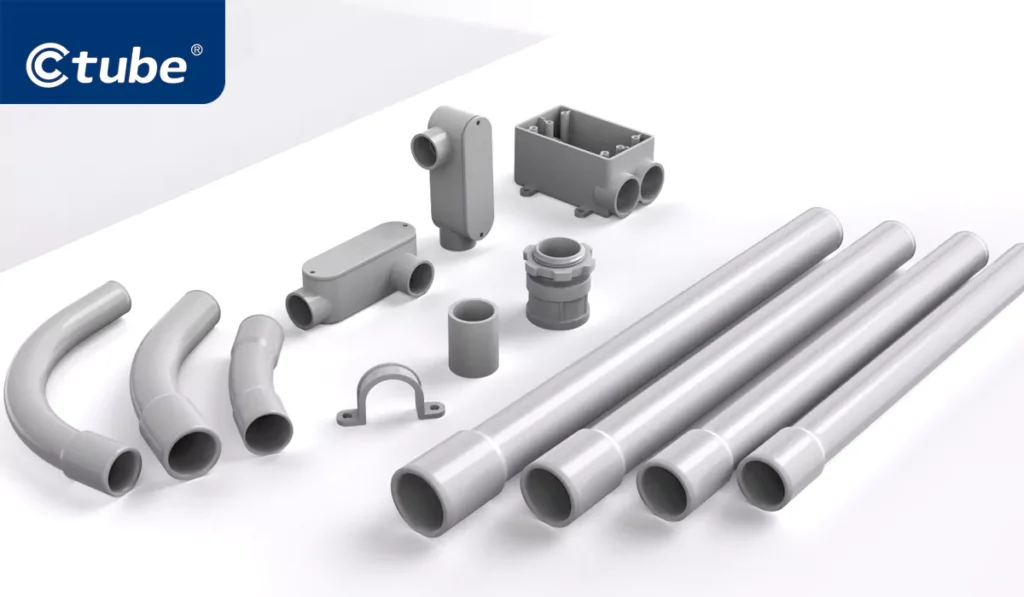
Before diving into the 11 specific materials, it’s essential to understand that all electrical conduits fall into 4 main categories. If you are a procurement manager short on time, this high-level grouping dictates how modern electrical systems are engineered:
| Conduit Category | Core Purpose | Representative Types |
|---|---|---|
| 1. Rigid Metal Conduits | Maximum physical impact defense and hazardous (explosive) environments. | RMC, IMC, Aluminum |
| 2. Thin-Wall Metal Conduits | Fast, lightweight indoor commercial installation (not for direct burial). | Rettungssanitäter |
| 3. Non-Metallic Conduits | 100% rust-proof solutions for underground, concrete encasement, and wet areas. | Rigid PVC, RTRC, HDPE, LSZH |
| 4. Flexible Conduits | Bypassing rigid obstacles and connecting heavily vibrating motors/HVAC units. | FMC, LFNC, ENT |
3.1 Rigid Metal Conduits (Heavy-Duty Protection)
These are the “heavyweights” of the electrical world. Typically made of galvanized steel or aluminum, these pipes provide the maximum level of physical protection against impact, fire, and structural loads.
-
Key Members: RMC (Rigid Metal Conduit) and IMC (Intermediate Metal Conduit).
-
Best For: Industrial plants, service entrance headers, and areas prone to severe mechanical damage.
3.2 Electrical Metallic Tubing (Versatile & Lightweight)
Often referred to as “thin-wall” conduit, this category is the most common choice for commercial and residential interior wiring. It is easy to bend and install without the need for threading.
-
Key Member: EMT (Electrical Metallic Tubing).
-
Best For: Interior dry walls, exposed ceilings in offices, and commercial interior fit-outs.
3.3 Non-Metallic Conduits (Corrosion-Resistant & Cost-Effective)
Made from high-quality polymers like PVC or HDPE, non-metallic conduits are immune to rust and chemical corrosion. They are the industry standard for wet and underground environments.
-
Key Members: Rigid PVC (Schedule 40 & 80), ENT (Smurf Tube), and RTRC (Fiberglass).
-
Best For: Underground direct burial, wet locations, and chemically corrosive environments like wastewater treatment plants.
3.4 Flexible Conduits (Dynamic & Tight Spaces)
When a conduit run needs to navigate constant vibration, tight corners, or connect to moving machinery (like HVAC units or motors), flexible conduits are essential. They can be metallic or non-metallic.
-
Key Members: FMC (Flexible Metal Conduit), LFMC (Liquid-tight), and LFNC.
-
Best For: Motor connections, lighting whips, and retrofitting in existing walls where rigid pipes cannot fit.
4. Detailed Overview of Common Types of Conduit Pipe
While these four categories define the general landscape, selecting the exact pipe requires a deeper look into specific ratings, such as UV resistance, wall thickness, and halogen content. Below, we provide a detailed overview of the 11 most common types of conduit pipe used by modern electrical engineers and contractors.
While metallic conduits offer supreme physical protection against crushing and impacts, they are heavier, highly labor-intensive, and prone to galvanic corrosion in wet or underground environments. Below is a rapid comparison for MEP specifications.
📊 Quick Overview: Rigid & Semi-Rigid Metallic Conduits
| Leitungstyp | Best For (Ideal Applications) | The Big Weakness (Cons) | 🛠️ Manufacturer Rating |
|---|---|---|---|
| EMT (Elektrische Metallrohre) | Indoor commercial walls, exposed dry locations. | Severe corrosion risk; prohibited in direct burial. | ⭐⭐⭐ (Fast indoor installation) |
| RMC (Starres Metallrohr) | Industrial plants, explosion-proof zones. | Extremely heavy; requires high labor for onsite threading. | ⭐⭐⭐⭐ (Maximum impact defense) |
| IMC (Zwischenmetallrohr) | Similar to RMC, but slightly lighter. | Still prone to rust in highly corrosive environments. | ⭐⭐⭐ (Good RMC alternative) |
| Aluminiumrohr | Food processing plants, wastewater facilities. | Cannot be directly embedded in concrete without severe galvanic corrosion. | ⭐⭐⭐ (Corrosion-resistant metal) |
📌 Engineer’s Note: When installing metallic conduits in soil, galvanic corrosion is a severe threat. For direct burial and long-term underground resilience, the industry standard shifts heavily toward non-metallic solutions like Rigid PVC.
4.1 EMT (Electrical Metallic Tubing)
🔧 Technical Specifications (At a Glance):
- Material: Unthreaded galvanized steel (rarely aluminum)
- Governing Codes: NEC Article 358, UL 797
- Wall Type: Thin-wall (Lightweight)
- Joining Method: Set-screw or compression fittings
What it is: EMT is the most common commercial indoor conduit. Because it is unthreaded, it relies on external fittings. It is highly favored for its ease of bending and lightweight nature, but its thin galvanized layer makes it unsuitable for harsh, wet outdoor environments.
EMT pipe, also known as “thin-wall” conduit, is made from galvanized steel and sometimes aluminum. Since EMT doesn’t have threads, it relies ona compression or set-screw EMT fittings like couplings and connectors to join sections or attach to boxes.
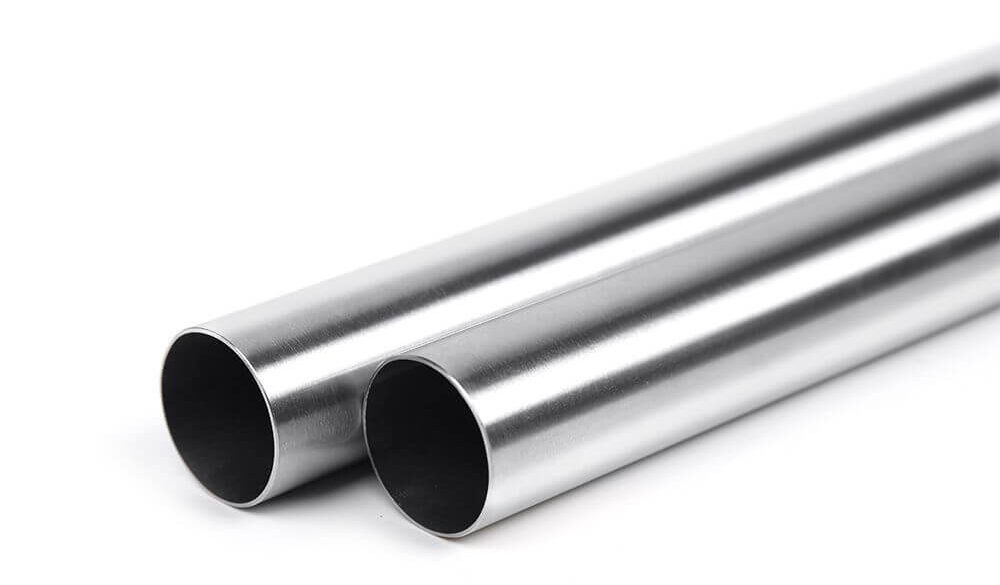
For projects with tight budgets, EMT pipe price is generally lower than rigid conduit types.
EMT conduit is known for being lightweight and easy to cut or bend. Lower EMT conduit weight, making it easier to install, also save cost in labor and transport.
4.2 RMC (Rigid Metal Conduit)
🔧 Technical Specifications (At a Glance):
- Material: Heavy-duty galvanized steel
- Governing Codes: NEC Article 344, UL 6
- Wall Type: Thick-wall (Heavyweight)
- Joining Method: Threaded couplings
What it is: RMC provides the highest level of physical protection among metal conduits. It features thick walls that must be threaded onsite. It is mandatory in hazardous locations (e.g., gas stations, chemical plants) where extreme impact resistance is non-negotiable.
Rigid Metal Conduit, also known as RSC (Rigid Steel Conduit) and RGC (Rigid Galvanized Conduit), is one of the strongest types of conduit pipes.
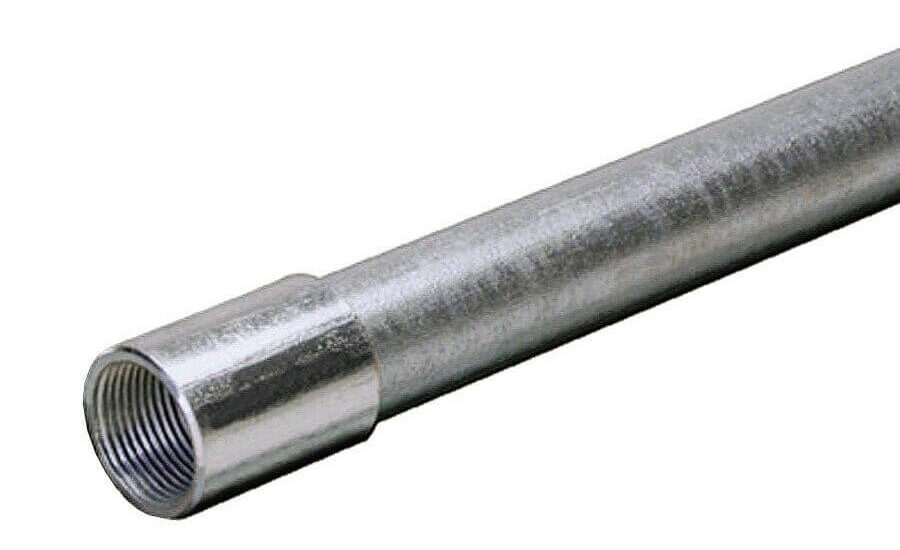
RMC has thick walls and comes in larger conduit sizes, which makes it very durable and ideal for heavy-duty projects. It’s often threaded at the ends and higher conduit pricing, which different with EMT.
It’s usually made of galvanized steel or stainless steel and is designed to protect wiring in tough environments like outdoor or underground installations. Rigid Aluminum Conduit (RAC) is one of the types of rigid metal conduit.
4.3 IMC (Intermediate Metal Conduit)
🔧 Technical Specifications (At a Glance):
- Material: Galvanized steel alloy
- Governing Codes: NEC Article 342, UL 1242
- Wall Type: Medium-wall
What it is: Developed as a lighter alternative to RMC, IMC weighs about a third less but still uses threaded fittings. It offers an excellent balance between structural integrity and labor savings for heavy commercial use.
Intermediate Metal Conduit, or IMC, is a bit lighter than RMC but still strong enough for many commercial and industrial jobs. It’s made of steel with a protective coating, making it suitable for outdoor or damp environments. It’s a good option if you want a balance between strength and weight.
4.4 FMC (Flexible Metal Conduit)
🔧 Technical Specifications (At a Glance):
- Material: Helically coiled aluminum or steel
- Governing Codes: NEC Article 348
- Also Known As: “Greenfield”
- Joining Method: Clamp-type or screw-in fittings
What it is: FMC provides the physical protection of metal while allowing flexibility around obstacles. It is heavily used in commercial ceilings to connect light fixtures or indoor motors. However, because its spiral armor is unsealed, it cannot be used outdoors or in wet locations.
📊 Quick Overview: Flexible Conduits
| Leitungstyp | Best For (Ideal Applications) | The Big Weakness (Cons) | 🛠️ Manufacturer Rating |
|---|---|---|---|
| FMC (Greenfield) | Dry, indoor vibrating equipment, light fixtures. | Not liquidtight; zero defense against water or oil. | ⭐⭐⭐ (Indoor only) |
| LFMC (Liquidtight Metal) | Industrial heavy motors, outdoor HVAC requiring high crush resistance. | Heavier and more expensive to cut than non-metallic flex. | ⭐⭐⭐⭐ (Maximum flex defense) |
| LFNC (Liquidtight Non-Metallic) | Outdoor HVAC units, pool pumps, corrosive environments. | Vulnerable to physical crushing if left unsecured. | ⭐⭐⭐⭐ (Best for wet vibration) |
| ENT (Smurf Tube) | In-wall residential framing, dry concrete slabs. | Not UV resistant; prohibited for exposed outdoor use. | ⭐⭐⭐ (Fastest indoor flex) |
Flexible Metal Conduit, or FMC, is made of a spiral metal strip that allows it to bend easily. It’s perfect for tight or curved spaces where rigid conduit won’t work.
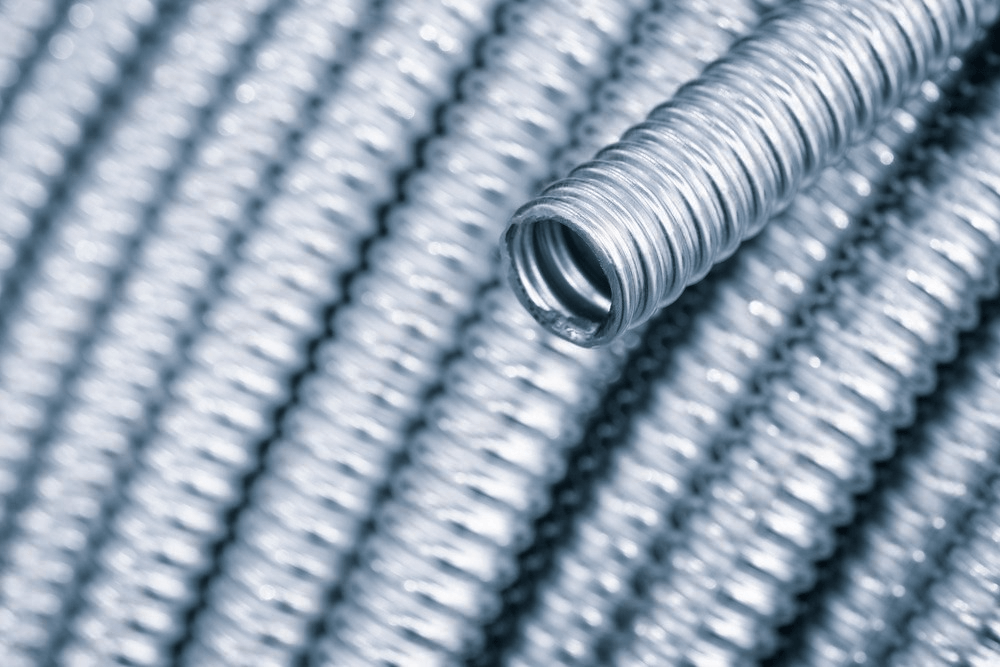
FMC is often used to connect electrical equipment like lights, motors, or HVAC units, especially when there’s movement or vibration.
However, it doesn’t provide the same level of protection as rigid types, so it’s best for dry, indoor use.
4.5 LFMC (Liquidtight Flexible Metal Conduit)
🔧 Technical Specifications (At a Glance):
- Material: Helically wound flexible metal core (steel/aluminum) with an outer liquidtight PVC jacket.
- Governing Codes: NEC Article 350, UL 360
- Commonly Known As: “Sealtite” (Industry trade name)
- Key Property: 100% waterproof, absorbs extreme vibration, excellent physical crush resistance.
- Joining Method: Specialized threaded liquidtight fittings with sealing rings.
What it is: LFMC bridges the gap between raw metal flexibility and total weatherproofing. It features a heavy-duty spiral metal core for crush protection, heavily coated in an extruded waterproof PVC jacket. When an industrial MEP engineer needs to connect a massive, vibrating rooftop chiller or a manufacturing transformer where physical impacts are a real threat, LFMC is the mandated spec over its non-metallic cousin (LFNC).
LFMC is similar to FMC but has a waterproof plastic coating over the metal.
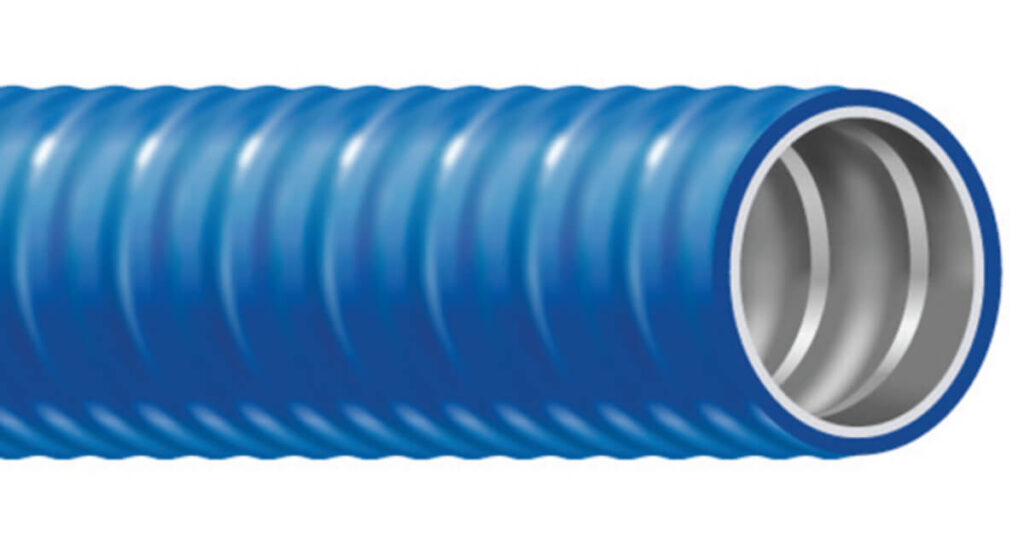
This makes it a great choice for wet or oily areas, like outdoor units or machinery in factories. It can bend easily like FMC but offers extra protection from moisture and corrosion.
4.6 ENT (Electrical Nonmetallic Tubing)
🔧 Technical Specifications (At a Glance):
- Material: Corrugated PVC (Thin-wall)
- Governing Codes: NEC Article 362
- Also Known As: “Smurf Tube” (due to its typical blue color)
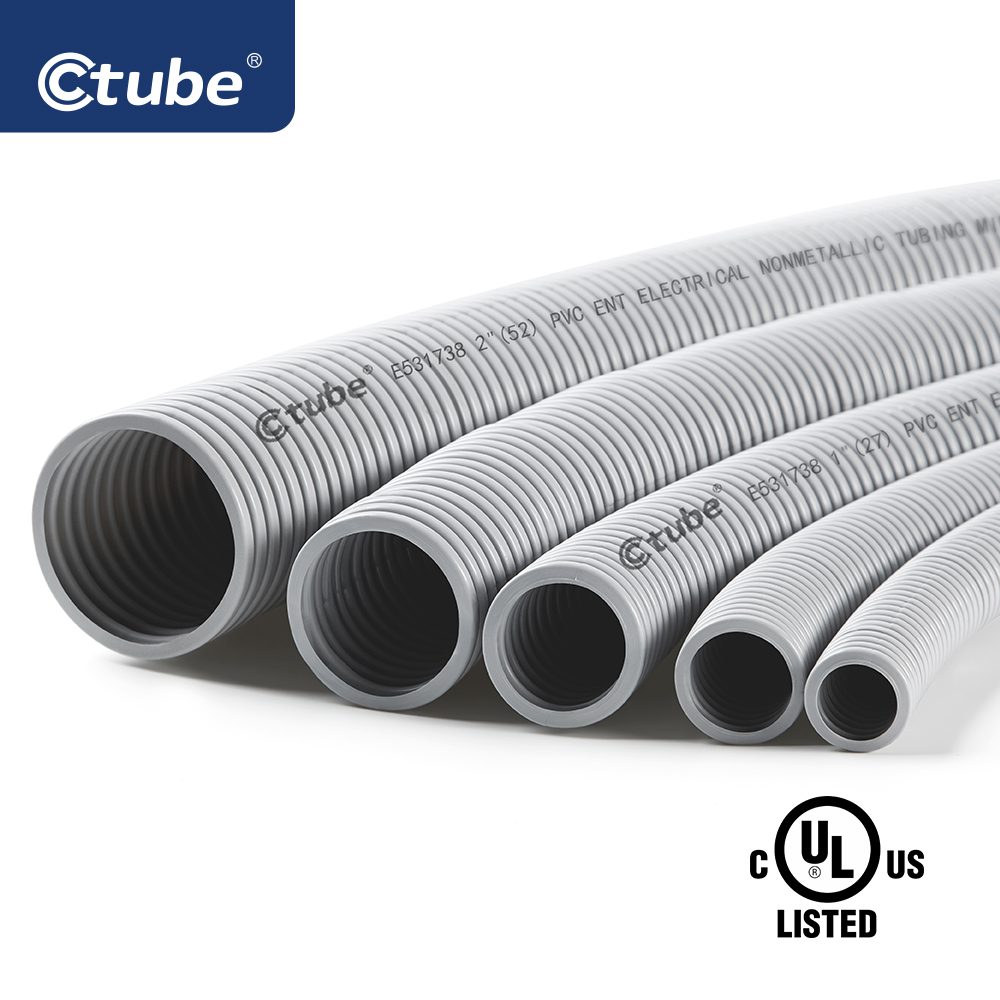
What it is: ENT is a highly pliable corrugated plastic tube used primarily in residential walls and concrete slabs (where permitted). It can be bent by hand and clipped into fittings instantly. However, it offers very little crush resistance and degrades quickly if exposed to direct sunlight (UV).
ENT is a type of flexible plastic conduit, made for indoor use in walls, ceilings, or concrete.
Unlike rigid conduit types, ENT has a smooth, round shape with a corrugated exterior that allows for increased flexibility, making it ideal for installations in tight or hard-to-reach spaces.
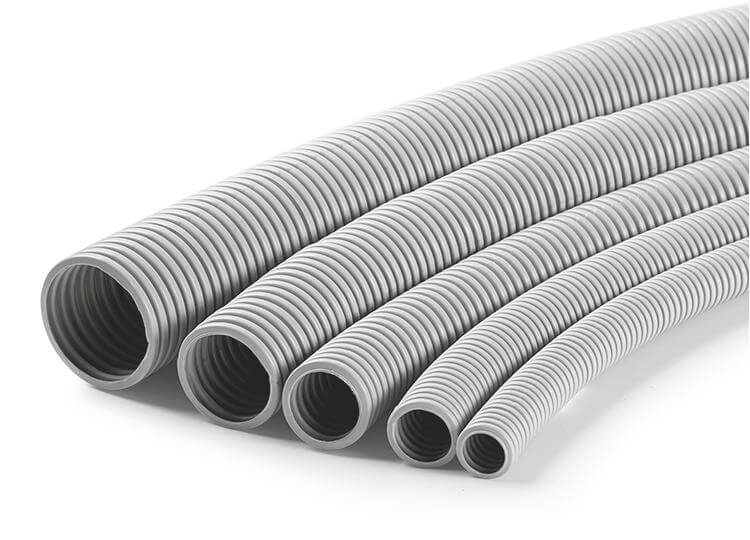
The smooth interior of ENT ensures a clean path for wiring, reducing the risk of abrasion and ensuring long-term performance.
ENT is typically made from PVC, offering good protection against moisture and corrosion. Its lightweight and flexible design, combined with a relatively low cost, makes ENT a popular choice for many electrical installations where flexibility and ease of use are important.
4.7 LFNC (Liquidtight Flexible Nonmetallic Conduit)
🔧 Technical Specifications (At a Glance):
- Material: Flexible PVC core with or without rigid PVC reinforcement
- Governing Codes: NEC Article 356
- Key Property: 100% waterproof, absorbs extreme vibration.
What it is: LFNC is the go-to flex pipe for outdoor and wet environments. You will almost always see it connecting the final few feet between a rigid conduit system and an outdoor HVAC condenser, pool pump, or industrial machine that creates heavy vibrations.
LFNC is a type of flexible plastic conduit that’s designed to be both watertight and bendable, making it ideal for situations where moisture protection and routing flexibility are important. It’s often used in outdoor, wet, or damp locations, like near HVAC units, pumps, or outdoor lighting systems.
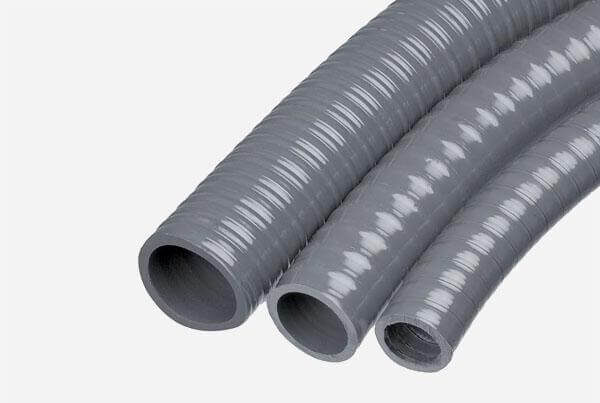
LFNC is made from nonmetallic materials—usually a PVC outer jacket over a flexible plastic core. It resists sunlight, water, oils, and chemicals, and can handle movement or vibration better than rigid options. It connects easily using special liquid-tight fittings.
It’s available in different types (such as LFNC-A, LFNC-B) with varying construction and flexibility levels, but all are meant to keep moisture out while allowing easy installation in tight spaces.
4.8 PVC Conduit (Polyvinyl Chloride)
🔧 Technical Specifications (At a Glance):
- Material Composition: Heavy-duty Polyvinyl Chloride (Non-metallic)
- Governing Codes: NEC Article 352, UL 651, NEMA TC 2
- Conductor Temp Rating: Up to 90°C (194°F)
- Key Properties: 100% Corrosion-resistant, Non-conductive, High crush resistance (Sch 80).
- Joining Method: Solvent Cement Welding
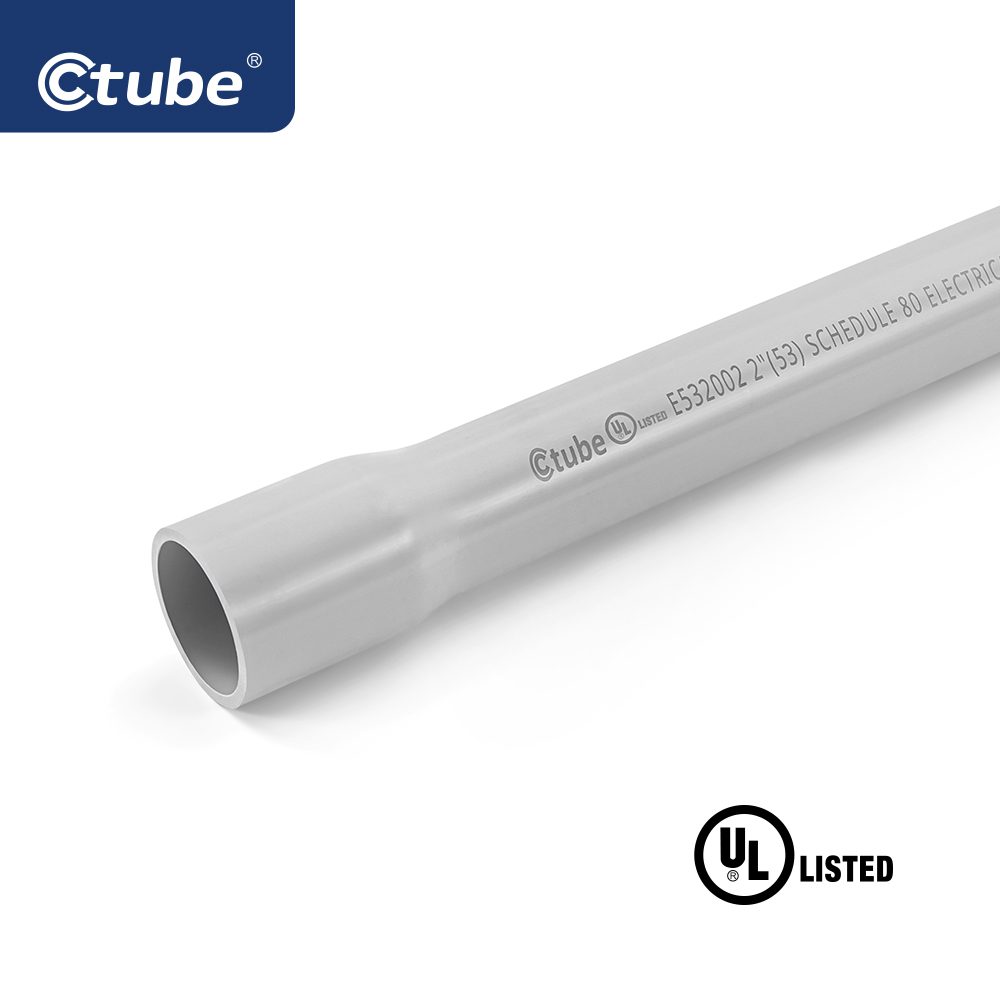
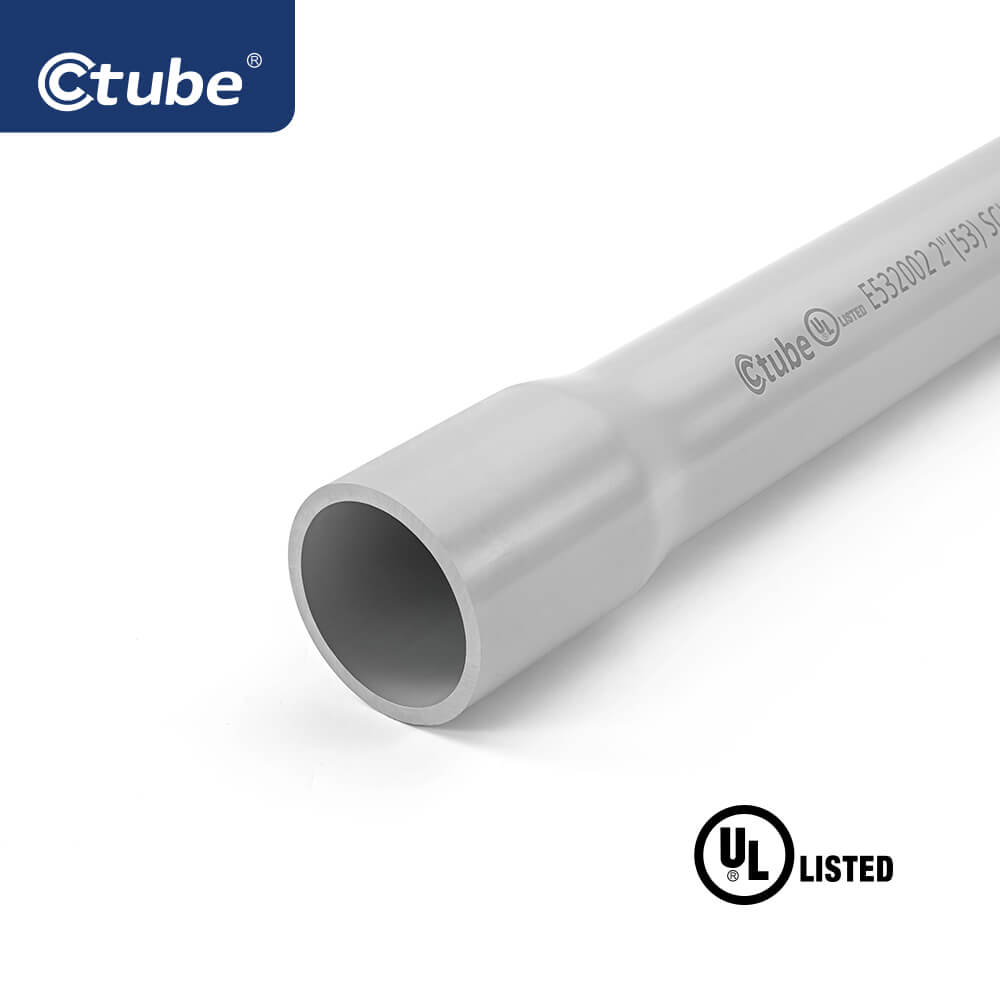
What it is: Rigid PVC is the most widely specified conduit for modern underground infrastructure.
- Schedule 40 PVC is the standard for direct burial and concrete encasement.
- PVC-Rohre nach Schedule 80 features a much thicker wall, mandated by the NEC for areas subject to physical damage, such as utility pole risers or beneath heavy vehicular traffic.
💡 Pro Tip for Procurement: Struggling with inconsistent PVC wall thickness or brittle pipes during winter trenching? Discover why top North American MEP Contractors rely on Ctube’s UL 651 Listed Schedule 40 & 80 PVC Conduits for flawless, shatter-resistant installations.
Non-metallic conduits, spearheaded by Rigid PVC, have revolutionized the electrical industry. Completely immune to rust, rot, and galvanic corrosion, they are the undisputed kings of direct burial, concrete encasement, and wet-location routing.
📊 Quick Overview: Non-Metallic Electrical Conduits
| Leitungstyp | Best For (Ideal Applications) | The Big Weakness (Cons) | 🛠️ Manufacturer Rating |
|---|---|---|---|
| Schedule 40 PVC | Underground direct burial, concrete encasement, residential feeds. | Standard variants can become brittle in extreme cold. | ⭐⭐⭐⭐ (Best value for underground) |
| PVC-Rohre nach Schedule 80 | High-traffic areas, pole risers, driveways. | Thicker walls mean smaller internal diameter (ID), reducing wire fill. | ⭐⭐⭐⭐⭐ (Maximum non-metallic crush resistance) |
| RTRC (Fiberglass) | Highly corrosive chemical plants, coastal infrastructure. | Requires specialized training for epoxy joint assembly; expensive. | ⭐⭐⭐ (Niche premium spec) |
| HDPE Conduit | Horizontal directional drilling (HDD), telecom lines. | Comes in continuous reels, inherently difficult to keep perfectly straight. | ⭐⭐⭐⭐ (Best for trenchless) |
📌 Engineer’s Note: When specifying non-metallic conduits, always account for thermal expansion. Unlike steel, PVC has a high coefficient of thermal expansion. For long straight runs subjected to temperature swings, NEC Article 352.44 dictates the mandatory use of expansion fittings to prevent the conduit from snapping.
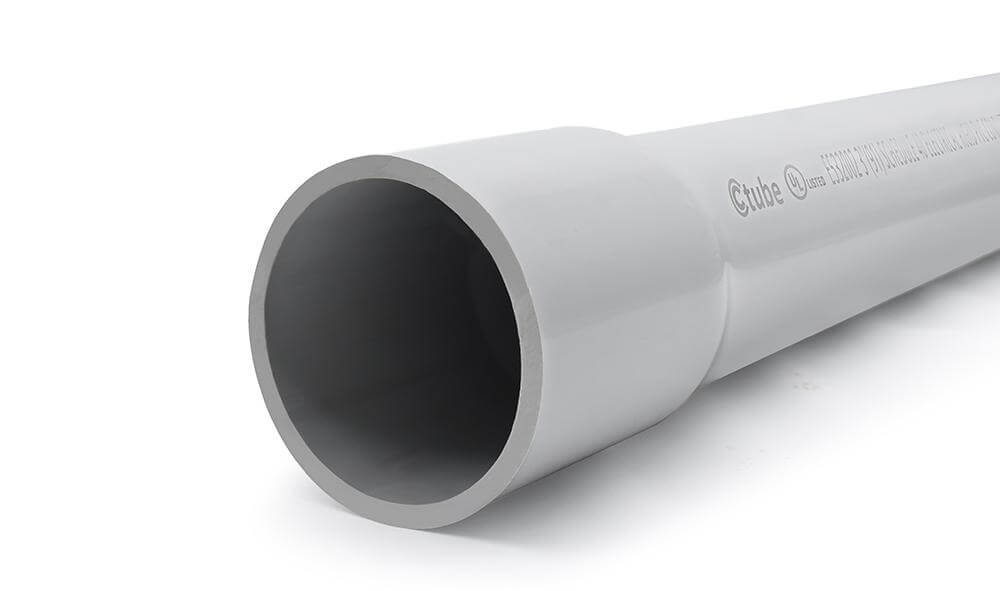
Both the inner and outer surfaces are smooth, which helps with easier wire pulling and reduces friction during installation.
Unlike galvanized steel conduit pipe such as RMC, PVC has no threads and is joined using solvent cement. This is the in
For direction changes, users can either install a factory-made conduit elbow or some can be gently heat-bend the pipe on site.
Technical Tip: “When specifying Starres PVC-Rohr, pay close attention to the Schedule rating. Schedule 40 is standard for most applications, but PVC-Rohre nach Schedule 80 features a thicker wall, making it necessary for areas subject to physical damage, such as driveways or exposed exterior walls. At Ctube, our PVC conduits are engineered to meet UL651 standards, ensuring they remain brittle-free even in extreme temperature fluctuations.”
4.9 RTRC (Reinforced Thermosetting Resin Conduit)
🔧 Technical Specifications (At a Glance):
- Material: Fiberglass-reinforced epoxy
- Governing Codes: NEC Article 355, UL 1684
- Key Property: Zero toxic halogens released when burned.
What it is: RTRC, commonly known as fiberglass conduit, is incredibly lightweight and highly resistant to extreme corrosive agents (like wastewater treatment chemicals). It has a very low coefficient of thermal friction, making wire pulls extremely smooth, though the material costs are high.
Also known as fiberglass conduit, RTRC conduit is lightweight, non-metallic, and highly resistant to chemicals, fire, and moisture. It’s perfect for specialized applications like chemical plants, marine environments, or areas with extreme temperatures.
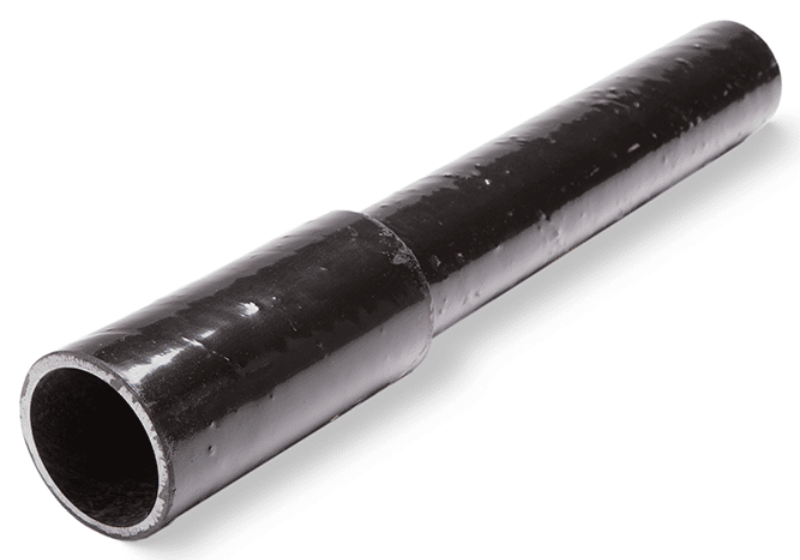
Fiberglass electrical conduit doesn’t corrode, has excellent electrical insulation, and can be used in both above-ground and buried installations. Although it’s less common than PVC or metal types, it offers long-term performance in harsh environments.
4.10 HDPE Conduit (High-Density Polyethylene)
🔧 Technical Specifications (At a Glance):
- Material: Flexible Polyethylene
- Governing Codes: NEC Article 353
- Installation Method: Continuous trenching or Directional Boring.
What it is: Supplied in large continuous reels rather than rigid 10-foot sticks, HDPE is the go-to choice for horizontal directional drilling (HDD). It is predominantly used by utility and telecommunication companies to run fiber optics and power lines under roads without trenching.
HDPE conduit is a flexible plastic conduit made from high-density polyethylene, known for its toughness, flexibility, and resistance to chemicals and moisture. It’s widely used for long-distance underground cable runs, especially in telecommunication, fiber optics, and power distribution.
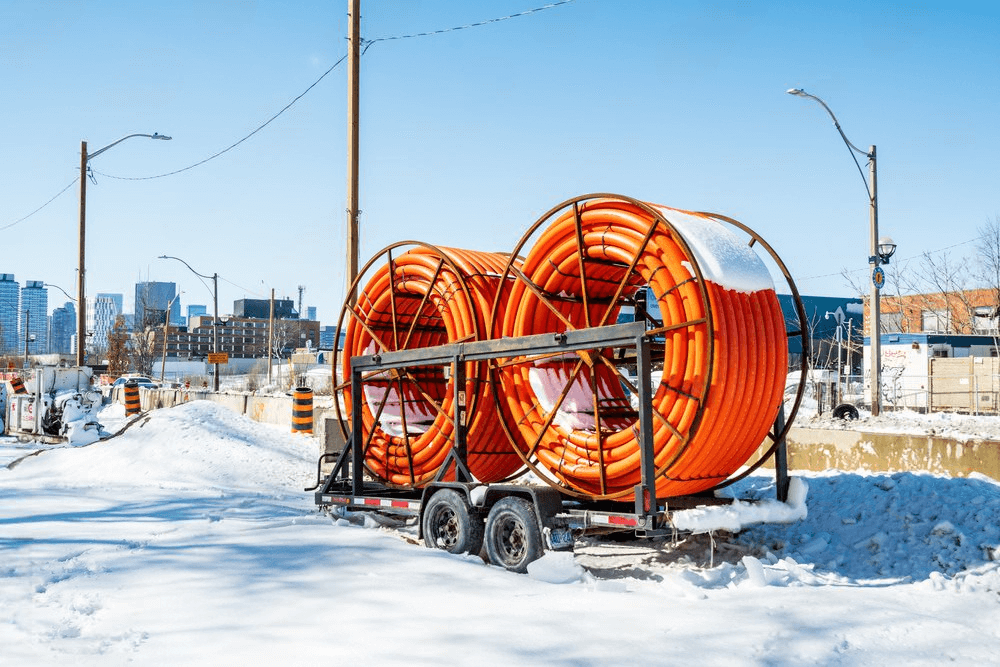
One key feature is its ability to be installed in continuous lengths, even through horizontal directional drilling (HDD), which makes it ideal for challenging terrains and trenchless installations.
Unlike rigid conduit pipes like RMC or PVC, HDPE conduit is usually coiled on reels and doesn’t require many joints or fittings—this reduces labor and installation time.
4.11 LSZH (Low Smoke Zero Halogen) Conduit
🔧 Technical Specifications (At a Glance):
- Material: Specialized Polyolefin-based compounds (Free of Chlorine/Halogens)
- Governing Codes: IEC 61386, UL 2883 (depending on region)
- Key Property: Emits virtually no smoke and zero toxic acidic gases during a fire.
- Best Application: Subways, tunnels, data centers, and poorly ventilated public spaces.
What it is: While Rigid PVC is phenomenal for underground use, it releases toxic chlorine gas and thick black smoke when it catches fire. LSZH-Leitung is engineered specifically to solve this. When subjected to extreme heat or flames, LSZH material barely smokes and produces zero toxic halogens, ensuring evacuation routes remain visible and safe. In modern mass transit and critical data center projects, MEP engineers are strictly specifying LSZH over traditional plastics.
LSZH conduit is made from special plastic that doesn’t release toxic smoke or halogen gases when it burns.
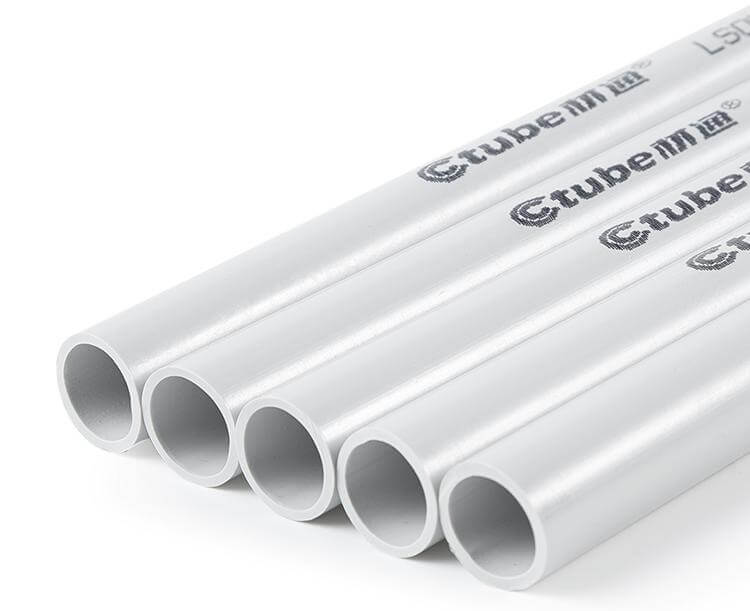
This makes it ideal for enclosed spaces like subways, tunnels, or data centers where fire safety is critical. It may not be as strong as metal conduit, but it’s a good choice when human safety and air quality are major concerns.
5. Conduit Accessories and Fittings: Supporting Conduit Connector Systems
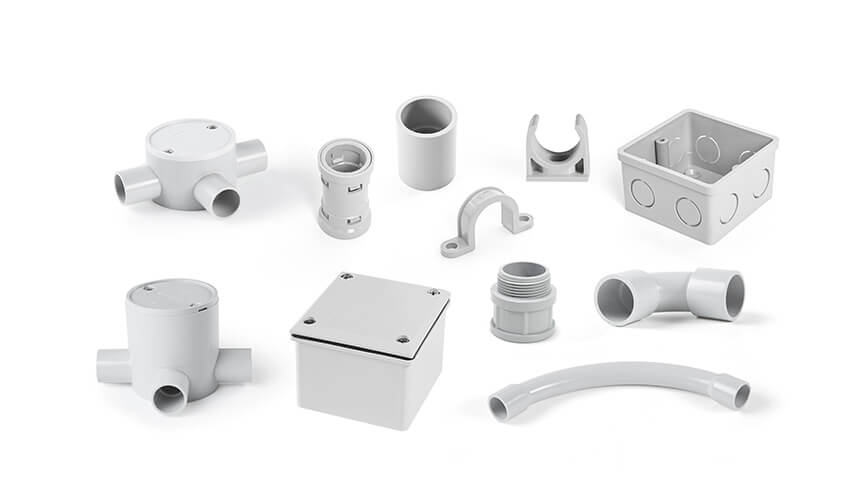
A conduit system is only as strong as its weakest joint. Improperly specified fittings lead to water ingress, pulled-out wires, and catastrophic thermal snapping. For MEP contractors, selecting the correct accessories is a critical step in ensuring total NEC compliance and system longevity.
📊 Quick Overview: Essential Conduit Fittings & Accessories
| Accessory Type | Primary Function | ⚠️ Installation Danger Zone (Pain Point) | 🛠️ Manufacturer Rating |
|---|---|---|---|
| Couplings | Joining two straight lengths of conduit. | Using thin-wall set-screw couplings in wet areas leads to rapid internal wire rot. | ⭐⭐⭐⭐ (Crucial for straight runs) |
| Connectors (Adapters) | Terminating conduit runs into electrical boxes/enclosures. | Over-tightening metallic locknuts on plastic boxes causes shattering. | ⭐⭐⭐⭐ (Mandatory for box entry) |
| Sweeps & Elbows | Navigating 45° or 90° corners smoothly. | Field-bending Sch 80 PVC without proper heat blankets causes kinking and failed wire pulls. | ⭐⭐⭐⭐⭐ (Factory sweeps save huge labor) |
| Expansion Fittings | Absorbing thermal expansion/contraction. | Omitting these on long outdoor PVC runs guarantees the pipe will snap during winter/summer shifts. | ⭐⭐⭐⭐⭐ (Lifesaver for rigid PVC) |
| Conduit Bodies (LBs, LLs, LRs) | Providing pull points and splice access in tight spaces. | Exceeding the NEC cubic-inch wire fill capacity inside the LB body. | ⭐⭐⭐⭐ (Essential for complex routing) |
Some of the most common conduit fittings include elbows, couplings, connectors, and junction boxes (J boxes). These allow for changes in direction, transitions between conduit types, and easy access for maintenance or wiring updates.
For best performance and durability, we always recommend using accessories made from the same material as the conduit. For example, EMT conduit should be paired with EMT elbows and compression fittings, while PVC rigid conduit works best with PVC elbows.
5.1 Conduit Elbows and Sweep Bends
While electricians often use heat boxes to bend PVC on-site, field-bending heavy-wall Schedule 80 PVC is notoriously labor-intensive and prone to “flattening” (which shrinks the internal diameter and ruins the wire pull). Factory-formed sweeps (90-degree and 45-degree) guarantee a perfectly uniform radius, completely eliminating wire abrasion.
Conduit elbows are key fittings used to change the direction of a conduit run, typically at sharp angles like 45° or 90°. They are available in materials such as EMT, PVC, or galvanized steel, and are matched to the conduit type to ensure a secure fit and proper function.
In addition to standard elbows, another option is the sweep bend—a long-radius bend designed to create a smoother and more gradual curve.
Sweep bends are especially useful in underground conduit systems or long conduit runs, as they significantly reduce the friction encountered when pulling wires through the conduit. They help protect cables from damage and make installation faster and easier.
5.2 Conduit Couplings
Couplings are straight connectors that join two sections of conduit together. Whether you need a threaded galvanized steel coupling for RMC or a glue-on PVC coupling, these parts are key to creating continuous conduit paths. Some EMT couplings come in set-screw or compression types, ideal for indoor commercial use where tight.
5.3 Connectors or Male Aadapter
Conduit connectors are used to join conduit to junction boxes, panels, or enclosures. For example, EMT connectors or metal rigid pipe connector often include locknuts and bushings to protect wire edges and ensure grounding. PVC connectors are threaded, combine with solvent-welded.
5.4 Conduit Straps and Clamps
To keep conduits firmly attached to surfaces, conduit straps, clamps, and mounting brackets are necessary. These accessories are available in one-hole, two-hole, or adjustable types. Materials such as galvanized steel, stainless steel, PVC, and aluminum, providing durability and corrosion resistance for different installation environments.
5.5 Conduit Hangers and Beam Clamps
Conduit hangers and beam clamps support conduits suspended from ceilings or structural steel. They’re vital in conduit where floor or wall mounting isn’t feasible. Use conduit hanger brackets rated for the specific conduit weight and size for safe and code-compliant installs.
5.6 Junction Boxes (J Boxes)
Junction boxes, often called J boxes, provide access points for pulling, connecting, or inspecting electrical wires. Available in plastic or metal, they must meet the demands of the environment—such as weatherproof PVC junction boxes for outdoor use.
5.7 Outlet Boxes and Conduit Boxes
Outlet boxes are used to house switches, receptacles, or light fixtures. In conduit systems, they serve as endpoints for wiring.
5.8 Sealing Fittings
In hazardous or wet locations, sealing fittings prevent the passage of moisture, gases, or vapors through the conduit. These are typically required near explosion-proof equipment or at points where condensation is a risk.
Choose metal sealing fittings for RMC and waterproof ring for PVC systems when protection is critical.
5.9 Buchsen
Durchführungen sind unverzichtbare Zubehörteile für Leitungsrohre, die dazu dienen, die Drahtisolierung vor Beschädigungen zu schützen, wenn Kabel durch die Enden von Metallrohren geführt werden.
Da Metallrohre wie RMC, IMC oder EMT scharfe oder raue Kanten aufweisen können – insbesondere nach dem Schneiden oder Gewindeschneiden – werden Reduzierstücke auf die Rohröffnungen aufgesetzt, um eine glatte, abgerundete Oberfläche zu gewährleisten. Dies trägt dazu bei, Abrieb oder Beschädigungen der Kabelummantelung während der Installation oder bei späteren Wartungsarbeiten zu vermeiden.
Durchführungen bestehen typischerweise aus robustem Kunststoff oder Metall und sind oft durch Vorschriften vorgeschrieben, um die langfristige Sicherheit in elektrischen Systemen zu gewährleisten.
5.10 Expansionsfittings
Because Rigid PVC has a high coefficient of thermal expansion, a 100-foot straight run exposed to the sun can expand or contract by several inches. NEC Article 352.44 mandates the use of expansion couplings. These telescoping fittings absorb the movement, preventing the conduit from ripping out of junction boxes when the temperature drops.
Dehnungsfittings ermöglichen die thermische Ausdehnung von Leitungen – insbesondere von PVC-Leitungen, die sich bei Temperaturänderungen ausdehnen und zusammenziehen. Diese Fittings verhindern Spannungen an den Verbindungen und sind besonders nützlich bei langen, geraden, der Sonne ausgesetzten Leitungsstrecken.
5.11 Leitungskörper
LBs (Conduit bodies with an access cover on the back) are used when a conduit run needs to make a sharp 90-degree turn through a wall, and a regular sweep won’t fit. They feature a removable gasketed cover, allowing electricians to pull the wire straight out, loop it, and feed it down the next pipe section without stripping the insulation.
Ein Rohrkörper ist ein spezielles Verbindungsstück, das Rohrabschnitte miteinander verbindet und den Zugang zum Einziehen, Spleißen und Warten von Kabeln ermöglicht. Er vereinfacht Richtungsänderungen und bietet Platz für leichtere Kabelübergänge, ohne dass das Rohr gebogen werden muss.
Die Gehäuse von Schutzrohren bestehen typischerweise aus Aluminium oder PVC, wobei das Material je nach Installationsumgebung ausgewählt wird – Metall für den Einsatz in Industrieanlagen und für schwere Beanspruchung, PVC für leichtere Wohn- oder Gewerbeprojekte.
- LB – 90°-Drehung mit rückseitiger Öffnung, häufig verwendet an Wandeingängen.
- LL – 90°-Drehung mit einer Öffnung auf der linken Seite.
- LR – 90°-Drehung mit Öffnung nach rechts.
- T – Dreifache Öffnung in T-Form, ermöglicht Verzweigungen.
- C – Durchgehender Zugang für lange Leitungsstrecken.
- X – Kreuzkörper mit vier Eingängen.
- TB – T-förmige Karosserie mit Zugang von hinten.
6. Voices from the Trenches: Top 5 Conduit Installation Nightmares & Manufacturer Fixes
This is where the theory ends and the real-world begins. We scoured professional forums like Reddit’s r/electricians to analyze the exact moments where conduit installations fail on the job site. Here is the raw data, the cost of failure, and how Ctube’s engineering team solves them.
6.1 The “Schedule 80 Wire Jam”
- The Forum Consensus: “We ran 2-inch Schedule 80 PVC instead of Schedule 40 to prevent crushing under the road, but when it came time to pull the 4/0 copper, it jammed completely. We almost burned out our tugger.”
- The Root Cause: Many contractors forget that to maintain the same Outer Diameter (OD) while making the walls thicker, Schedule 80 PVC drastically shrinks the Internal Diameter (ID).
- 💡 The Manufacturer’s Fix: If you are nearing the NEC 40% wire fill limit, you must upsize your Schedule 80 conduit by at least one full trade size. Additionally, rigorously ream the inside edges after cutting; sharp PVC burrs act like razors against expensive wire jackets.
6.2 The “Winter Trench Shatter”
- The Forum Consensus: “Dropping gravel into the trench backfill in 20°F (-6°C) weather shattered our standard Sch 40 PVC. To make matters worse, the clear PVC glue wouldn’t set in the damp mud.”
- The Root Cause: Standard PVC formulas become brittle in freezing temperatures. Concurrently, fast-setting clear solvent cement fails to bond when moisture is present on the pipe.
- 💡 The Manufacturer’s Fix: For freezing climates, specifically order PVC conduits engineered with high-impact modifiers. For wet trenching, swap clear cement for Medium Gray or “Hot Blue” wet-condition PVC cement. It cures slower but forms a permanent chemical weld even in damp conditions.
6.3 The “Concrete Pour Snapping” & Thermal Expansion
- The Forum Consensus: “We ran 200 feet of straight PVC on a commercial roof during August. By December, the temperature dropped 50 degrees, and the pipe contracted so violently it sheared straight out of the junction boxes.”
- The Root Cause: PVC has a coefficient of thermal expansion about 5 times higher than steel. Ignoring NEC Article 352.44 (Expansion Fittings) in long runs leads to guaranteed joint failure.
- 💡 The Manufacturer’s Fix: For any straight run where temperature swings will cause expansion/contraction of 1/4 inch or more, use expansion couplings. Secure them properly, and always leave a wire loop inside the box to accommodate the pipe’s movement.
6.4 The “Vibrating Pull-Out Failure”
- The Forum Consensus: “Used standard liquidtight (LFNC) to hook up a 3-phase rooftop unit. Six months later, the vibration shook the conduit right out of the plastic connector, leaving live wires exposed to the rain.”
- The Root Cause: Pairing cheap LFNC with inferior multi-piece fittings on heavy-vibration motors results in mechanical pull-out failure.
- 💡 The Manufacturer’s Fix: Specify Type B LFNC (which has an integral rigid PVC spiral reinforcement). Only pair it with heavy-duty, one-piece molded liquidtight connectors designed to bite deep into the conduit jacket, meeting UL 514B pull-out resistance standards.
6.5 The “Flaking Galvanization” (EMT)
- The Forum Consensus: “Got a bad batch of EMT. When making a 90-degree bend with the pedal bender, it wrinkled like a tin can, and the cheap zinc coating on the inside flaked off, scratching our wire.”
- The Root Cause: Low-quality EMT suffers from inconsistent steel temper and poor internal galvanization.
- 💡 The Manufacturer’s Fix: Check the internal weld seam of the EMT before bending. Always align the seam 90 degrees to the direction of your bend to prevent kinking. If internal rust or flaking is a recurring issue, switch to Rigid PVC for your feeds to eliminate metal degradation entirely.
🏆 Stop Bleeding Labor Hours on Bad Conduit. Contractors lose thousands of dollars annually on wasted labor due to jammed wires, shattered pipes, and failed inspections. You don’t have to be one of them. Talk to Ctube’s Engineering Team Today – whether you need high-impact Schedule 80 PVC for a freezing trench or custom LSZH solutions for transit projects, we supply the reliable backbone your projects demand.
7. Schlussfolgerung
Dieser Beitrag bietet einen kurzen Überblick über gängige Leitungsrohrtypen und die dazugehörigen Formstücke und hilft Ihnen so, die richtigen Materialien für verschiedene Anwendungen auszuwählen. Von leichten EMT-Rohren über starre Metallrohre bis hin zu flexiblen Varianten – jedes Rohr bietet je nach Projektanforderungen spezifische Vorteile.
Eine ausführlichere Anleitung zur Auswahl zwischen PVC-, LSZH- und Metallrohrmaterialien finden Sie in unserem Beitrag: PVC vs. LSZH vs. Metall: Welches Rohrmaterial eignet sich für Ihr Projekt?
Für die Auswahl von Außenrohren können Sie diesen Beitrag konsultieren: Wissenswertes über elektrische Außenleitungen.
Bei C-Tube, Wir sind spezialisiert auf die Herstellung hochwertiger Leitungssysteme und Formstücke, die den Anforderungen von Wohn-, Gewerbe-, Industrie- und Untergrundanwendungen gerecht werden.
Unser Produktsortiment umfasst starre Leitung, flexibler Schutzschlauch Für beengte Platzverhältnisse, Kabelkanäle, Verteilerkästen und Anschlussdosen sowie eine große Auswahl an Zubehör wie Rohrbögen, Schellen, Klemmen und Buchsen.
Mit zertifizierter Leistung und maßgeschneiderten Lösungen unterstützt Ctube Sie in jeder Phase Ihres Elektroprojekts.
8. FAQs
Wie verlegt man elektrische Außenleitungen?
Für die Verlegung von Außenleitungen verwenden Sie robuste Schutzrohre aus PVC oder Metall. Befestigen Sie die Rohre mit Schellen und Klemmen und stellen Sie sicher, dass die Leitungen für den Außenbereich geeignet sind. Beachten Sie die örtlichen Vorschriften bezüglich Verlegetiefe, Schutzrohrtypen und Verteilerdosen. Achten Sie abschließend darauf, dass die Anlage wetterfest und vor Beschädigungen geschützt ist.
Wie lang sind Schutzrohre?
Schutzrohre werden üblicherweise in Standardlängen von 3 Metern (10 Fuß) und 6 Metern (20 Fuß) angeboten. Einige Hersteller bieten jedoch auch Sonderlängen an, je nach den spezifischen Anforderungen Ihres Projekts. Für eine einfachere Handhabung und Installation empfiehlt es sich, die benötigten Längen im Voraus zu messen und einzuplanen und die Rohre gegebenenfalls zuzuschneiden.
Wie verlegt man elektrische Leitungen unterirdisch?
Um elektrische Leitungen unterirdisch zu verlegen, heben Sie zunächst einen Graben aus, der tief genug ist, um den örtlichen Elektrovorschriften zu entsprechen. Verwenden Sie nichtmetallische Leitungen wie PVC- oder starre Metallrohre (RMC) für Langlebigkeit und Schutz vor Feuchtigkeit. Sobald die Leitung verlegt ist, bedecken Sie sie mit Kies, bevor Sie den Graben mit Erde verfüllen. Beachten Sie stets die örtlichen Vorschriften bezüglich Tiefe und Materialanforderungen und verwenden Sie geeignete Verbindungsstücke für sichere Verbindungen.
Kann man einen Rettungssanitäter begraben?
EMT-Rohre sind aufgrund ihrer dünnen Wände und Korrosionsanfälligkeit, insbesondere bei Feuchtigkeitseinwirkung, nicht für die Erdverlegung geeignet. Für unterirdische Anwendungen sind widerstandsfähigere Materialien wie PVC oder RMC vorzuziehen, da sie einen besseren Schutz und eine höhere Witterungsbeständigkeit bieten.
EMT-Rohre eignen sich besser für oberirdische Installationen, wo sie vor Umwelteinflüssen geschützt sind. Beachten Sie stets die örtlichen Bauvorschriften, um die Verwendung geeigneter Rohrmaterialien für die jeweilige Anwendung sicherzustellen.
Can I use Schedule 40 PVC conduit under a heavy-traffic driveway?
While technically permitted by some local codes if buried deep enough (typically 18+ inches), the strict engineering recommendation is to use Schedule 80 Rigid PVC under driveways and roads. Its thicker walls prevent the pipe from crushing under continuous heavy vehicular traffic.
Kann man PVC-Elektroinstallationsrohre mit Gewinde versehen?
You can thread Schedule 80 PVC because its heavy-duty walls are thick enough to accommodate the threads without compromising structural integrity. However, threading Schedule 40 PVC is strictly prohibited, as the thinner wall will become dangerously weak.
What is the maximum operating temperature for PVC electrical conduit?
Under NEC Article 352, standard Rigid PVC electrical conduit is approved for use with conductors carrying an insulation rating of 90°C (194°F) or lower. The ambient temperature surrounding the pipe should not exceed 50°C (122°F).
Is it code-compliant to run low-voltage (Data/Cat6) and high-voltage power in the same PVC conduit?
No. The NEC strictly prohibits running low-voltage data cables and line-voltage (e.g., 120V/240V) power in the same conduit without a physical divider. This prevents electrical interference and catastrophic fire hazards if the high-voltage insulation fails.
Do I need to use PVC glue (solvent cement) for underground low-voltage cables?
Yes. Even for low-voltage or fiber optic runs, all underground PVC joints must be permanently solvent-welded. Unsealed joints will quickly allow groundwater, silt, and plant roots to penetrate the pipe, destroying the cables and making future wire pulls impossible.
How deep must PVC electrical conduit be buried?
According to NEC Table 300.5, direct burial of standard PVC requires a minimum cover of 18 inches. If buried under a commercial street, parking lot, or public road, the minimum depth requirement increases to 24 inches.
Can EMT conduit be installed outdoors?
Technically yes, but it requires highly specific raintight compression fittings. However, due to severe rust risks from condensation and rain, experienced MEP engineers almost always substitute EMT with Rigid PVC for outdoor exposed work.
Why is ENT (Electrical Nonmetallic Tubing) color-coded?
ENT ("Smurf Tube") is color-coded to instantly identify circuits on complex job sites: Blue is for power wiring, Yellow is for communication/data lines, and Red is exclusively for emergency fire alarm systems.



 English
  French
  Spanish
  German
  Arabic
  Indonesian
  Vietnamese