
Executive Summary for Contractors & Procurement:
While basic electrical boxes are a ubiquitous component on any job site, selecting the wrong material or non-compliant sizes can lead to failed NEC electrical inspections, thermal hazards, and costly project rework. This comprehensive engineering guide breaks down electrical box types, maximum NEC Article 314.16 Box Fill capacities, and critical environmental ratings (such as UL 94 V-0 fire resistance Dan -10°C cold weather resilience). For wholesalers and MEP contractors looking to secure resilient, UL 514C listed PVC electrical boxes at scale, this guide also provides a strategic factory-direct sourcing roadmap.
Key Takeaways for This Guide:
- Code Compliance First: Understand strict volumetric capacity (Cu. In.) allowances under NEC Article 314 to prevent thermal insulation melting and fire risks.
- Material Superiority: Discover why 100% virgin PVC outperforms metal in corrosive, high-moisture, and extreme UV environments.
- Application Specifics: Match the exact rigid non-metallic enclosure (Junction, Switch, Utility) to your structural blueprints and NEMA enclosure ratings.
- Streamlined Procurement: Learn how partnering with a primary manufacturer like Ctube for both Electrical PVC and Plumbing (PPR/PE-RT) systems drastically reduces supply chain reliability risks and overhead.
1. Apa itu Kotak Listrik?
Kotak listrik merupakan komponen penting dalam setiap sistem kelistrikan, berfungsi sebagai pusat untuk koneksi dan pengkabelan listrik. Baik Anda mengerjakan proyek perumahan, komersial, atau industri, memahami peran kotak listrik sangat penting untuk memastikan keamanan dan fungsionalitas.
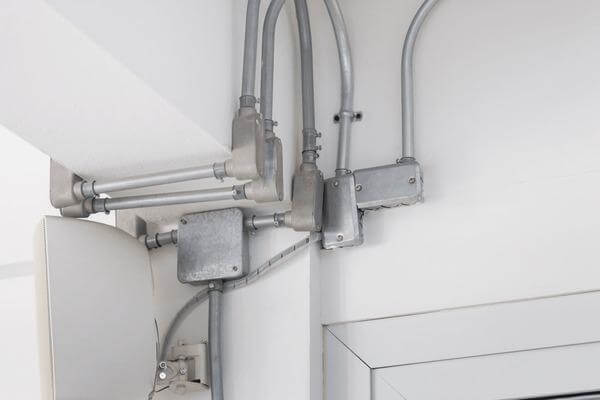
Fungsi utama kotak listrik adalah untuk menciptakan lingkungan yang aman bagi sambungan listrik dengan melindunginya dari kontak yang tidak disengaja. Tanpa kotak listrik, sambungan kabel dapat terbuka, yang menyebabkan potensi risiko seperti korsleting, kebakaran listrik, atau bahaya sengatan listrik. Kotak listrik biasanya dipasang selama pembangunan atau renovasi bangunan dan merupakan kunci untuk menjaga sistem listrik yang sesuai dan aman.
Fungsi kotak listrik juga mencakup pengorganisasian sistem kabel. Dengan menampung kabel di satu lokasi yang mudah diakses, kotak listrik memudahkan perawatan dan pemecahan masalah. Kotak listrik juga berfungsi sebagai titik transisi antara kabel listrik dan perangkat yang terhubung, seperti sakelar, stopkontak, atau perlengkapan penerangan.
2. Jawaban Singkat: Apa saja 4 Jenis Kotak Listrik?
Dalam industri kelistrikan, meskipun terdapat puluhan jenis kotak pelindung khusus, hampir semua instalasi termasuk dalam kategori ini. 4 kategori utama. Jika Anda mencari identifikasi cepat, berikut rinciannya:
-
Kotak Logam: Biasanya baja galvanis, digunakan dengan kabel lapis baja (BX) atau pipa logam (EMT/RMC).
-
Kotak Non-Logam (Plastik/PVC): Ringan, tidak menghantarkan listrik, dan hemat biaya; digunakan dengan kabel Romex (NM).
-
Kotak Perangkat Dalam Ruangan: Dirancang untuk sakelar dan stopkontak standar di lokasi kering.
-
Kotak Luar Ruangan Tahan Cuaca: Unit tertutup rapat dengan gasket, dirancang untuk tahan terhadap hujan, salju, dan kelembapan.
3. Jenis-Jenis Kotak Listrik
Memilih jenis kotak listrik yang tepat sangat penting untuk instalasi yang aman dan sesuai dengan kode. Kotak listrik dapat dikategorikan menurut berbagai tolok ukur, yang membantu dalam memilih jenis yang tepat untuk berbagai proyek. Tolok ukur ini meliputi komposisi material, tujuan fungsional, dan bentuk, di antara lainnya. Kami akan membahas berbagai klasifikasi ini secara singkat berikut ini.
3.1 Klasifikasi Berdasarkan Fungsi
Kotak listrik juga diklasifikasikan berdasarkan fungsi yang dimaksudkan, dengan desain khusus yang disesuaikan untuk mendukung berbagai kebutuhan listrik.
- Kotak SambunganIni digunakan sebagai titik penghubung untuk kabel, menyediakan wadah yang aman untuk sambungan dan mengatur berbagai jalur kabel. Hal ini sangat penting untuk memastikan keamanan dan menjaga integritas sistem kelistrikan.
- Kotak Soket (Outlet)Digunakan untuk menutup stopkontak atau soket listrik, kotak stopkontak dapat ditemukan di hampir setiap bangunan perumahan dan komersial.
- Kotak SakelarIni dirancang untuk menampung sakelar listrik. Tersedia dalam berbagai ukuran untuk mengakomodasi berbagai jenis sakelar, dari konfigurasi kutub tunggal hingga multi-gang.
3.2 Klasifikasi Bentuk
Kotak listrik hadir dalam berbagai bentuk, yang berperan dalam pemasangan dan penggunaannya, terutama ketika berurusan dengan konfigurasi pengkabelan tertentu.
- Kotak BundarJenis ini biasanya digunakan untuk lampu langit-langit atau kipas angin di mana perlengkapan berbentuk lingkaran perlu dipasang. Bentuknya membuatnya cocok untuk perangkat listrik dan tata letak kabel yang bulat.
- Kotak PersegiKotak-kotak ini menawarkan lebih banyak ruang untuk sambungan kabel dan umumnya digunakan untuk mengatur beberapa sambungan kabel. Bentuk persegi memungkinkan penggunaan ruang yang lebih efisien di titik-titik persimpangan dengan jumlah kabel yang lebih banyak.
- Kotak Persegi PanjangUmumnya digunakan untuk stopkontak dan sakelar, kotak persegi panjang menawarkan bentuk memanjang yang mengakomodasi perangkat listrik yang dipasang rata dengan dinding.
3.3 Klasifikasi Material
Kotak listrik pada dasarnya dibagi menjadi tipe logam dan non-logam berdasarkan bahannya.
- Kotak Listrik LogamKotak-kotak ini terbuat dari bahan seperti baja atau aluminium dan banyak digunakan dalam aplikasi komersial atau industri. Kotak logam kuat, tahan lama, dan memberikan ketahanan api serta pilihan pentanahan yang lebih baik.
- Kotak Listrik Non-LogamBiasanya terbuat dari plastik, seperti PVC atau ABS, kotak-kotak ini lebih umum digunakan di aplikasi perumahan. Kotak-kotak ini ringan, tahan korosi, dan lebih aman untuk ditangani karena tidak menghantarkan listrik.
Dalam postingan ini, kita akan membahas secara mendalam berbagai jenis kotak listrik berdasarkan klasifikasi yang disebutkan di atas. Kami berharap informasi ini membantu Anda lebih memahami kotak listrik dan memungkinkan Anda untuk memilih yang tepat untuk proyek Anda.
4. Kotak Sambungan
A rigid, non-metallic enclosure (typically ranging from 4″x4″x2″ to 12″x12″x6″) engineered to house electrical wire splices safely. Manufactured from high-impact PVC, these boxes feature capacities explicitly stamped for NEC conductor fill calculations and carry NEMA 3R to NEMA 6P ratings for waterproof and direct-burial applications.
Wawasan Kontraktor: Junction boxes act as the vital intersections of any conduit run. Unlike metallic boxes, PVC junction boxes do not require bonding to the enclosure itself (saving labor on grounding screws), while providing superior dielectric strength in damp underground locations.
4.1 PVC Electrical Junction Boxes Engineering Table
| Specification & Metric | Engineering & Sourcing Data (Ctube PVC Series) |
|---|---|
| Volumetric Capacity Range | From 14.0 Cu. In. (Small) up to custom commercial high-volume enclosures. |
| NEC Code Compliance | Mandated by NEC Article 314.16; calculation based on AWG wire size. |
| Environmental Resilience | IP65+ / NEMA 4X equivalent; 1440-hour UV aging resistance. |
| Material & Fire Rating | 100% Virgin PVC; UL 94 V-0 / 5VA & FT4 flame retardant. |
| Procurement Advantage | Available in standard gray (North America), orange/white (AS/NZS). |
4.2 Square & Rectangular Junction Box – Best for Multiple Electrical Wire Connections

Kotak sambungan persegi atau persegi panjang memberikan desain yang ringkas namun lapang dengan bentuk persegi yang memungkinkan beberapa saluran masuk dari berbagai arah. Desain ini menjadikannya ideal untuk mengelola beberapa sambungan kabel dalam instalasi yang lebih besar, dengan ruang tambahan di sudut-sudut untuk menampung lebih banyak konduktor, konektor, atau sambungan.
Kotak sambungan berbentuk persegi atau persegi panjang umumnya digunakan dalam penerangan perumahan, instalasi listrik komersial, dan sistem listrik industri yang lebih kompleks. Tersedia dalam bahan plastik dan logam, kotak sambungan ini menawarkan daya tahan dan fleksibilitas untuk berbagai instalasi listrik.
4.3 Round Pan & Octagonal Ceiling Box – Designed for Ceiling Fans and Light Fixtures
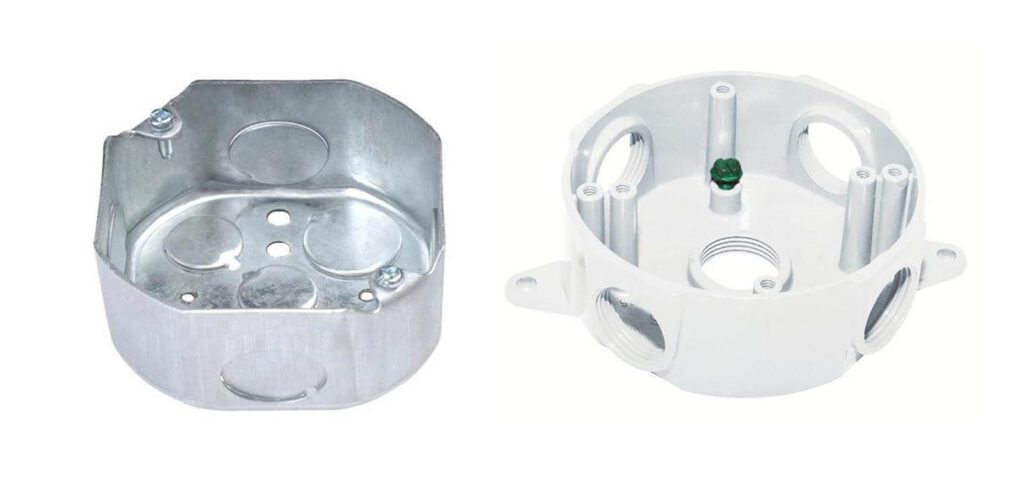
Kotak sambungan bundar berbentuk lingkaran dan biasanya digunakan untuk perlengkapan lampu yang dipasang di langit-langit dan instalasi penerangan dinding kecil. Kotak dangkal ini dirancang untuk sambungan tegangan rendah di mana ruang terbatas, sehingga ideal untuk aplikasi yang lebih sederhana. Bentuk bundarnya memungkinkan pemasangan yang mudah di area terbatas, terutama pada pengaturan penerangan langit-langit dan dinding. Namun, kotak ini paling cocok untuk instalasi dengan kebutuhan listrik yang terbatas, karena ukurannya membatasi jumlah sambungan kabel yang dapat ditampung.
Sebaliknya, kotak sambungan segi delapan memberikan ruang interior yang sedikit lebih luas daripada kotak bundar, dengan delapan sisi yang menawarkan stabilitas dan ruang untuk kabel tambahan. Desain ini membuatnya cocok untuk instalasi yang lebih berat, seperti kipas langit-langit atau perlengkapan lampu yang lebih besar, di mana lebih banyak sambungan atau penyambungan diperlukan.
4.4 Electrical Circular Junction Box -Multiple Ways for Wiring Changing
Kotak sambungan listrik melingkar adalah kotak fleksibel berbentuk bulat yang dirancang untuk mengakomodasi berbagai konfigurasi kabel, sehingga cocok untuk berbagai instalasi listrik. Kotak ini banyak digunakan baik di lingkungan perumahan maupun komersial, di mana kabel perlu dihubungkan atau dicabangkan ke berbagai arah. Tergantung pada kebutuhan pengkabelan, kotak sambungan ini dapat menawarkan berbagai titik masuk dan keluar untuk saluran atau kabel.
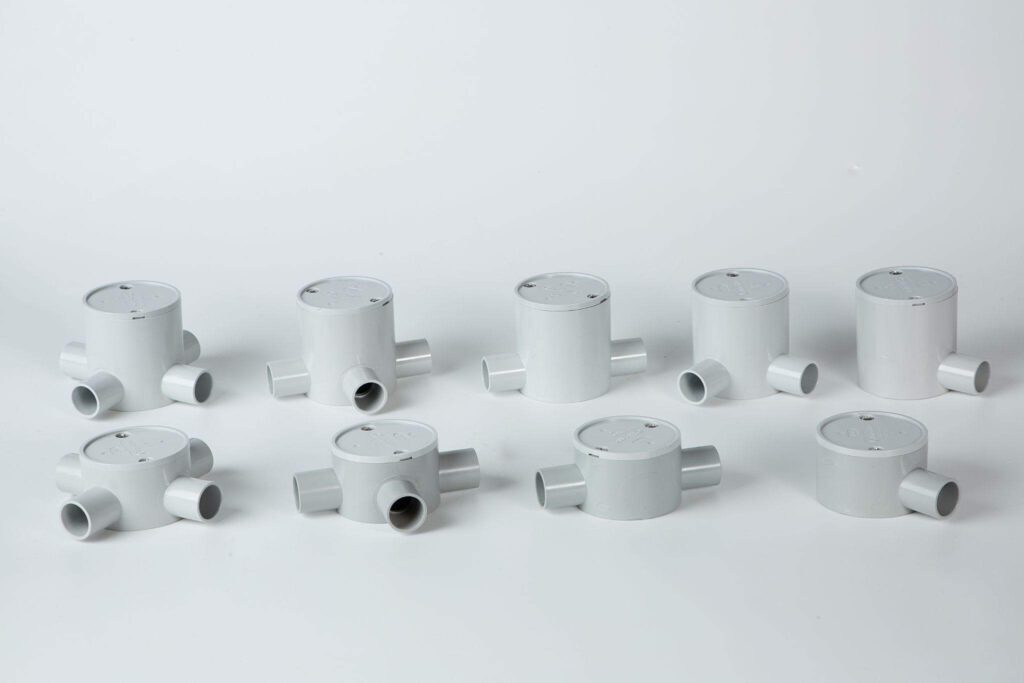
- Kotak Sambungan Satu ArahKonfigurasi ini memungkinkan satu titik masuk dan keluar kabel, digunakan ketika pengkabelan berlanjut dalam satu arah tanpa percabangan. Biasanya dipasang di tempat sambungan listrik tidak perlu terpisah atau berubah arah, sehingga menyediakan sambungan langsung yang sederhana.
- Kotak Sambungan 2 ArahDalam pengaturan ini, dua titik masuk diposisikan tepat berlawanan satu sama lain, memungkinkan kabel masuk dan keluar dalam garis lurus. Ini berguna dalam situasi di mana pengkabelan perlu diperpanjang secara linier antara dua titik.
- Kotak Sambungan Sudut Siku (90 derajat)Konfigurasi sudut siku-siku menawarkan dua titik masuk yang membentuk sudut 90 derajat satu sama lain, ideal untuk instalasi di mana kabel perlu berbelok di sudut. Pengaturan ini umumnya digunakan di sudut dinding atau langit-langit untuk mengubah arah jalur kabel tanpa memberi tekanan pada kabel.
- Kotak Sambungan 3 Arah (T)Kotak ini memiliki tiga titik masuk, menciptakan konfigurasi berbentuk T, yang ideal untuk situasi di mana kabel utama perlu bercabang ke dua arah yang berbeda. Kotak ini sering digunakan untuk membagi kabel menjadi dua jalur.
- Kotak Persimpangan 4 Arah (Persimpangan Silang)Dengan empat titik masuk yang disusun dalam pola silang, kotak sambungan 4 arah digunakan untuk instalasi yang lebih kompleks di mana kabel bertemu dari empat arah yang berbeda. Ini sangat cocok untuk sistem pengkabelan seperti jaringan atau area di mana beberapa sirkuit perlu dihubungkan.
- Kotak Sambungan U-WayKonfigurasi U-way memungkinkan kabel masuk dan keluar dalam bentuk lingkaran atau huruf U. Ini biasanya digunakan ketika kabel perlu berputar kembali ke titik awal, yang sering ditemukan pada instalasi yang kompak atau terbatas yang membutuhkan perutean yang lebih fleksibel.
- Kotak Sambungan Y-WayPengaturan ini menyediakan tiga titik masuk dalam pola berbentuk Y, memungkinkan kabel untuk bercabang atau menyatu pada tiga sudut yang berbeda. Ini biasanya digunakan untuk instalasi di mana beberapa kabel perlu bercabang ke arah yang berbeda, seperti pada sistem penerangan atau alarm yang kompleks.
- Kotak Persimpangan Jalan RayaMenawarkan beberapa titik masuk dalam konfigurasi yang menyerupai huruf "H", kotak ini dirancang untuk sistem pengkabelan yang luas dengan banyak jalur. Kotak ini sering digunakan di lingkungan industri atau komersial di mana sejumlah besar kabel perlu dihubungkan ke berbagai arah.
4.5 Weatherproof Electrical Boxes – Durable Outdoor Protection for Electrical Installations
Kotak listrik tahan cuaca dirancang khusus untuk melindungi sambungan dan perangkat listrik dari kondisi luar ruangan yang keras. Disebut juga kotak adaptif. Kotak-kotak ini sangat penting untuk instalasi yang terpapar hujan, salju, debu, dan faktor lingkungan lainnya. Kotak ini dibangun untuk memenuhi standar tertentu untuk ketahanan terhadap air dan debu, memastikan bahwa komponen listrik di dalamnya tetap aman dan beroperasi terlepas dari kondisi cuaca eksternal.
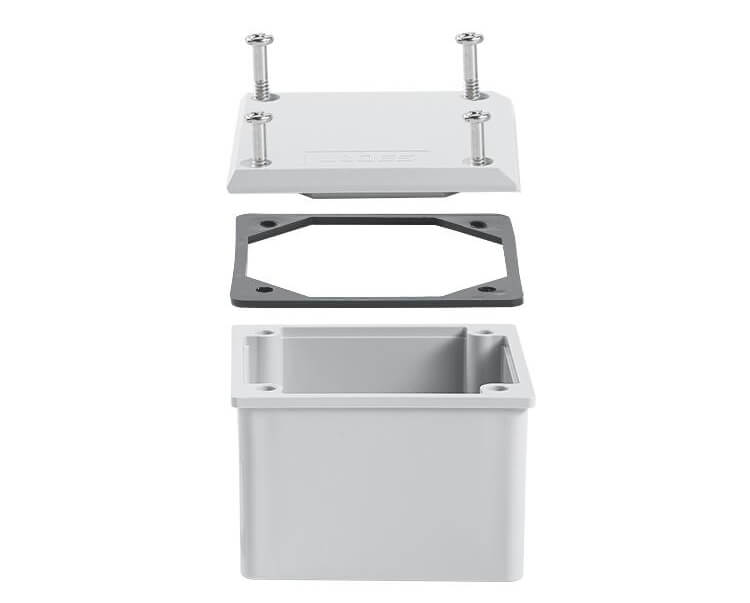
- Bahan dan KonstruksiKotak tahan cuaca biasanya terbuat dari bahan yang tahan lama seperti PVC tahan benturan tinggi, aluminium, atau baja tahan karat. Bahan-bahan ini tahan terhadap korosi dan dapat menahan suhu dan kondisi cuaca ekstrem.
- Fitur DesainKotak-kotak ini memiliki fitur-fitur berikut: penutup dan gasket yang tersegel untuk mencegah masuknya kelembapan dan kotoran. Biasanya dilengkapi dengan lubang atau jalur masuk konduit untuk mengakomodasi berbagai jenis kabel dan sambungan.
- AplikasiUmumnya digunakan untuk instalasi listrik luar ruangan, seperti penerangan eksterior, stopkontak luar ruangan, dan sambungan listrik pada bagian luar bangunan. Kotak listrik ini juga digunakan di lingkungan di mana kotak listrik mungkin terkena air atau debu, sehingga memastikan keandalan dan keamanan jangka panjang.
5. Kotak Stop Kontak
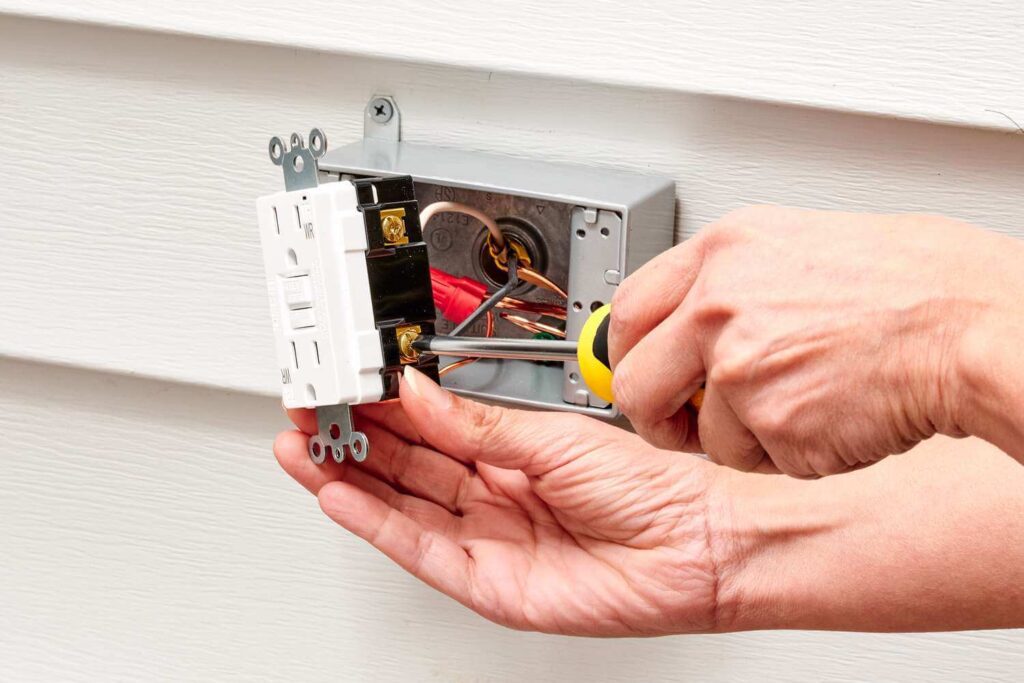
Technical Definition: Engineered specifically to house standard duplex, GFCI (Ground-Fault Circuit Interrupter), and AFCI electrical receptacles. Molded from impact-resistant virgin PVC, these enclosures are available in single or multi-gang configurations with varying depths to accommodate bulky wiring devices without exceeding NEC thermal and volumetric fill limits.
Wawasan Kontraktor: A major installation failure occurs when contractors use standard-depth boxes for modern smart outlets or commercial 20A USB receptacles. These oversized devices crush the wires against the back of the box, leading to pinched insulation and arcing. MEP engineers must specify deep-profile PVC outlet boxes (e.g., 22.5 Cu. In. or higher) to guarantee safe heat dissipation and fast wire packing.
Kotak stopkontak adalah perlengkapan kecil tertutup yang berisi sambungan listrik untuk stopkontak. Kotak stopkontak membantu mengatur dan melindungi kabel, mencegah kebakaran listrik, dan menjaga integritas sistem listrik rumah Anda.
5.1 Outlet Boxes Engineering & Sourcing Data
| Specification & Metric | Engineering & Sourcing Data (Ctube PVC Series) |
|---|---|
| Common Dimensions & Volume | Standard depth (18.0 Cu. In.) to Deep configurations (22.5+ Cu. In. for GFCI/Smart devices). |
| Mounting Configurations | “New Work” angled nailing nails/brackets; “Old Work” swing-bracket retaining ears. |
| NEC Box Fill Compliance | Extra volume specifically designed to meet NEC Article 314.16(B) device fill allowances. |
| Material Durability | High-impact 100% Virgin PVC; prevents mounting ear snap-off when securing heavy commercial receptacles. |
| Fire Safety Standard | Meets UL 94 V-0 / 5VA; self-extinguishing to isolate sparks from faulty plug connections. |
Untuk membantu pemahaman, kami akan mengkategorikan kotak stopkontak dengan cara berikut.
| Jenis Instalasi | Lingkungan yang Dituju | Ukuran & Struktur |
| Kotak stopkontak kerja lama | Kotak stopkontak dalam ruangan | Kotak stopkontak satu gang |
| Kotak stopkontak kerja baru | Kotak stopkontak luar ruangan | Kotak stopkontak ganda/multipel |
5.2 Old Work Outlet Boxes
Kotak stopkontak untuk instalasi lama dirancang khusus untuk memasang stopkontak listrik pada dinding yang sudah ada di mana sebelumnya tidak ada kotak stopkontak. Kotak ini ideal untuk skenario di mana dinding sudah dilapisi drywall atau plester, memungkinkan penambahan stopkontak tanpa perlu renovasi besar-besaran.
5.2.1 Key Features of Karya Lama Kotak Stopkontak
- Penjepit yang Dapat DisetelKotak instalasi lama dilengkapi dengan klem atau tab yang dapat disesuaikan yang mengamankan kotak dengan kuat ke material dinding setelah pemasangan.
- Tidak Perlu Akses StudBerbeda dengan kotak sambungan baru, kotak sambungan lama dapat dipasang tanpa perlu mengakses rangka dinding, sehingga sangat cocok untuk dinding yang sudah jadi.
5.2.2 Installation Process of Karya Lama Kotak Stopkontak
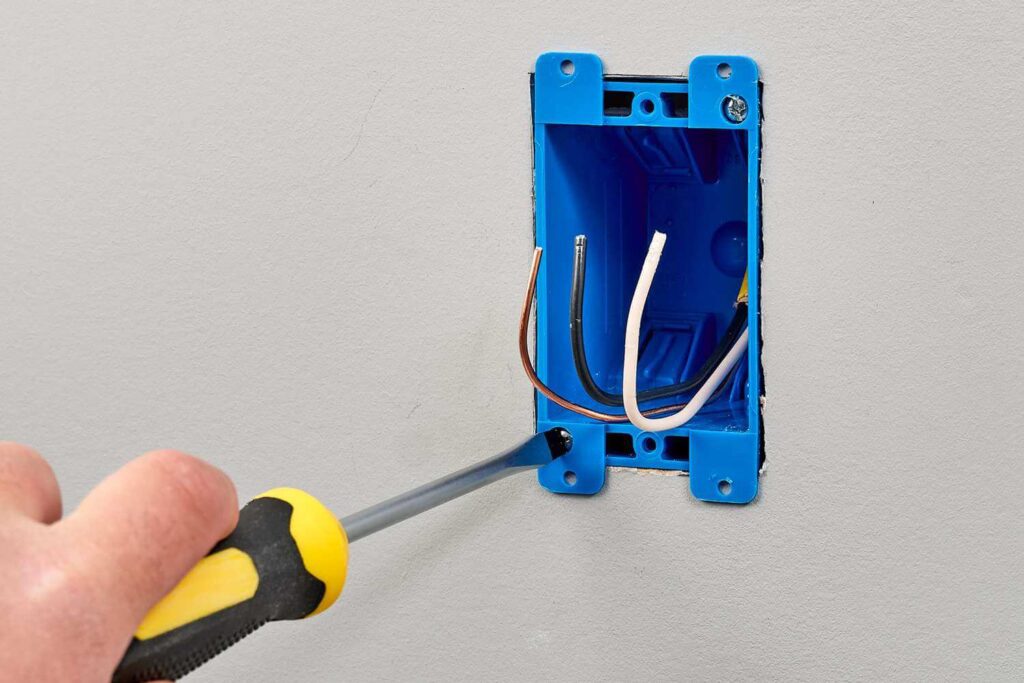
- Buat LubangMulailah dengan mengukur dan memotong lubang yang sesuai di dinding tempat stopkontak akan dipasang. Pastikan lubang tersebut berukuran tepat agar kotak stopkontak dapat terpasang dengan pas.
- Masukkan KotakMasukkan kotak stopkontak lama dengan hati-hati ke dalam lubang yang telah dibuat.
- Amankan KotaknyaKencangkan klem bawaan dengan memutar sekrupnya. Tindakan ini akan menarik klem ke bagian belakang dinding, sehingga kotak terpasang dengan aman di tempatnya.
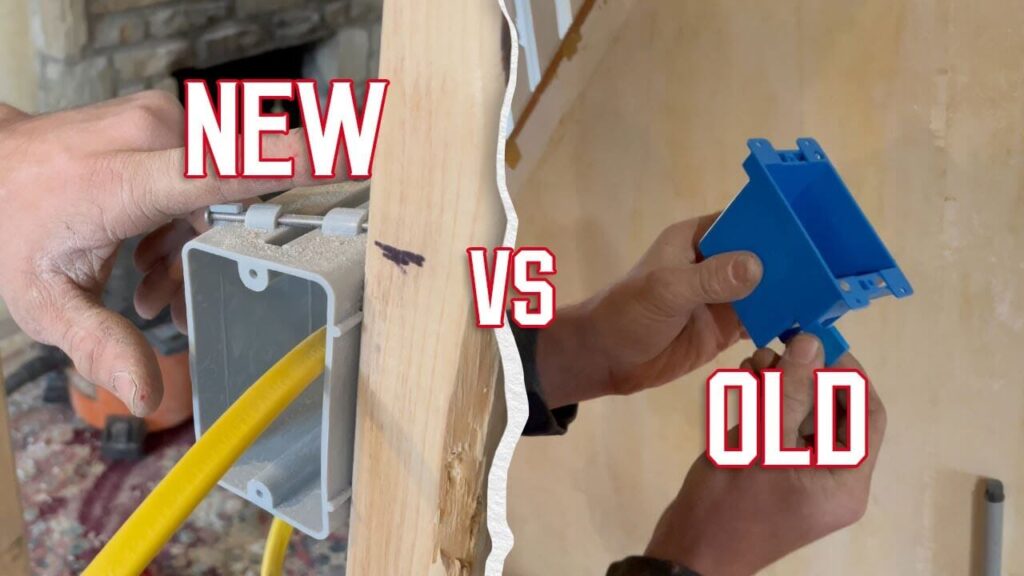
5.3 New Work Outlet Boxes
Kotak stopkontak baru terutama digunakan dalam proyek konstruksi di mana dinding terbuka dan mudah diakses, seperti selama tahap awal pemasangan rangka rumah baru atau renovasi besar. Kotak-kotak ini menyediakan fondasi yang kokoh untuk stopkontak listrik, memastikan stopkontak tersebut ditopang dengan benar di dalam struktur dinding.
5.3.1 When to Use Karya Baru Kotak Stopkontak
- Konstruksi BaruKotak kerja baru paling cocok untuk proyek-proyek di mana dinding belum selesai, memungkinkan pemasangan langsung ke rangka.
- Renovasi Besar-besaran: Mereka juga dapat digunakan selama renovasi besar-besaran ketika dinding dibuka untuk pembaruan.
5.3.2 Installation Requirements for Karya Baru Kotak Stopkontak
- Pasang Kotaknya: Pasang kotak stopkontak baru dengan aman pada tiang dinding atau rangka. Pastikan terpasang dengan kuat untuk memberikan stabilitas bagi stopkontak di masa mendatang.
- Periksa PosisiPastikan kotak tersebut dipasang pada ketinggian yang tepat dan disejajarkan dengan benar untuk mengakomodasi ketebalan dinding akhir. Ini akan mencegah masalah setelah pemasangan drywall atau panel dinding.
5.4 Outdoor vs Indoor Outlet Boxes
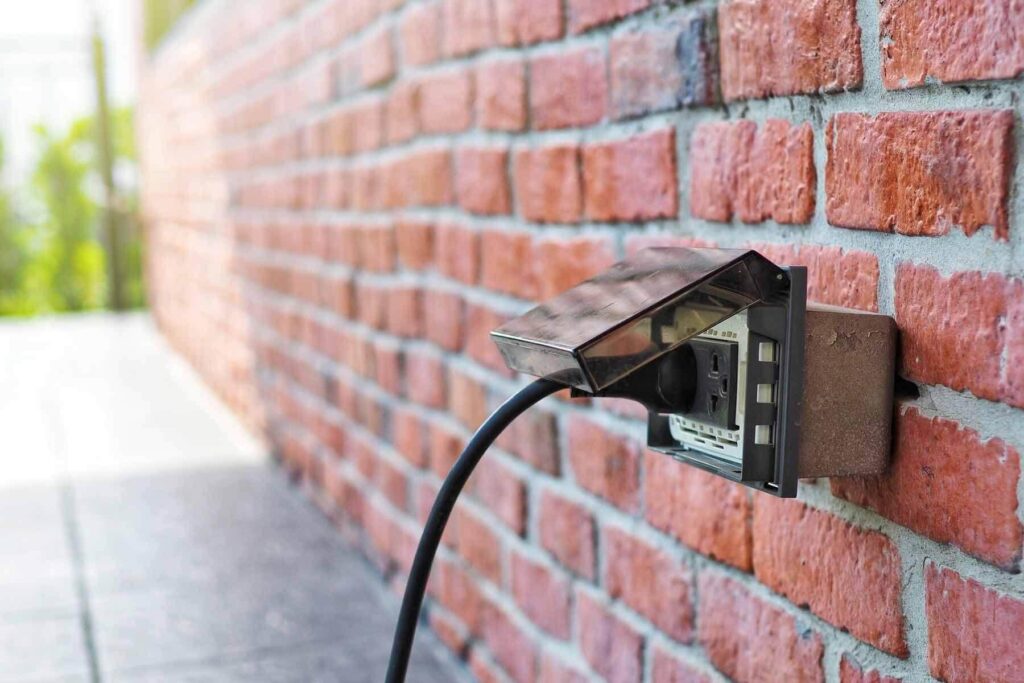
Kotak stopkontak luar ruangan harus tahan terhadap kondisi yang lebih keras dibandingkan dengan kotak stopkontak dalam ruangan. Oleh karena itu, desainnya mencakup beberapa pertimbangan penting:
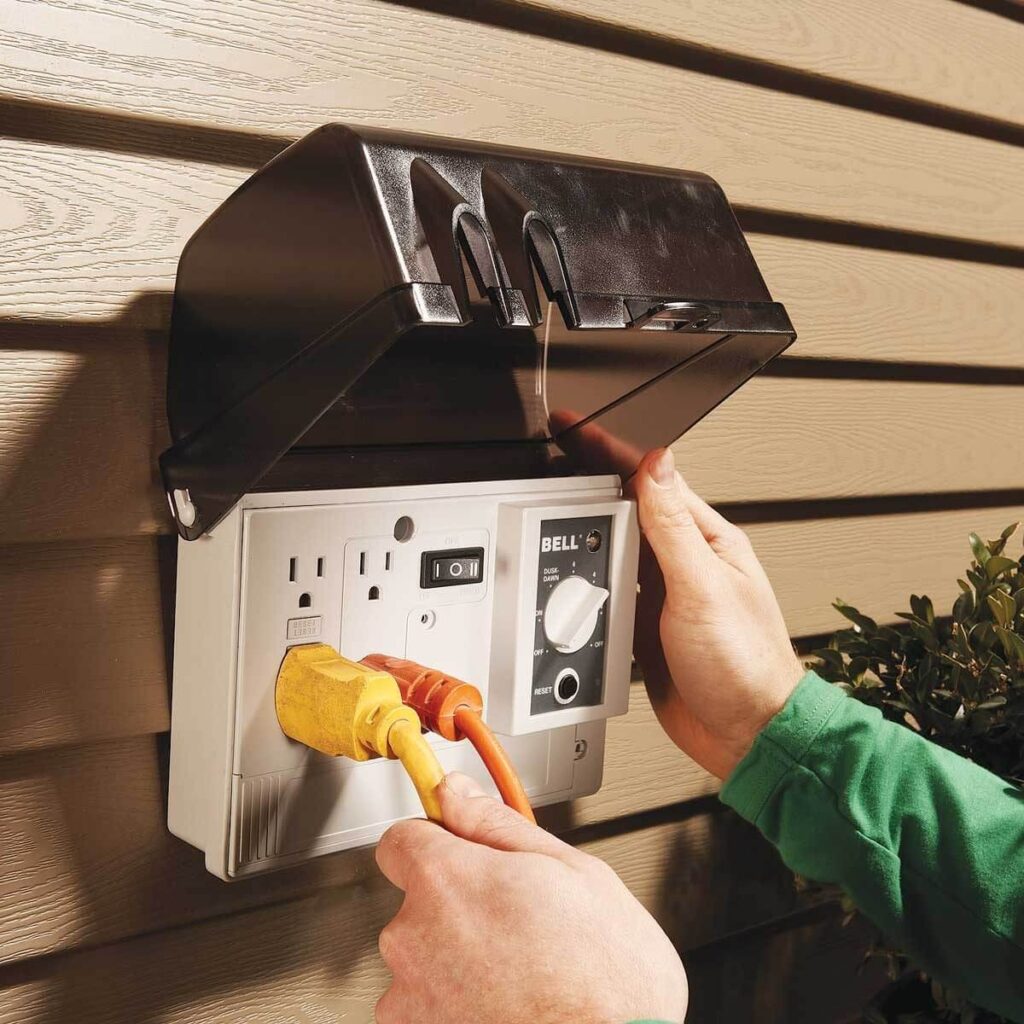
- Tahan cuacaKotak luar ruangan biasanya diberi peringkat berdasarkan ketahanan terhadap cuaca (misalnya, Peringkat NEMA) untuk melindungi dari hujan, salju, dan suhu ekstrem. Produk ini dilengkapi dengan gasket kedap udara, penutup, dan langkah-langkah perlindungan lainnya untuk mencegah masuknya kelembapan.
- Daya tahanTerbuat dari bahan yang kokoh seperti plastik atau logam tahan lama, kotak luar ruangan dirancang untuk tahan terhadap korosi., degradasi UV, dan benturan fisik. Daya tahan ini memastikan kinerja jangka panjang di lingkungan yang menantang.
- Pengardean dan PengikatanKotak listrik luar ruangan seringkali dilengkapi fitur untuk pentanahan dan pengikatan guna melindungi pengguna dari sengatan listrik, terutama dalam kondisi lembap.
5.5 Classification by Size: Single-Gang vs. Double-Gang Outlet Boxes
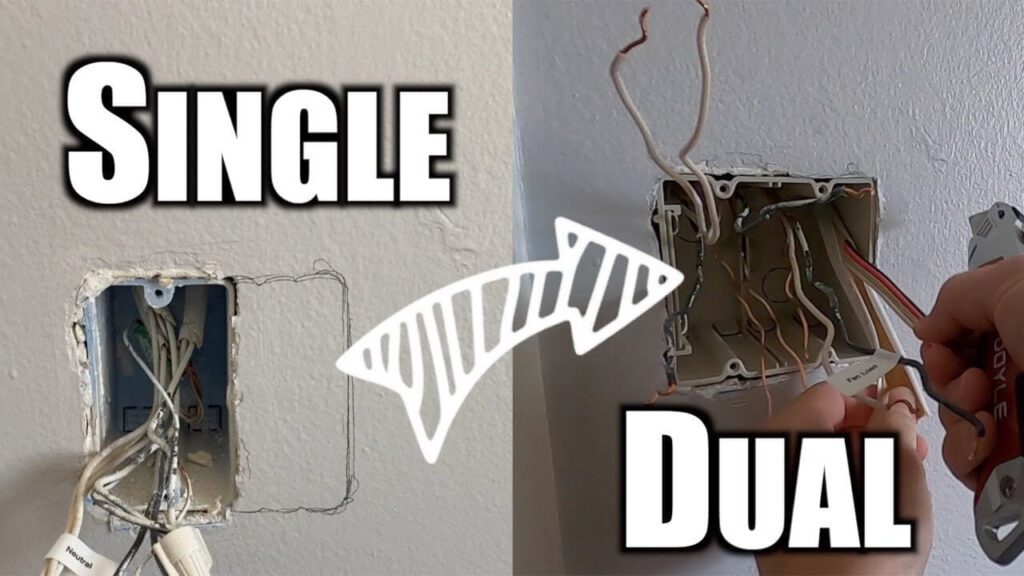
- Kotak stopkontak tunggal dirancang untuk menampung satu stopkontak atau sakelar listrik. Kotak ini berukuran kompak dan biasanya berukuran sekitar 2 inci lebar dan 3 inci tinggi. Kotak ini ideal untuk situasi di mana ruang terbatas atau hanya satu stopkontak yang diperlukan.
- Kotak stopkontak ganda dirancang untuk menampung dua stopkontak atau sakelar listrik berdampingan. Kotak ini biasanya berukuran sekitar 4 inci lebarnya dan 3 inci tingginya, sehingga memungkinkan lebih banyak fungsi dalam satu unit.
Kotak stopkontak tunggal hanya menampung satu stopkontak atau sakelar listrik dan ideal untuk ruang kecil, sehingga hemat biaya dan mudah dipasang. Namun, kotak ini membatasi fungsionalitas hanya pada satu koneksi.
Sebaliknya, kotak stopkontak ganda dapat menampung dua stopkontak atau kombinasi stopkontak dan sakelar, memberikan lebih banyak fleksibilitas untuk area dengan kebutuhan listrik yang lebih tinggi. Meskipun membutuhkan lebih banyak ruang di dinding, kemampuannya untuk melayani banyak perangkat menjadikannya pilihan yang lebih baik di lingkungan yang sibuk.
6. Kotak Sakelar
6.1 Definisi Kotak Sakelar Listrik
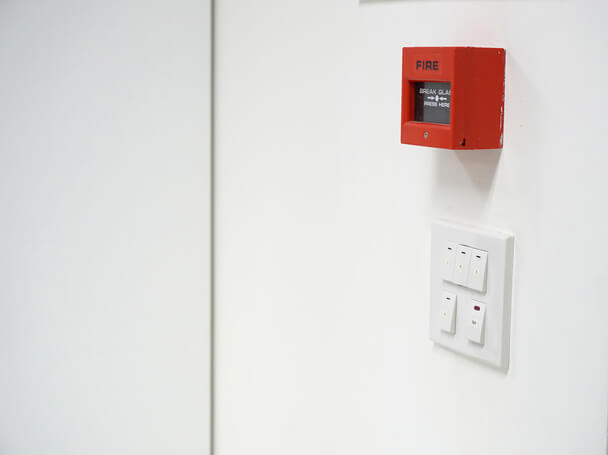
Technical Definition: Enclosures designed explicitly for single, double, or multi-gang wall lighting controls, including standard toggles, dimmers, and smart switches. They feature highly precise mounting hole threads and rigid side walls to ensure multi-switch faceplates align perfectly flush with the finished drywall.
Wawasan Kontraktor: When installing 3-gang or 4-gang PVC switch boxes, structural rigidity is paramount. Inferior boxes made from regrind plastic will warp or bow inward under the pressure of drywall installation, causing switch plates to sit unevenly and look unprofessional. High-quality virgin PVC maintains absolute dimensional stability under construction stress.
6.1.1 Switch Boxes Engineering & Sourcing Data
| Specification & Metric | Engineering & Sourcing Data (Ctube PVC Series) |
|---|---|
| Gangability & Configurations | 1-Gang, 2-Gang, 3-Gang, 4-Gang (Seamless molded construction). |
| Structural Rigidity | Reinforced sidewalls prevent bowing during drywall/sheetrock installation. |
| Thread Precision | Precision-tapped standard 6-32 device mounting holes; prevents thread stripping during high-torque assembly. |
| Environmental Rating | Moisture and corrosion-resistant; ideal for damp locations like commercial kitchens or industrial washdowns. |
| Procurement Advantage | Available in bulk skids with pre-installed captive nails for rapid job-site deployment, slashing labor hours. |
6.2 Pentingnya dalam Instalasi Listrik
Pentingnya kotak sakelar listrik tidak dapat diremehkan. Kotak ini memainkan peran penting dalam memastikan keselamatan dan kepatuhan terhadap kode kelistrikan. Dengan menutup sambungan listrik, kotak-kotak ini membantu mencegah kontak yang tidak disengaja dengan kabel listrik yang aktif, mengurangi risiko sengatan listrik atau kebakaran. Selain itu, pemasangan kotak sakelar yang tepat berkontribusi pada estetika keseluruhan suatu ruangan, karena dapat diintegrasikan dengan rapi ke dalam dinding dan langit-langit.
6.3 Perbedaan Antara Kotak Sakelar dan Kotak Stopkontak
Meskipun kotak sakelar dan kotak stopkontak sama-sama berfungsi sebagai wadah untuk sambungan listrik, fungsinya berbeda secara signifikan. Kotak sakelar dirancang khusus untuk menampung sakelar yang mengontrol aliran listrik ke perangkat seperti lampu dan kipas angin.
Sebaliknya, kotak stopkontak ditujukan untuk stopkontak listrik yang menyediakan daya ke peralatan dan perangkat. Kotak stopkontak biasanya menampung banyak kabel untuk distribusi daya, sedangkan kotak sakelar berfokus pada menghubungkan sakelar ke satu sirkuit.
Memahami perbedaan-perbedaan ini sangat penting untuk memilih jenis kotak yang tepat untuk kebutuhan instalasi listrik Anda.
Struggling with fragile enclosures in cold-weather trenching? Stop losing money on shattered boxes and wasted labor. Upgrade your job site with Ctube’s 1440-hour UV-tested, -10°C impact-resistant PVC boxes.
7. Material Kotak Listrik: Kelebihan dan Kekurangan
Pemilihan material untuk kotak sambungan listrik dapat berdampak signifikan terhadap keamanan, daya tahan, dan kinerja sistem listrik. Berbagai material digunakan untuk memenuhi persyaratan lingkungan, struktural, dan biaya tertentu. Bagian ini membahas lebih dalam tentang material yang digunakan untuk kotak sambungan, menguraikan kelebihan, kekurangan, dan skenario penggunaan terbaiknya.
7.1 Kotak Listrik Logam
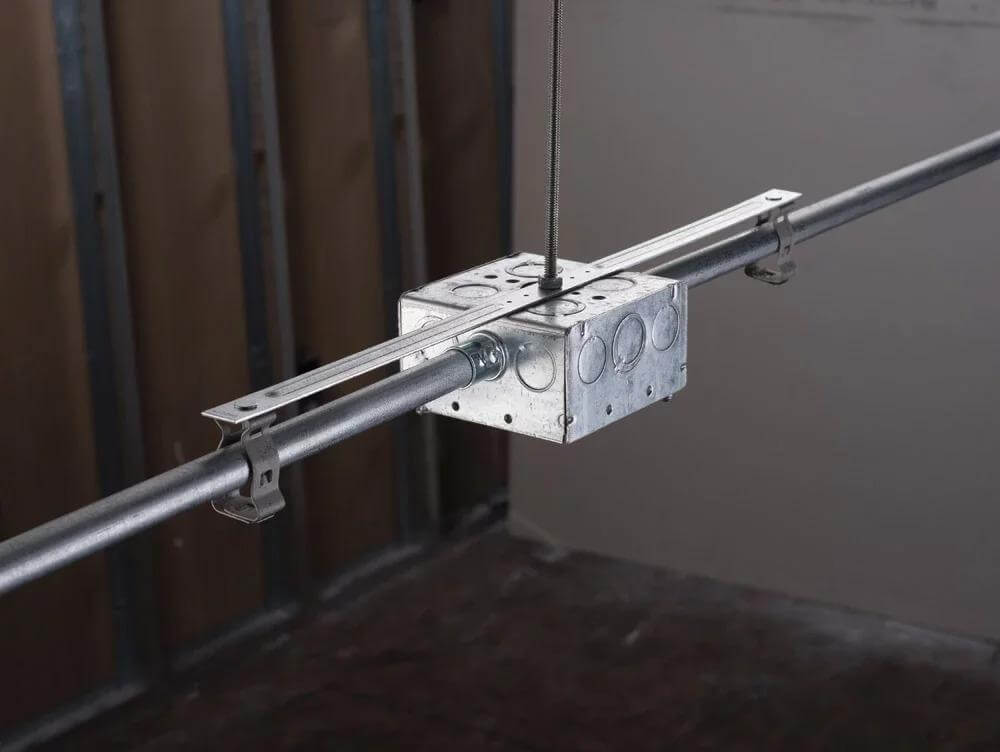
7.1.1 Jenis-Jenis Kotak Listrik Logam
- Baja: Pilihan umum karena kekuatan dan daya tahannya. Kotak baja sering dilapisi untuk mencegah korosi, sehingga cocok untuk lingkungan yang membutuhkan daya tahan tinggi.
- Baja GalvanisBaja dilapisi seng untuk meningkatkan ketahanan terhadap karat dan korosi, ideal untuk penggunaan di luar ruangan atau kondisi lembap.
- AluminiumDikenal karena sifatnya yang ringan dan tahan korosi, aluminium digunakan di lingkungan yang membutuhkan perlindungan dari unsur-unsur alam atau paparan bahan kimia. Namun, aluminium lebih lunak dan lebih rentan terhadap kerusakan daripada baja.
7.1.2 Keunggulan Kotak Listrik Logam
- Daya Tahan Tinggi: Kuat dan mampu menahan kerusakan fisik, sehingga sangat cocok untuk lingkungan industri atau konstruksi.
- Ketahanan ApiKotak logam tidak meleleh atau terbakar, sehingga memberikan perlindungan tambahan terhadap kebakaran listrik.
- Kemampuan Pengardean: Mudah dihubungkan ke ground, sehingga meningkatkan keamanan pada sistem kelistrikan.
- Disipasi Panas: Menghantarkan panas secara efisien, mengurangi risiko panas berlebih pada komponen listrik.
7.1.3 Kekurangan Kotak Listrik Logam
- Biaya Lebih Tinggi: Secara umum lebih mahal daripada pilihan berbahan plastik karena biaya material dan kompleksitas pemasangan.
- Risiko KorosiBahkan baja galvanis pun dapat berkarat seiring waktu jika lapisannya rusak, sehingga kurang cocok untuk lingkungan yang selalu lembap.
- Berat: Lebih berat daripada alternatif plastik, sehingga menyulitkan pemasangan di area atas kepala atau area yang sulit dijangkau.
- Instalasi KompleksMembutuhkan lebih banyak alat dan keahlian untuk pemasangan, khususnya untuk memotong lubang saluran dan memastikan pentanahan yang tepat.
7.2 Kotak Listrik Plastik (PVC dan ABS)
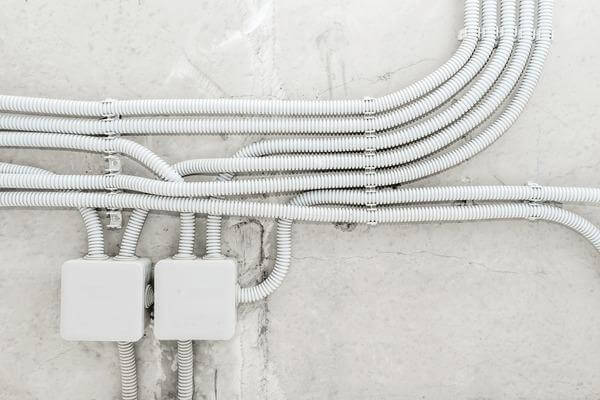
Kotak sambungan plastik, yang terutama terbuat dari Polivinil Klorida (PVC) dan Akrilonitril Butadiena Stirena (ABS), populer karena keserbagunaan dan daya tahannya. Material ini sangat cocok untuk aplikasi perumahan dan komersial ringan, khususnya di lingkungan di mana kelembapan atau paparan bahan kimia menjadi perhatian.
7.2.1 Keunggulan Kotak Listrik Plastik
- Hemat BiayaKotak sambungan plastik umumnya jauh lebih terjangkau daripada alternatif logam, sehingga ideal untuk proyek-proyek yang mempertimbangkan anggaran.
- Ketahanan KorosiBaik PVC maupun ABS tidak berkarat atau mengalami korosi, sehingga sangat cocok untuk digunakan di lingkungan yang basah atau lembap, seperti kamar mandi atau instalasi luar ruangan.
- RinganKotak-kotak ini ringan, sehingga memungkinkan pemasangan yang lebih cepat dan mudah, terutama di area yang sulit dijangkau.
- Tidak KonduktifSebagai bahan non-konduktif, PVC dan ABS menghilangkan risiko sengatan listrik jika kotak tersebut rusak, dan tidak memerlukan pentanahan.
7.2.2 Kekurangan Kotak Listrik Plastik
- Sensitivitas PanasPVC dapat berubah bentuk, melengkung, atau meleleh ketika terkena suhu tinggi, sehingga kurang cocok untuk aplikasi yang melibatkan sistem listrik berdaya tinggi. ABS juga memiliki titik leleh yang lebih rendah dibandingkan logam, sehingga membatasi penggunaannya di lingkungan bersuhu tinggi.
- Daya Tahan Lebih RendahMeskipun ABS lebih tahan benturan daripada PVC, kedua material tersebut tidak sekuat logam dan rentan retak akibat tekanan, terutama di lingkungan yang mungkin mengalami benturan fisik.
- Mudah terbakarMeskipun tersedia jenis PVC dan ABS tahan api, bahan-bahan ini tetap dapat terbakar dan melepaskan asap beracun jika terpapar panas tinggi dalam waktu lama.
- Degradasi UV: ABS dapat mengalami degradasi seiring waktu jika terkena sinar matahari langsung, sehingga tidak cocok untuk penggunaan luar ruangan dalam jangka panjang kecuali jika telah distabilkan terhadap sinar UV.
7.2.3 Perbandingan Material: Kotak Listrik Logam vs. Plastik (PVC)
Memilih antara logam dan plastik bukan hanya soal biaya; ini juga soal keamanan dan kepatuhan terhadap peraturan.
| Fitur | Logam (Baja Galvanis) | Non-Logam (PVC/Plastik) |
| Pembumian | Harus dihubungkan ke kotak itu sendiri. | Tidak diperlukan pengardean kotak (non-konduktif). |
| Daya tahan | Tinggi; tahan terhadap benturan dan api. | Sedang; tidak akan berkarat atau mengalami korosi. |
| Jenis Pengkabelan | Diperlukan untuk kabel EMT, IMC, dan BX. | Ideal untuk kabel NM (Non-Metallic) / Romex. |
| Lingkungan Terbaik | Dinding interior yang terbuka (garasi, toko). | Dinding hunian dan area korosif/basah. |
| Instalasi | Membutuhkan lebih banyak pekerjaan (pemasangan/pembumian). | Cepat; seringkali sudah termasuk paku/penjepit yang terpasang sebelumnya. |
7.3 Kotak Sambungan Fiberglass (Plastik yang Diperkuat Serat)
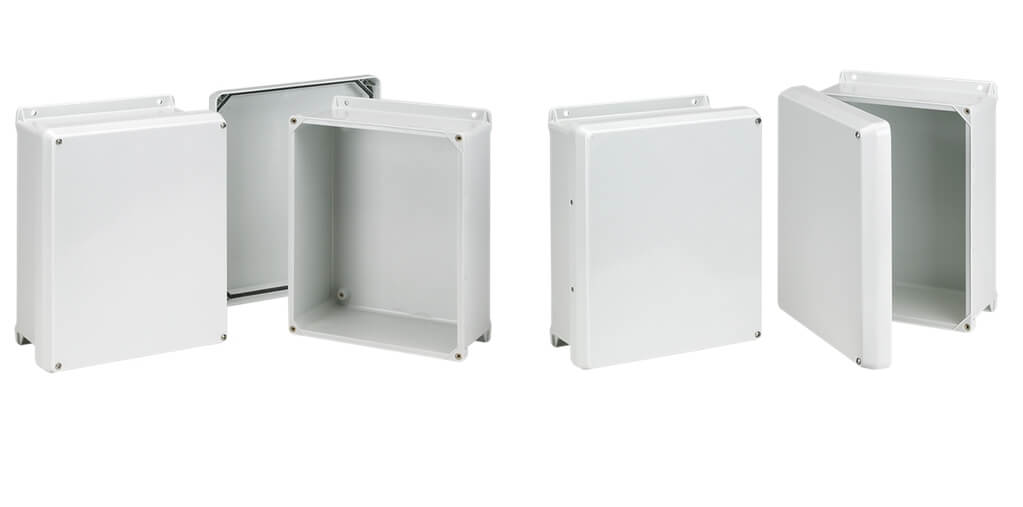
Fiberglass adalah material komposit yang terbuat dari plastik yang diperkuat dengan serat kaca. Material ini kuat dan tahan terhadap lingkungan yang keras, sehingga populer untuk aplikasi industri dan luar ruangan yang menuntut.
7.3.1 Keunggulan Kotak Listrik Fiberglass
- Kekuatan dan KetahananSangat tahan terhadap benturan, bahan kimia, dan cuaca ekstrem.
- Ketahanan KorosiIdeal untuk lingkungan luar ruangan, kelautan, atau industri.
- Tidak KonduktifMempermudah pemasangan karena menghilangkan kebutuhan akan pentanahan.
- Ketahanan terhadap Suhu Tinggi dan ApiMampu menahan suhu yang lebih tinggi daripada kebanyakan plastik dan menawarkan ketahanan api yang lebih baik.
7.3.2 Kekurangan Kotak Listrik Fiberglass
- Biaya Lebih Tinggi: Umumnya lebih mahal daripada PVC atau ABS karena kompleksitas materialnya.
- Berat: Lebih berat daripada pilihan plastik lainnya, berpotensi mempersulit pemasangan.
- KerapuhanDapat retak jika salah penanganan selama pemasangan atau terkena guncangan tiba-tiba.
8. Aplikasi Kotak Perangkat & Kotak Sambungan
Salah satu hal yang sering membingungkan adalah perbedaan antara Kotak Perangkat dan sebuah Kotak Sambungan. Berikut perbedaan profesionalnya:
-
Kotak Perangkat (“Antarmuka Pengguna”): Ini adalah aplikasi yang paling umum. Aplikasi ini dirancang untuk menampung perangkat yang berinteraksi dengan pengguna.
-
Saklar Lampu: Saklar kutub tunggal, 3 arah, atau saklar peredup.
-
Wadah: stopkontak standar, stopkontak GFCI, atau port pengisian daya USB.
-
-
Kotak Sambungan ("Hub"): Ini digunakan khusus untuk sambungan kabel perumahan.
-
Tujuan: Untuk melindungi sambungan kabel dan mencegah percikan api mencapai bahan yang mudah terbakar.
-
Aturan: Kotak sambungan harus selalu mudah diakses (jangan pernah menyembunyikannya di balik dinding kering).
-
9. Pertimbangan Utama Saat Memilih Kotak Listrik
Memilih kotak listrik yang tepat untuk suatu proyek sangat penting untuk memastikan keamanan, fungsionalitas, dan kepatuhan terhadap peraturan. Berbagai faktor harus dipertimbangkan, seperti ukuran dan kapasitas kotak, apakah akan digunakan di dalam ruangan atau di luar ruangan, pertimbangan keselamatan kebakaran, dan jumlah kabel yang perlu ditampung oleh kotak tersebut. Setiap elemen ini memengaruhi keamanan sistem listrik, kemudahan pemasangan, dan kinerja jangka panjang.
9.1 Memilih Ukuran dan Kapasitas Kotak Listrik yang Tepat
Salah satu pertimbangan terpenting saat memilih kotak listrik adalah ukuran dan kapasitasnya. Kotak listrik tersedia dalam berbagai ukuran, dan memilih ukuran yang salah dapat menyebabkan bahaya keselamatan, tantangan pemasangan, dan ketidakpatuhan terhadap kode kelistrikan.
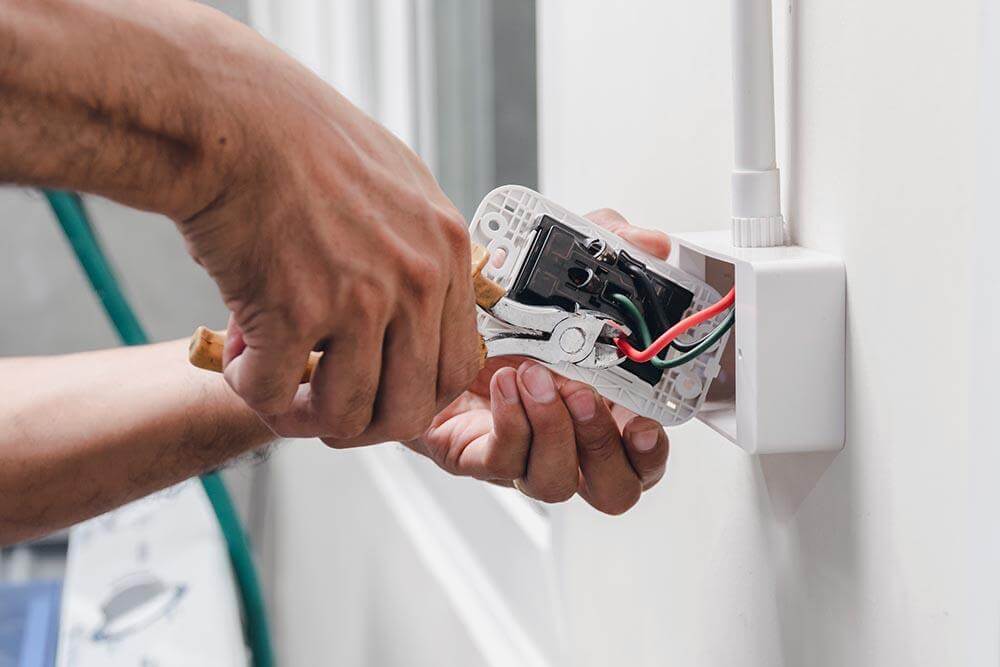
- Ukuran Kotak dan Kapasitas IsiKotak listrik harus berukuran tepat untuk menampung jumlah kabel, perangkat, dan konektor yang akan ada di dalamnya. Setiap kabel, konektor, dan perangkat di dalam kotak membutuhkan ruang dan berkontribusi pada "kapasitas isi" keseluruhan kotak. Jika kotak terlalu kecil, kabel dapat menjadi terlalu padat, yang menyebabkan panas berlebih, korsleting, dan berpotensi, kebakaran listrik. Untuk menghindari masalah ini, Kode Kelistrikan Nasional (NEC) memberikan pedoman tentang jumlah maksimum konduktor yang dapat masuk dengan aman ke dalam kotak listrik, berdasarkan ukuran dan bentuknya.
- Menentukan Jumlah KabelSaat menentukan ukuran kotak yang tepat, Anda harus memperhitungkan jumlah kabel yang akan dihubungkan di dalam kotak. Setiap konduktor yang masuk atau keluar dari kotak membutuhkan ruang tertentu, yang perlu diperhitungkan dalam perhitungan total kapasitas kotak. Pedoman NEC menyatakan bahwa setiap kabel 14-gauge membutuhkan ruang 2 inci kubik, sedangkan kabel 12-gauge membutuhkan sedikit lebih banyak, yaitu 2,25 inci kubik. Selain itu, setiap perangkat (seperti sakelar atau stopkontak) dan penjepit kabel menambah total kebutuhan kapasitas.
Penting untuk mempertimbangkan hal-hal berikut:
- KonduktorSetiap kabel yang masuk ke dalam kotak, termasuk kabel ground, harus dihitung. Konduktor harus dikelompokkan berdasarkan ukuran dan bahannya (tembaga atau aluminium), karena ukuran yang berbeda menempati volume yang berbeda.
- PerangkatSetiap sakelar, stopkontak, atau outlet GFCI yang dipasang di dalam kotak membutuhkan ruang tambahan. Semakin besar perangkatnya, semakin banyak volume yang ditempatinya.
- Mur dan Konektor KawatSegala jenis mur kawat, konektor, atau kabel pendek di dalam kotak juga memakan ruang dan harus dipertimbangkan saat menghitung total pengisian.
Pedoman Umum untuk Ukuran Kotak:
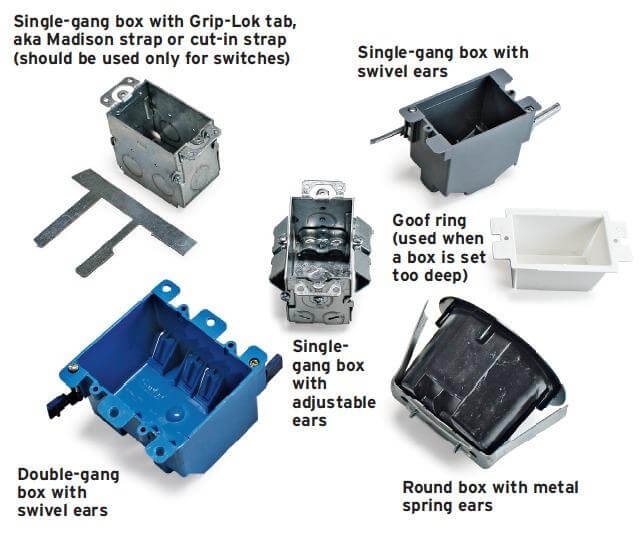
- Kotak Sakelar Tunggal: Biasanya digunakan untuk satu sakelar atau stopkontak, kotak ini memiliki volume 12-18 inci kubik dan dapat menampung sejumlah kabel yang terbatas.
- Kotak Ganda: Dirancang untuk dua perangkat, kotak ini menyediakan ruang 20-30 inci kubik, cukup untuk menampung lebih banyak konduktor dan konektor.
- Kotak Multi-Gang: Untuk instalasi dengan banyak perangkat, kotak multi-gang menawarkan volume 30-60 inci kubik atau lebih, tergantung pada jumlah perangkat.
Memilih kotak yang dapat menampung jumlah kabel dan perangkat memastikan instalasi yang lebih aman dan membantu memenuhi persyaratan kepatuhan NEC.
9.2 Persyaratan Kotak Listrik Dalam Ruangan vs. Luar Ruangan
Pertimbangan penting lainnya adalah apakah kotak listrik akan dipasang di dalam ruangan atau di luar ruangan. Setiap lingkungan menghadirkan tantangan yang berbeda, dan kotak listrik harus sesuai dengan kondisi tempat kotak tersebut akan digunakan.
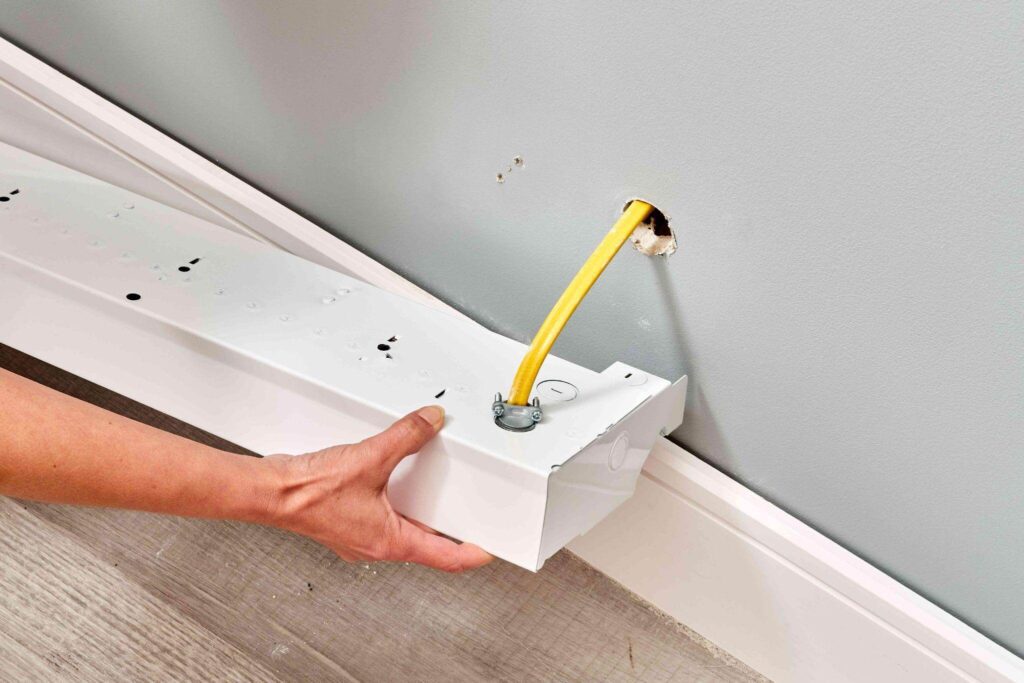
9.2.1 Kotak Listrik Dalam Ruangan
- Penggunaan UmumKotak listrik dalam ruangan biasanya digunakan di lingkungan yang terkontrol seperti rumah, kantor, atau bangunan komersial. Kotak-kotak ini sering terbuat dari plastik (PVC, ABS) atau logam dan tidak dirancang untuk tahan terhadap cuaca buruk atau suhu ekstrem.
- Persyaratan KodeKotak listrik dalam ruangan harus memenuhi pedoman NEC terkait lokasi pemasangan, ukuran kotak, dan pentanahan. Bahkan di lingkungan dalam ruangan, penting untuk memastikan bahwa kotak tersebut dapat menampung jumlah kabel yang diperlukan untuk menghindari kepadatan berlebih.
- Perlindungan KelembapanDi area seperti dapur dan kamar mandi, kelembapan masih dapat menimbulkan risiko. Kotak listrik di lokasi ini harus dilindungi menggunakan stopkontak pemutus sirkuit gangguan tanah (GFCI) atau dengan menyegelnya dengan benar untuk mencegah masuknya air, yang dapat menyebabkan bahaya listrik.
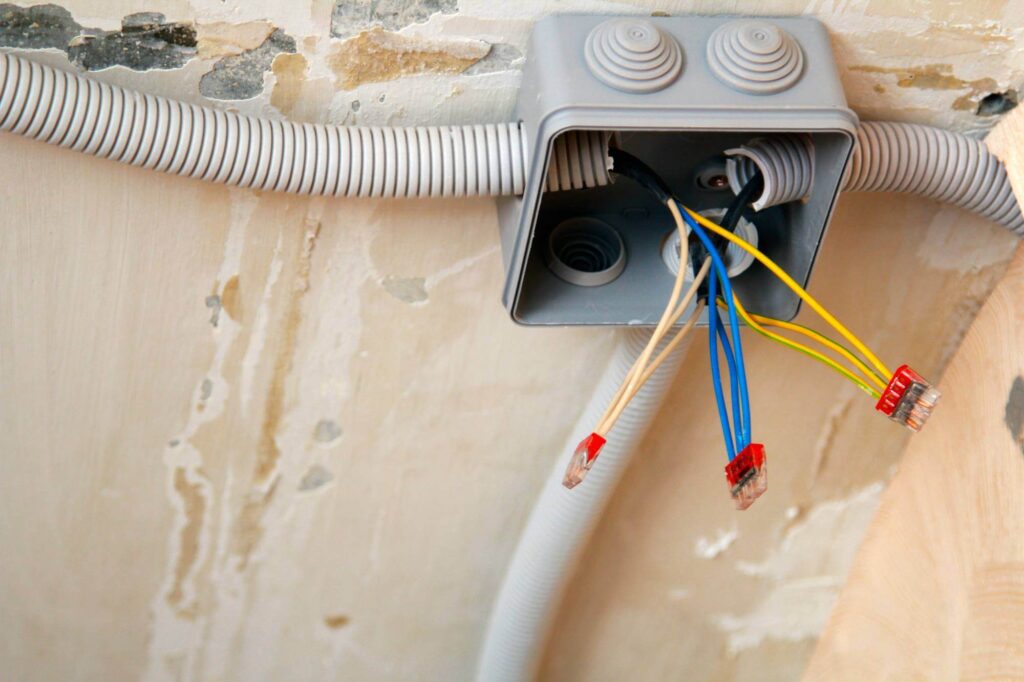
9.2.2 Kotak Listrik Luar Ruangan
- Tahan cuacaKotak listrik luar ruangan dirancang untuk tahan terhadap paparan cuaca, termasuk hujan, salju, dan fluktuasi suhu. Kotak-kotak ini biasanya terbuat dari bahan tahan korosi, seperti baja tahan karat, aluminium, atau plastik tahan lama, dan dilengkapi dengan gasket dan segel untuk mencegah masuknya air.
- Peringkat NEMA dan IPKotak luar ruangan harus memenuhi standar National Electrical Manufacturers Association (NEMA) atau peringkat Ingress Protection (IP) untuk memastikan perlindungan yang memadai terhadap kelembapan, debu, dan kotoran. Misalnya, peringkat NEMA 3R atau NEMA 4X menunjukkan bahwa kotak tersebut cocok untuk penggunaan di luar ruangan dan tahan terhadap air dan korosi.
- Ketahanan SuhuKotak penyimpanan luar ruangan harus mampu menahan suhu ekstrem, baik panas maupun dingin. Di lingkungan ekstrem, kotak logam mungkin lebih disukai daripada plastik karena daya tahannya dan kemampuannya untuk menghilangkan panas.
- Perlindungan GFCIKotak listrik luar ruangan harus dilengkapi dengan stopkontak GFCI untuk melindungi dari gangguan arus tanah. Stopkontak ini sangat penting, terutama di lingkungan luar ruangan di mana kelembapan menjadi masalah.
10. Critical Installation & Procurement Failures to Avoid

Relying on subpar materials or ignoring specific electrical codes will erode a contractor’s profit margins through failed inspections and post-installation replacements. Here are the top 5 failures to avoid:
- NEC Box Fill Code Violations (Thermal Hazards): Shoving too many conductors into an undersized box is the #1 reason for failed inspections. Overfilling violates NEC Article 314.16, restricts heat dissipation, and causes wire insulation to melt.
- Material Failure in Extreme Environments: In direct sunlight, non-UV stabilized boxes will chalk and shatter. In winter underground trenching, inferior boxes brittle and crack upon impact. Always specify impact resistance and UV stability.
- Thread Stripping and Locknut Slippage: Standard rigid couplings stripping the threads of poorly manufactured PVC box KO is a common headache. Precision-molded tolerances are required to ensure pull-resistant connections.
- Inadequate IP/NEMA Ratings for Wet Locations: Using standard indoor boxes for outdoor applications leads to water ingress. Exterior projects demand seamless, gasketed enclosures meeting NEMA 4X or NEMA 6P standards.
- Using Non-Fire-Rated Enclosures: In critical infrastructure, fire propagation is a massive liability. Installing boxes that lack the UL 94 V-0 self-extinguishing rating can turn a small spark into a catastrophic structural fire.
10.1 Contractor Quick Reference: Failures & Solutions
| Common Site Failure | Consequence on Job Site | The Ctube Engineering Solution |
|---|---|---|
| Exceeding Volume Capacity | Failed inspection, thermal hazard. | Clearly stamped volumetric capacity for easy NEC compliance. |
| Cold Weather Brittleness | Shattered boxes during winter install. | High-impact virgin PVC, tested to -10°C without fracturing. |
| Thread Stripping | Loose conduit, lost labor time. | Precision-machined knockouts & compatible terminal adapters. |
| UV Degradation (Sunlight) | Box disintegrates after 1-2 years. | 1440-hour UV aging tests passed; ideal for solar/EV setups. |
| Fire Propagation | Massive liability, failed code. | UL 94 V-0, 5VA & FT4 fire retardant (self-extinguishing). |
11. Memahami Peringkat dan Standar Kepatuhan untuk Kotak Listrik
Saat memilih kotak listrik, sangat penting untuk memastikan kotak tersebut memenuhi peringkat dan standar yang dibutuhkan untuk menjamin keamanan, kinerja, dan kepatuhan. Kotak listrik sering menghadapi kondisi lingkungan yang keras, seperti debu, kelembapan, dan benturan fisik, sehingga peringkatnya mencerminkan daya tahan dan kemampuan perlindungannya. Bagian ini akan membahas peringkat dan standar paling penting yang diterapkan pada kotak listrik, termasuk IP, NEMA, UL, dan NEC.
11.1 Peringkat IP Umum untuk Kotak Listrik
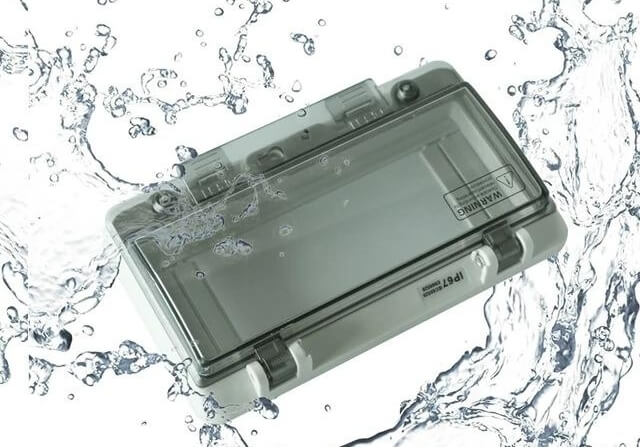
IP65Kedap debu dan terlindungi dari semburan air bertekanan rendah dari segala arah. Peringkat ini umum untuk kotak luar ruangan dan industri.
IP66Kedap debu dan terlindungi dari semburan air yang kuat, sehingga cocok untuk lingkungan yang lebih keras seperti kawasan industri atau pesisir.
IP67Kedap debu dan tahan terhadap perendaman dalam air hingga kedalaman 1 meter untuk waktu singkat, ideal untuk lokasi di mana perendaman sementara dimungkinkan.
Terkadang kita melihat huruf lain setelah angka kedua yang merujuk pada perlindungan lain.
F = Tahan minyak
H = Peralatan tegangan tinggi
M = Gerakan selama pengujian air
S = Diam selama pengujian air
W = Kondisi cuaca
Huruf K ditentukan dalam ISO 20653 (menggantikan DIN 40050-9) dan tidak dalam IEC 60529.
11.2 Penjelasan Peringkat NEMA untuk Kotak Listrik
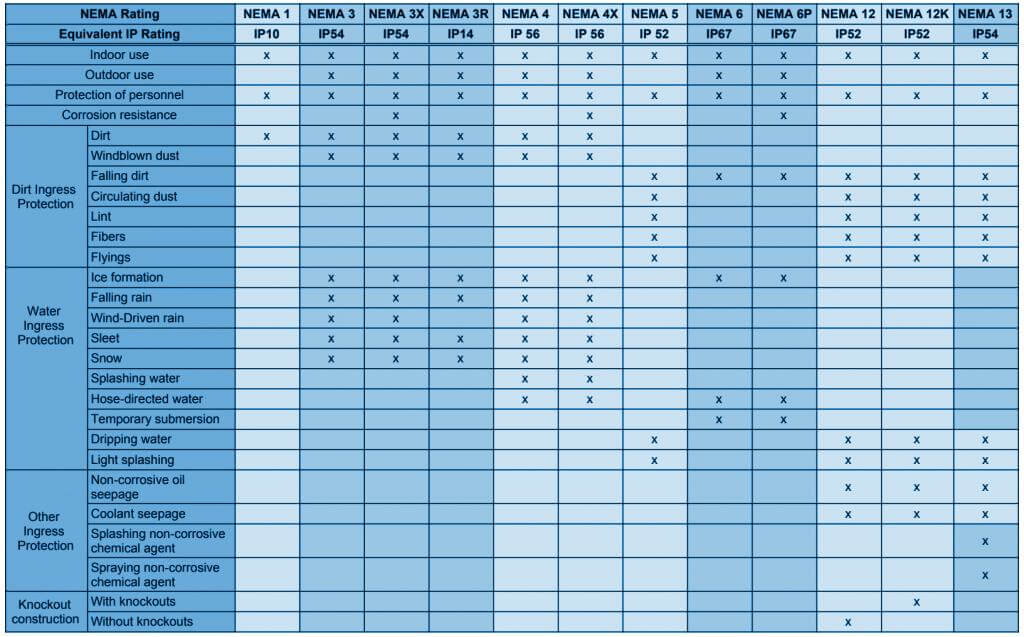
Asosiasi Produsen Peralatan Listrik Nasional (NEMA) menyediakan sistem peringkat standar yang mendefinisikan tingkat perlindungan yang ditawarkan kotak listrik terhadap kondisi lingkungan. Peringkat NEMA paling umum digunakan di Amerika Utara dan menggambarkan kemampuan kotak tersebut untuk melindungi komponen listrik. melindungi dari bahaya seperti debu, kotoran, air, minyak, dan bahan korosif..
11.3 Pentingnya Peringkat UL untuk Kotak Listrik
Underwriters Laboratories (UL) adalah organisasi sertifikasi keselamatan independen yang menguji dan mensertifikasi produk, termasuk kotak listrik, untuk memastikan produk tersebut memenuhi standar keselamatan yang ketat. Kotak listrik terdaftar UL disetujui untuk penggunaan dan lingkungan tertentu, memberikan ketenangan pikiran kepada pengguna bahwa produk tersebut sesuai dengan standar keselamatan yang diakui.
| Jenis UL | Kotak Pelindung Bersertifikasi UL |
| Tipe 1 | Hanya untuk penggunaan di dalam ruangan. Pelindung ini memberikan perlindungan terhadap kontak dengan peralatan listrik yang tertutup dan terhadap sejumlah kecil kotoran yang jatuh. |
| Tipe 2 | Hanya untuk penggunaan di dalam ruangan. Produk ini memberikan perlindungan terhadap tetesan air dan kotoran yang jatuh dalam jumlah terbatas. |
| Tipe 3 | Untuk penggunaan di dalam atau di luar ruangan. Memberikan perlindungan terhadap debu yang terbawa angin, hujan, dan hujan es. Semua mekanisme listrik eksternal tetap berfungsi meskipun tertutup es. |
| Tipe 3R | Untuk penggunaan di dalam atau di luar ruangan. Memberikan perlindungan terhadap hujan dan hujan es. Peralatan listrik tetap tidak rusak akibat pembentukan es pada penutup. |
| Tipe 3S | Untuk penggunaan di dalam atau di luar ruangan. Memberikan perlindungan terhadap debu yang terbawa angin, hujan, dan hujan es. Peralatan listrik tetap tidak rusak akibat pembentukan es pada penutup. |
| Tipe 4 | Untuk penggunaan di dalam atau di luar ruangan. Memberikan perlindungan terhadap cipratan air, debu yang terbawa angin atau hujan, dan air yang disemprotkan dari selang. Peralatan listrik tetap tidak rusak akibat pembentukan es pada penutup. |
| Tipe 4X | Untuk penggunaan di dalam atau di luar ruangan. Memberikan perlindungan terhadap cipratan air, debu yang terbawa angin atau hujan, dan air yang disemprotkan dari selang. Peralatan listrik tetap tidak rusak akibat pembentukan es pada penutup. Selain itu, juga tahan terhadap korosi. |
| Tipe 6 | Untuk penggunaan di dalam atau di luar ruangan. Memberikan perlindungan terhadap masuknya air selama terendam sementara pada kedalaman terbatas. Peralatan listrik tetap tidak rusak akibat pembentukan es pada penutup. |
| Tipe 6P | Untuk penggunaan di dalam atau di luar ruangan. Memberikan perlindungan terhadap masuknya air selama terendam dalam waktu lama pada kedalaman terbatas. |
| Tipe 11 | Untuk penggunaan di dalam ruangan. Produk ini memberikan perlindungan terhadap peralatan listrik tertutup dari efek korosif cairan dan gas korosif. |
| Tipe 12 | Untuk penggunaan di dalam ruangan. Memberikan perlindungan terhadap debu, kotoran yang jatuh, dan cairan non-korosif yang menetes. |
| Tipe 12K | Untuk penggunaan di dalam ruangan. Memberikan perlindungan terhadap debu, kotoran yang jatuh, dan cairan non-korosif yang menetes. Dibuat dengan lubang untuk kabel. |
| Tipe 13 | Untuk penggunaan di dalam ruangan. Memberikan perlindungan terhadap debu dan cipratan air, minyak, dan cairan pendingin yang tidak korosif. |
11.4 Pemilihan yang Spesifik untuk Lingkungan: Di Mana Menggunakan Apa?
Lingkungan menentukan peringkat “NEMA” atau “IP” yang dibutuhkan untuk kotak Anda.
-
Kotak Kerja Baru: Terpasang pada paku sebelum Dinding gipsum dipasang. Dinding gipsum ini dilengkapi dengan paku atau braket terintegrasi.
-
Kotak Pekerjaan Lama (Renovasi): Produk ini menggunakan "sayap ayun" untuk mencengkeram dinding gipsum, sangat cocok untuk menambahkan stopkontak ke dinding yang sudah ada.
-
Kotak Batu Bata: Dirancang untuk digunakan pada dinding bata atau blok beton; alat ini lebih dalam dan lebih kokoh untuk menangani proses pemasangan pasangan bata.
-
Kotak Tahan Cuaca (Luar Ruangan): Seringkali terbuat dari aluminium cor atau PVC tugas berat (seperti lini khusus Ctube), selang ini memerlukan gasket dan penutup "saat digunakan" untuk mencegah air masuk.
12. Why MEP Contractors & Wholesalers Partner with Ctube
For large-scale infrastructure, commercial developments, and international distribution, bulk procurement requires more than just low prices—it demands unwavering supply chain reliability. Here is why top-tier distributors choose Ctube as their primary manufacturer:
- 100% Virgin Imported Raw Materials: We refuse to engage in the “race to the bottom” using recycled (regrind) plastics. Our PVC boxes are manufactured using premium imported virgin resins, ensuring maximum impact resistance and eliminating the hidden costs of on-site breakage.
- Unmatched Fire & UV Ratings (Solar & EV Ready): As outdoor installations surge, our enclosures meet rigorous UL 94 V-0 / 5VA and FT4 ratings. Furthermore, our products pass extreme 1440-hour UV aging tests, ensuring long-term stability.
- Strict Code Compliance (UL 651 / UL 514C / AS/NZS): Certification is the passport of B2B trade. Our factory maintains authentic, globally recognized laboratory test data, ensuring every batch passes local inspector scrutiny.
- Cost Efficiency in Bulk (Factory-Direct): By sourcing directly from our state-of-the-art manufacturing facilities, wholesalers bypass exorbitant local markups, significantly lowering the total cost of ownership for massive infrastructure projects.
- Customization for Regional Markets: We understand global standards. Whether you need standard grey Schedule 40 vs Schedule 80 boxes for North America, or distinct orange/white configurations for the Australian (AS/NZS 2053) market, our global customization capabilities have you covered.
- System Integration (Conduit + Fittings + Boxes): We provide a complete ecosystem. Sourcing your conduit, fittings, and boxes from one factory guarantees 100% compatibility, preventing the locknut slippage issues common with mixed-brand assemblies.
- One-Stop Plumbing & Electrical Systems: Reduce your vendor management overhead. Beyond electrical PVC, Ctube proudly offers high-performance PPR and PE-RT pipe and fittings for plumbing applications. Wholesalers can now consolidate their shipments and cross-sell both electrical routing and water systems.
13. Ctube Electrical Box Solutions
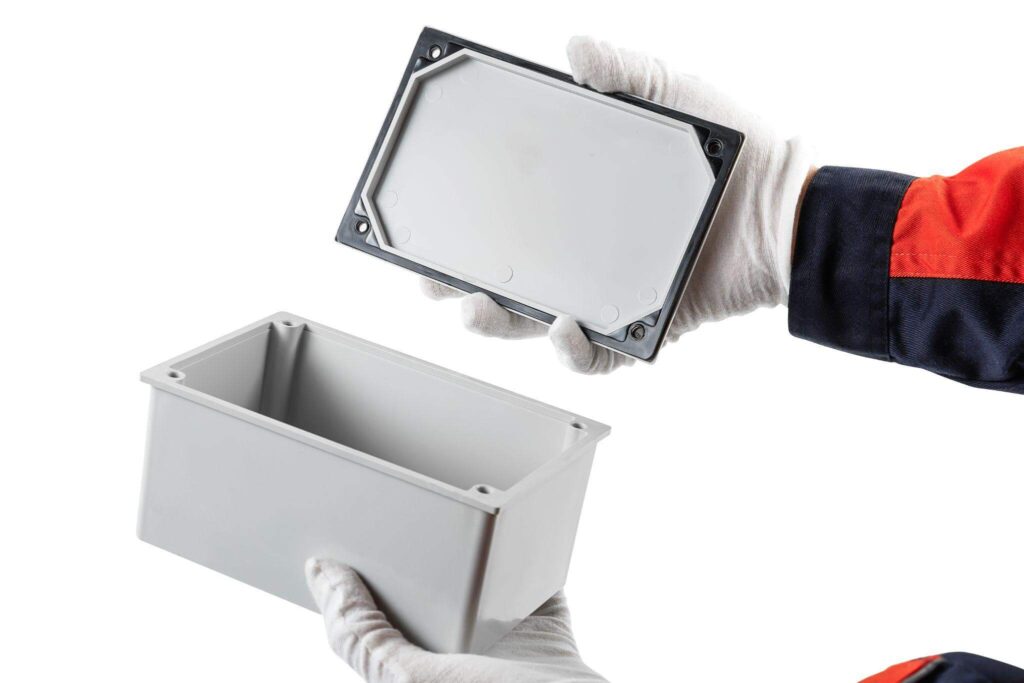
Ctube menawarkan rangkaian lengkap kotak listrik berkualitas tinggi, termasuk kotak sakelar, kotak sambungan melingkar, Dan kotak yang dapat disesuaikan. Semua kotak ini dirancang dengan cermat untuk memenuhi standar industri yang relevan, sehingga menjamin keamanan dan keandalan maksimal.
Kotak listrik kami memiliki peringkat tahan api V0, sehingga tahan terhadap api, menjamin perlindungan yang lebih baik dalam situasi kritis. Selain itu, kotak listrik ini menggunakan material tahan air dan terlindungi dari sinar UV, memberikan daya tahan dan kinerja yang optimal baik di lingkungan dalam maupun luar ruangan.
Untuk kebutuhan khusus, Ctube menawarkan kotak seri rendah asap bebas halogen dan seri tenaga surya. Seri rendah asap bebas halogen ideal untuk area di mana pengurangan emisi beracun sangat penting, sementara seri tenaga surya dirancang untuk penggunaan luar ruangan jangka panjang, menawarkan ketahanan yang lebih besar terhadap paparan sinar UV.
14. FAQs
Bagaimana cara memilih ukuran kotak listrik yang tepat untuk proyek saya?
Untuk memilih ukuran kotak listrik yang tepat, pertimbangkan jumlah kabel, perangkat (seperti sakelar atau stopkontak), dan kapasitas kotak. Kode Kelistrikan Nasional (NEC) memberikan pedoman, seperti setiap kabel 14-gauge membutuhkan sekitar 2 inci kubik ruang. Pastikan kotak cukup besar untuk menghindari kepadatan berlebih, yang dapat menyebabkan panas berlebih. Untuk area luar ruangan atau area yang rawan lembap, gunakan kotak tahan cuaca. Jika kemungkinan akan ada perluasan di masa mendatang, pilih kotak dengan kapasitas ekstra. Selalu periksa apakah kotak tersebut memenuhi standar keselamatan NEC.
Apakah kotak sambungan listrik bisa disembunyikan?
Menurut Pasal 314 Kode Kelistrikan Nasional (NEC), kotak sambungan listrik harus tetap dapat diakses untuk pemeliharaan, perbaikan, dan inspeksi. Ini berarti kotak tersebut tidak boleh disembunyikan secara permanen di balik dinding, langit-langit, lantai, atau struktur lainnya. Alasan utama dari aturan ini adalah keselamatan—kotak sambungan berisi koneksi kabel, dan jika terjadi masalah, seperti koneksi longgar atau korsleting, kotak tersebut harus dapat diakses untuk mengatasi masalah tersebut.
Jika kotak sambungan tersembunyi di balik permukaan, akan sulit untuk memeriksa atau memperbaiki kabel tanpa memotong material tersebut, yang dapat menyebabkan bahaya tambahan atau bahkan melanggar peraturan bangunan setempat. Untuk memastikan kepatuhan, kotak sambungan harus ditempatkan di tempat yang mudah diakses atau memiliki penutup yang dapat dilepas tanpa merusak dinding atau struktur. Namun, kotak sambungan dapat disembunyikan oleh panel, kabinet, atau pintu akses yang dapat dilepas, selama tidak terhalang secara permanen.
Bisakah Kotak Adaptif Digunakan untuk Memperpanjang Sirkuit Listrik?
Ya, kotak yang dapat disesuaikan dapat memperpanjang sistem saluran listrik. Kotak ini memungkinkan saluran tambahan untuk dihubungkan, menciptakan perluasan sistem yang mulus. Di dalam kotak, sambungan kabel terlindungi dengan aman dari kelembapan, debu, dan kerusakan fisik. Ini sangat berguna saat mengubah arah saluran, bercabang ke area baru, atau menambahkan peralatan baru.
Dengan menyediakan banyak titik masuk untuk saluran kabel, kotak yang dapat disesuaikan juga menawarkan fleksibilitas dalam desain sistem sekaligus memastikan kepatuhan terhadap peraturan keselamatan. Kotak ini membantu membuat modifikasi atau perluasan di masa mendatang menjadi lebih mudah dan aman.
Bisakah saya menggunakan kotak plastik dengan pipa logam?
Secara umum, tidak. Sistem saluran logam mengandalkan kotak untuk mempertahankan jalur pentanahan yang kontinu. Kotak plastik tidak menyediakan kontinuitas ini.
Apa jenis kotak terbaik untuk kipas langit-langit?
Anda harus menggunakan kotak yang secara khusus diberi peringkat "Fan Rated" (Dirancang untuk Kipas). Kotak langit-langit standar tidak dapat menahan beban dinamis dan getaran kipas yang berputar.
Mengapa Ctube merekomendasikan PVC untuk kotak sambungan bawah tanah?
Tidak seperti logam, PVC tidak akan pernah berkarat saat terkena kelembapan tanah atau bahan kimia, sehingga menjamin perlindungan seumur hidup untuk sambungan bawah tanah.
Do I need to ground a PVC junction box?
No. PVC is non-conductive, so the box itself does not require bonding. However, you must route an Equipment Grounding Conductor (EGC) through the conduit and splice it properly inside to maintain the ground path.
Can I use standard indoor PVC boxes for outdoor direct sunlight applications?
No. Standard PVC will suffer from UV degradation. You must specify UV-stabilized PVC boxes (like Ctube's 1440-hour tested units) and use proper expansion fittings to accommodate thermal expansion.
Why do my threads strip when entering the back of a PVC box?
This occurs with poorly molded knockouts. Always use a proper male terminal adapter with a plastic bushing or specific PVC locknuts designed for the wall thickness of the box.
Will PVC electrical boxes crack during winter installations?
Cheap boxes made from regrind plastic will. High-quality virgin PVC boxes are engineered with impact modifiers to withstand handling in temperatures as low as -10°C.
How do inspectors calculate box fill for PVC boxes?
Inspectors strictly follow NEC Article 314.16. They check the volume marked on the inside of the box and calculate the total space needed for every conductor and device to ensure it doesn't exceed thermal limits.
What is the difference between Schedule 40 and Schedule 80 PVC electrical boxes?
Schedule 40 vs Schedule 80 comes down to wall thickness. Schedule 80 enclosures have thicker walls, offering superior mechanical protection and impact resistance in areas subject to physical damage.
What is the fire rating of Ctube PVC electrical boxes?
Ctube boxes are highly flame-retardant, achieving UL 94 V-0, 5VA, and FT4 ratings. They are self-extinguishing and will not support combustion.
Can a PVC electrical box support a heavy ceiling fan?
A standard PVC box cannot. You must use a specifically designed, UL-listed "Fan-Rated" box that includes structural metal brackets tied directly to the ceiling joists.
What is a "Utility Box" vs. a Junction Box?
A utility box (handy box) is typically a surface-mounted, single-gang box for switches in exposed work areas. A junction box is designed to enclose wire splices and intersect multiple conduit runs.
How long do PVC electrical boxes last underground?
When properly installed below the frost line and manufactured from virgin PVC, these boxes can last 50+ years, as they are completely impervious to soil corrosion, rust, and moisture.



 English
  French
  Spanish
  German
  Arabic
  Indonesian
  Vietnamese