
1. Definition and Standard Introduction of Pipa Nonlogam Listrik
In the ever-evolving landscape of electrical infrastructure, the choice of conduit stands as a critical decision affecting the efficiency, durability, and safety of installations. Conduits serve as essential pathways, shielding electrical wiring from physical damage, moisture, and other environmental hazards. Among the diverse conduit options available, Electrical Nonmetallic Tubing (ENT) has garnered significant attention for its versatility and practicality.
This article aims to provide a comprehensive exploration of ENT, highlighting its defining characteristics, benefits, and diverse applications. By delving into its advantages over traditional metal conduits and offering practical insights into installation techniques, we aim to equip readers with the knowledge necessary to make informed decisions in electrical infrastructure projects.
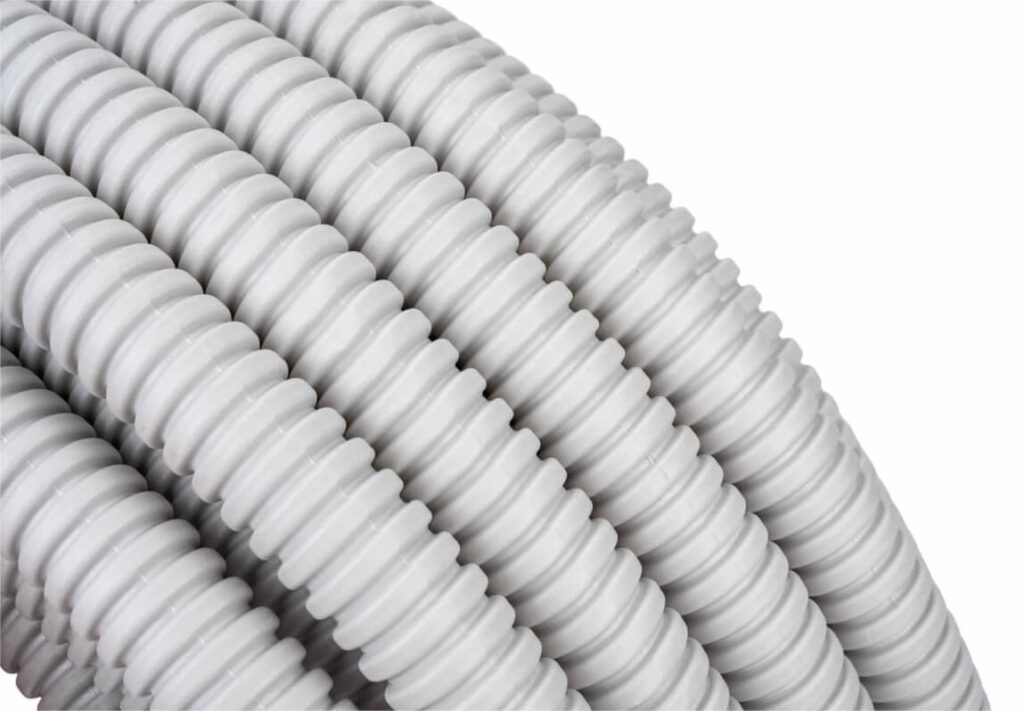
1.1 Definition
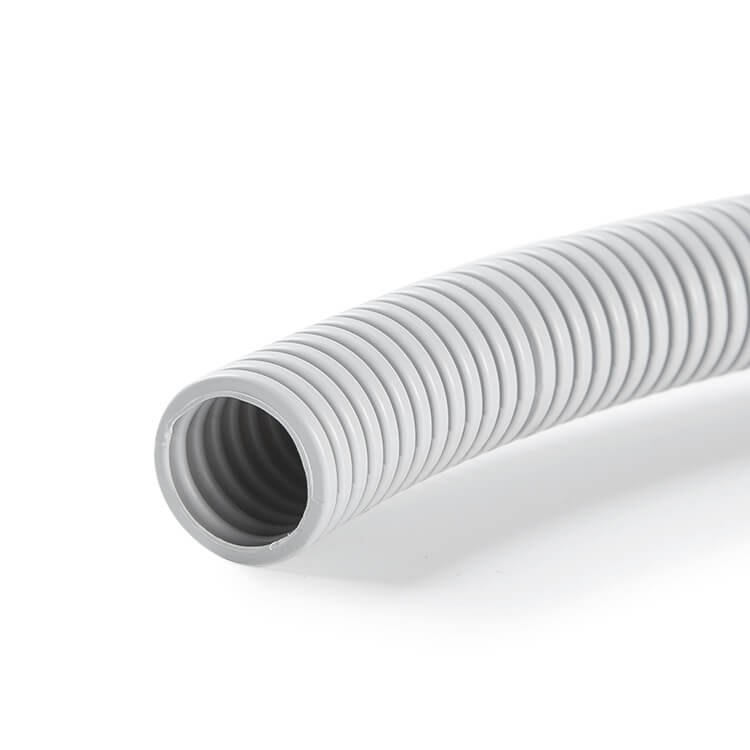
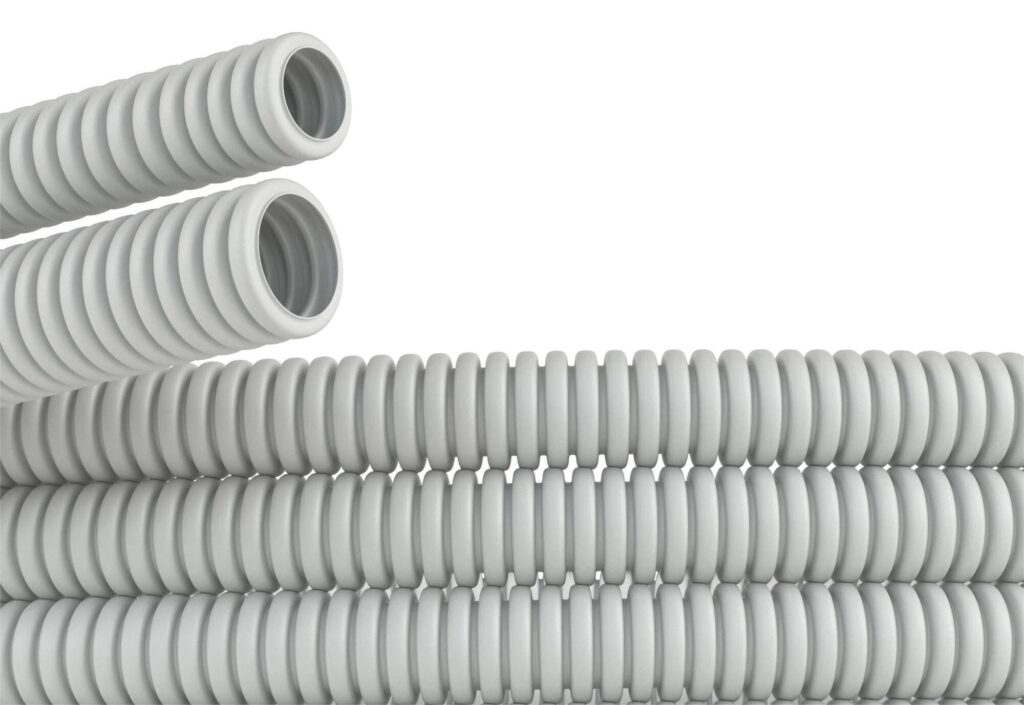
ENT is designed to protect and route electrical wires in various building types, ENT distinguishes itself with its flexibility, lightweight nature, and resistance to corrosion. Its ability to bend and adapt to complex installations makes it an ideal choice for both residential and commercial projects alike.
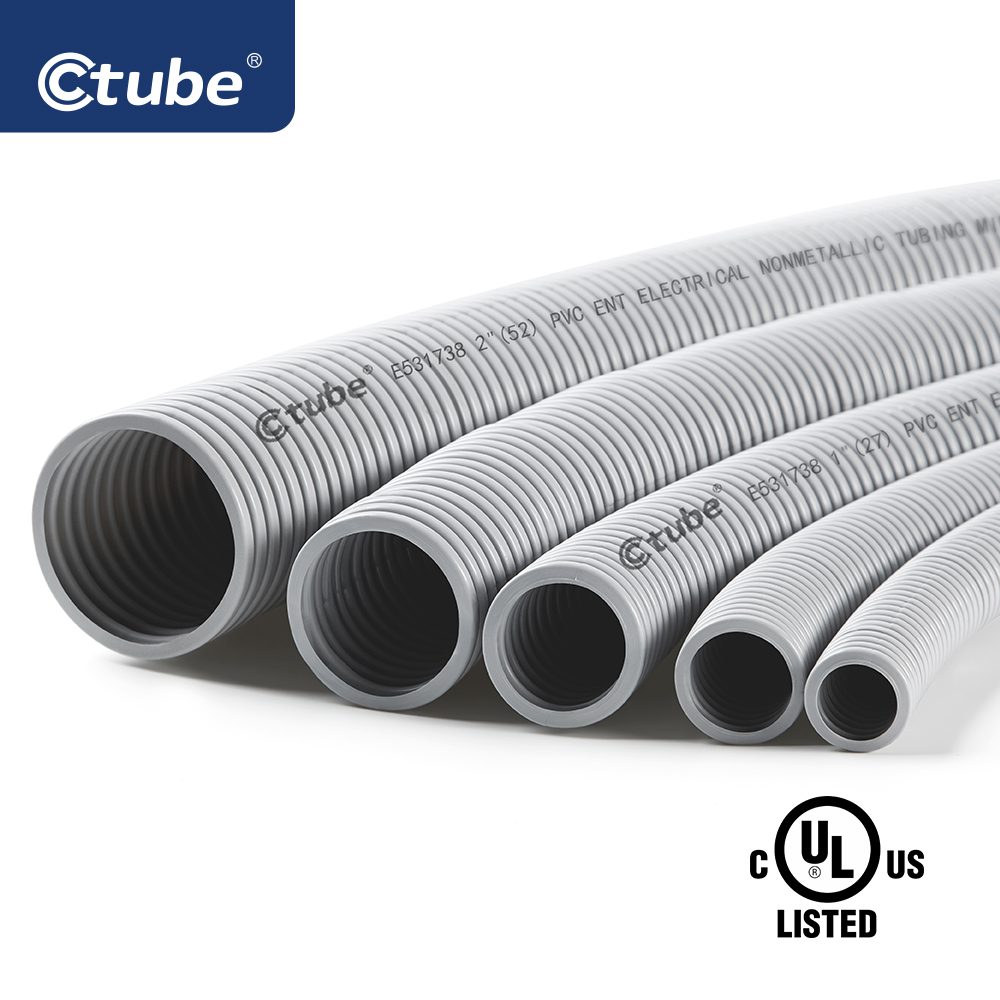
Electrical Nonmetallic Tubing (ENT) is a flexible, corrugated electrical conduit available in diameters ranging from 1/2 inch to 2 inches (13 mm to 51 mm), typically made of PVC. According to the NEC, inside buildings with a maximum of three floors, ENT is generally hidden within walls, floors, or ceilings, though it can be left exposed if it is not at risk of mechanical damage. For structures taller than three stories, ENT must be concealed, and this concealment must meet a 15-minute finish rating requirement.
1.2 Standard Introduction
The certification and testing standards required for Electrical Nonmetallic Tubing (ENT) can vary depending on the region and specific electrical codes. However, here are some commonly referenced standards and tests for ENT.
1.2.1 UL 1653
UL 1653 is the recognized standard for Electrical Nonmetallic Tubing (ENT). This standard outlines the safety and performance requirements for ENT products, including specifications for dimensions, construction, materials, and testing methodologies.
1.2.2 CSA C22.2 No. 227.1
CSA C22.2 No. 227.1 is a Canadian standard that specifies the requirements for nonmetallic tubing used in electrical installations, including ENT. This standard covers aspects such as materials, construction, dimensions, performance, and relevant testing methods.
1.2.3 FT4 Flame Test
Although not exclusive to ENT, the FT4 test is a crucial fire resistance test used to evaluate the flame spread characteristics of cables that may be installed within or alongside ENT conduits. This test, part of the Canadian Standards Association (CSA) standard C22.2 No. 0.3, assesses flame spread by subjecting cables to a vertical flame ignition source, measuring the cable’s resistance to flame propagation and its potential to contribute to fire spread in vertical installations.
1.2.4 National Electrical Code (NEC)
The NEC is a widely adopted standard in the United States that provides comprehensive guidelines for electrical installations. It includes specific requirements for conduit usage, including ENT, covering aspects such as proper sizing, installation methods, and grounding to ensure safe and compliant electrical systems.
1.2.5 NEMA TC-13
NEMA TC-13 stands for the National Electrical Manufacturers Association’s Technical Committee 13. It is responsible for developing standards for electrical nonmetallic tubing (ENT), which is a type of conduit used to protect and route electrical wires and cables. The purpose of NEMA TC-13 standards is to ensure the safety and reliability of ENT products. These standards are used by manufacturers, distributors, installers, and inspectors to ensure that ENT products meet the minimum requirements for safety and performance.
Ensuring compliance with these standards and obtaining the relevant certifications is crucial when selecting ENT conduits. Compliance guarantees that ENT products are safe and reliable, performing as expected under specified conditions. Additionally, adherence to local and international electrical codes and standards is often legally required, ensuring that installations meet regulatory requirements.
By meeting these certification standards, manufacturers can assure customers and regulatory bodies of their products’ quality and durability, providing confidence in their use for various electrical installations.
2. Manufacturing Process and Quality Control of ENT Conduit
2.1 Production Process of ENT Conduit
The production of ENT conduit involves an extrusion process, utilizing several key materials and equipment:
2.1.1 Materials Used
1. PVC resin: The primary raw material that provides structural integrity and strength to the conduit.
2. Stabilizers: Additives that enhance the stability and durability of PVC, ensuring it can withstand environmental stresses and maintain its properties over time.
3. Plasticizers: Substances added to PVC to improve its flexibility, allowing ENT to bend and adapt during installation without cracking or breaking.
4. Lubricants: Used to facilitate the extrusion process, reducing friction and ensuring smooth material flow through the machinery.
5. Pigments: Optional additives for coloration, used to achieve the desired color options of ENT conduit.
2.1.2 Production Steps
1. Preparation: Raw materials such as PVC resin, stabilizers, plasticizers, lubricants, and pigments are carefully measured and mixed according to specific formulations to achieve the desired properties.
2. Extrusion: The mixed materials are fed into a PVC extruder, where they are heated and melted into a molten state. The molten PVC is then forced through an extrusion die, which shapes it into the desired conduit profile, such as round or oval shapes.
3. Cooling: As the extruded conduit emerges from the die, it passes through a cooling system. This system rapidly cools the PVC to solidify it into the final conduit shape, ensuring structural integrity and dimensional accuracy.
4. Cutting and Sizing: After cooling, the conduit is cut to the required lengths using cutting equipment and undergoes sizing processes to meet precise diameter specifications. This ensures compatibility with fittings and facilitates ease of installation.
5. Printing (if applicable): If product information, specifications, or markings are required on the conduit, printing equipment can be used to apply these details, providing necessary identification and compliance information.
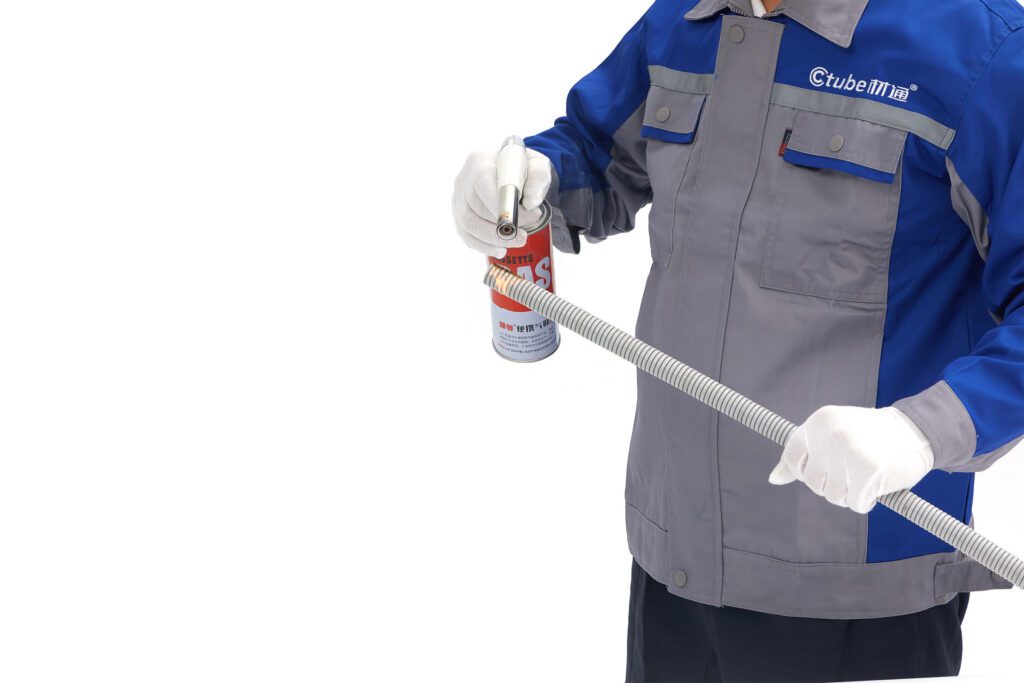
2.2 Quality Control Measures
To ensure the reliability and safety of Electrical Nonmetallic Tubing (ENT) conduit, stringent quality control measures are implemented throughout the manufacturing process. These measures are designed to verify that each product meets industry standards and performs reliably under various conditions:
2.2.1 Dimensional Checks
– Precise Measurements: Each conduit undergoes rigorous inspections using advanced measurement tools to verify compliance with specified diameter and length requirements.
– Regular Sampling: Conduits are sampled at regular intervals during production to ensure ongoing compliance with dimensional standards.
2.2.2 Performance Testing
– Tensile Strength: Samples of the conduit material are tested for tensile strength to ensure they can withstand the mechanical stresses encountered during installation and use.
– Flexibility: Flexibility tests are conducted to verify that the conduits can bend and flex without cracking or breaking, ensuring they can be installed in various configurations.
– Impact Resistance: The conduits are subjected to impact resistance tests to confirm their ability to endure physical shocks and impacts without sustaining damage.
2.2.3 Environmental Testing
– UV Exposure: Conduits are tested for resistance to ultraviolet (UV) radiation to ensure they can withstand prolonged exposure to sunlight without degrading.
– Moisture Resistance: Tests are performed to assess the conduits’ resistance to moisture and water infiltration, ensuring they remain functional in damp or wet environments.
– Temperature Fluctuations: Conduits are subjected to extreme temperature variations to evaluate their performance in both hot and cold conditions, ensuring they do not become brittle or deform.
– Chemical Exposure: Chemical resistance tests are conducted to ensure that the conduits can withstand exposure to common chemicals without deteriorating, making them suitable for industrial applications.
2.2.4 Compliance Verification
– Industry Standards: Finished products are rigorously evaluated against industry standards, such as those outlined in UL 1653 and CSA C22.2 No. 227.1, to confirm they meet all required safety and performance criteria.
– Regulatory Requirements: Compliance with regulatory requirements, including those set forth by the National Electrical Code (NEC), is verified to ensure the conduits are approved for use in electrical installations.
2.3 Installation Precautions
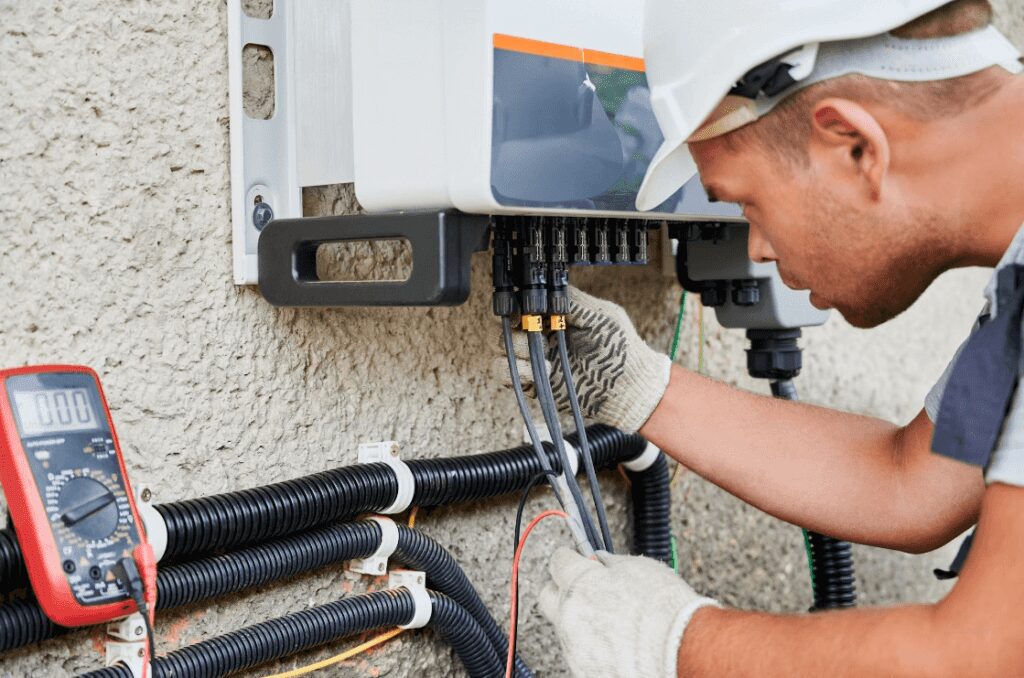
The installation of Electrical Nonmetallic Tubing (ENT) must adhere to specific guidelines to ensure safety and compliance with local code. According to the National Electrical Code (NEC), ENT is required to be installed as a complete system following the stipulations.
2.3.1 Sizes and number of conductors
Sizes chosen should be according to the code and actual project requirements. While the number of conductors shall not exceed that permitted by the percentage fill.
2.3.2 Securely Fastened
ENT should be securely fastened at intervals no greater than 900 mm (3 ft). Additionally, it needs to be fastened within 900 mm (3 ft) of each outlet box, device box, junction box, cabinet, or any fitting where the tubing terminates.
There are three exceptions to this rule:
1. Lengths up to 1.8 m (6 ft) from a luminaire terminal connection to tap connections for lighting luminaires are permissible without being secured.
2. Lengths up to 1.8 m (6 ft) from the last fastening point, when the raceway is used for connections within an accessible ceiling to luminaires or other equipment, do not require additional fastening.
3. For concealed work in finished buildings or prefinished wall panels where securing is impractical, unbroken lengths of ENT (without coupling) are allowed to be fished.
2.3.3 Supports
Horizontal runs of ENT that are supported by openings in framing members must also adhere to the same interval requirements. These runs should be supported at intervals not exceeding 900 mm (3 ft) and must be securely fastened within 900 mm (3 ft) of termination points.
2.3.4 Bends
Bends shall be so made that the tubing will not be damaged and the internal diameter of the tubing will not be effectively reduced. Bends shall be permitted to be made manually without auxiliary equipment, and the radius of the curve to the centerline of such bends shall be according to the column.
There shall not be more than the equivalent of four quarter bends (360 degrees total) between pull points, for example, conduit bodies and boxes.
2.3.5 Bushings and Trimming
Where a tubing enters a box, fitting, or other enclosure, a bushing or adapter shall be provided to protect the wire from abrasion unless the box, fitting, or enclosure design provides equivalent protection. All cut ends shall be trimmed inside and outside to remove rough edges.
3. Features and Benefits of Electrical Nonmetallic Tubing
3.1 Flexibility and Durability
– Adaptability: ENT’s inherent flexibility allows it to bend and conform to various shapes and spaces, such as tight corners, curves, and through walls. This is particularly beneficial in complex building designs where rigid conduits would be difficult to install.
– Ease of Installation: The flexibility of ENT reduces the need for additional fittings and connectors, streamlining the installation process. This adaptability simplifies the routing of electrical wires, saving both time and effort during installation.
– Material Strength: Constructed from robust PVC, ENT is designed to withstand impact, corrosion, and wear. Its durable nature ensures it can endure harsh conditions and physical stress without compromising its protective qualities.
– Moisture Resistance: ENT’s non-metallic composition means it does not rust or corrode when exposed to moisture, making it suitable for use in damp environments or areas with high humidity levels, such as basements and outdoor installations.
3.2 Lightweight and Non-Conductive
– Handling and Transport: ENT’s lightweight nature makes it easier to handle and transport compared to metal conduits. This ease of handling reduces physical strain on workers and enhances the efficiency of the installation process.
– Structural Impact: Due to its lighter weight, ENT imposes less structural load on buildings, which is advantageous in constructions where minimizing weight is critical, such as high-rise buildings and lightweight framing.
– Electrical Safety: Being non-metallic, ENT does not conduct electricity, thus reducing the risk of electrical shorts and grounding issues. This non-conductive property enhances safety, particularly in environments with high moisture or chemical exposure.
3.3 Cost-Effectiveness
– Material Costs: ENT is generally more cost-effective than traditional metal conduits. The lower material costs make ENT an economical choice for a variety of projects, from small residential jobs to large commercial installations.
– Installation Savings: The straightforward installation process and reduced need for additional fittings contribute to lower labor costs and faster project completion times, providing further savings.
3.4 Color and sizes Options
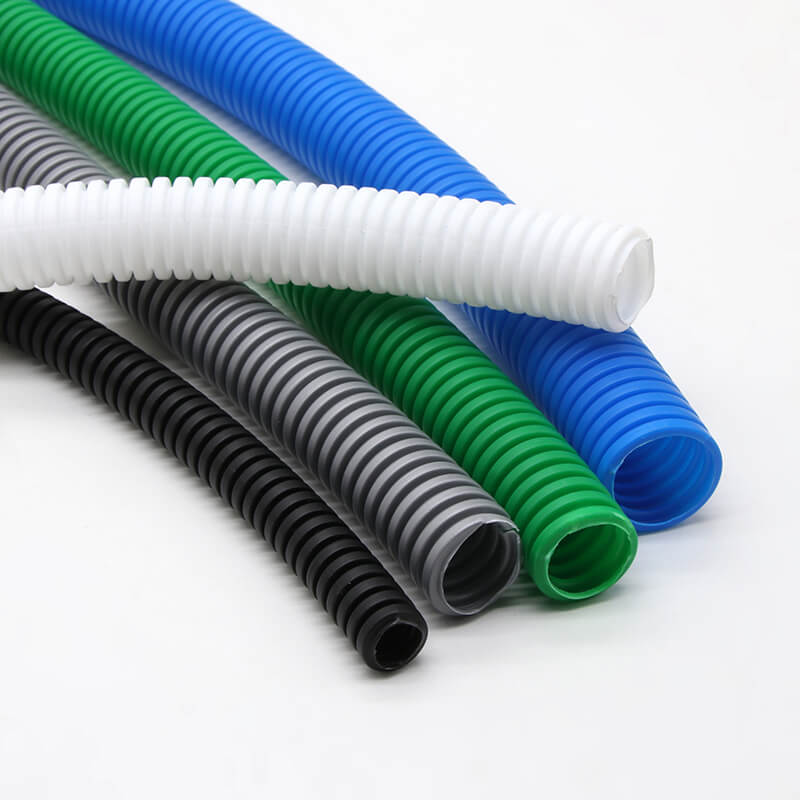
– Identification and Aesthetics: ENT conduit is available in a range of colors, including orange, white, grey, black, green, and red. These color options facilitate the identification of different electrical circuits and improve the aesthetic integration into building designs.Color selection needs to follow local electrical codes.
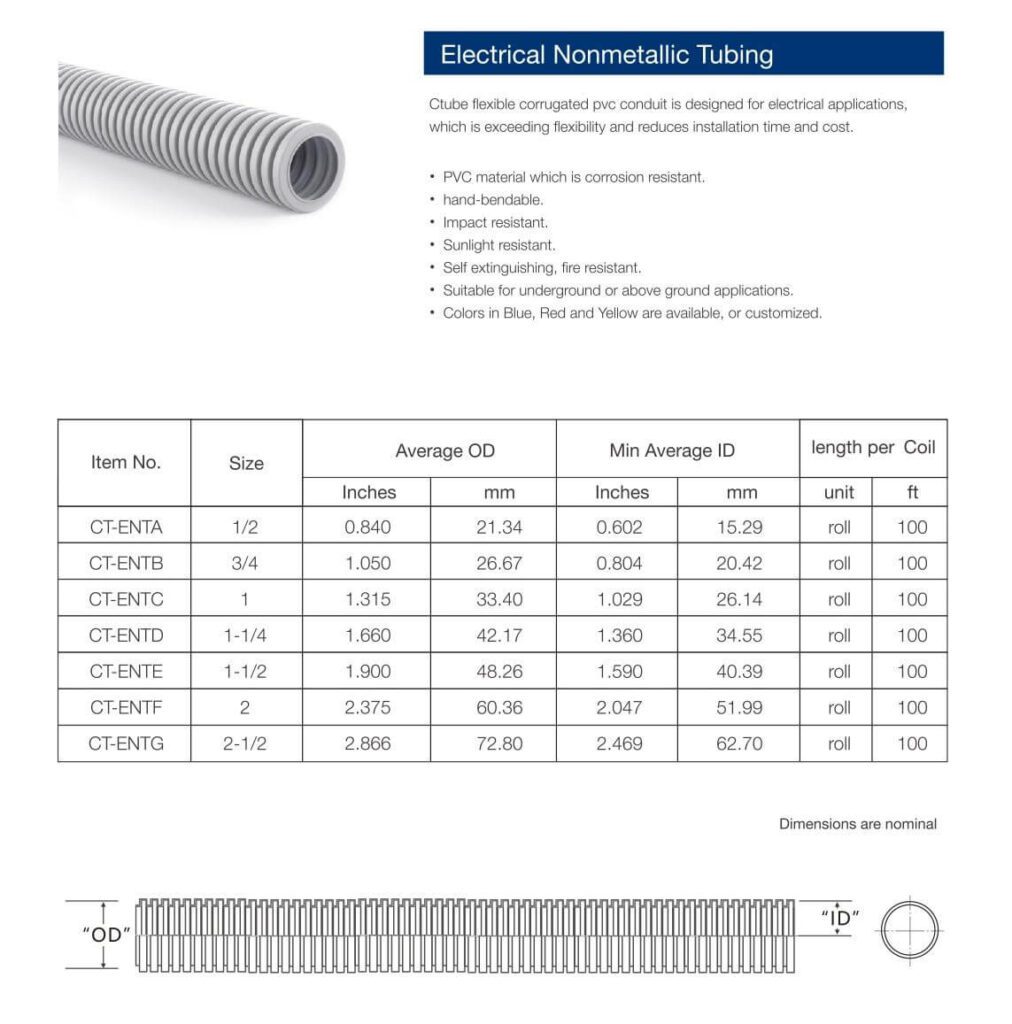
ENT conduit is available in a variety of sizes to meet different wiring needs. Ctube provides common sizes include:
– 1/2 inch
– 3/4 inch
– 1 inch
– 1-1/4 inch
– 1-1/2 inch
– 2 inch
– 2-1/2 inch
These sizes allow for flexibility in routing and can accommodate varying numbers of wires as required for specific applications, from simple residential wiring to complex industrial installations.
3.5 Environmental Resistance
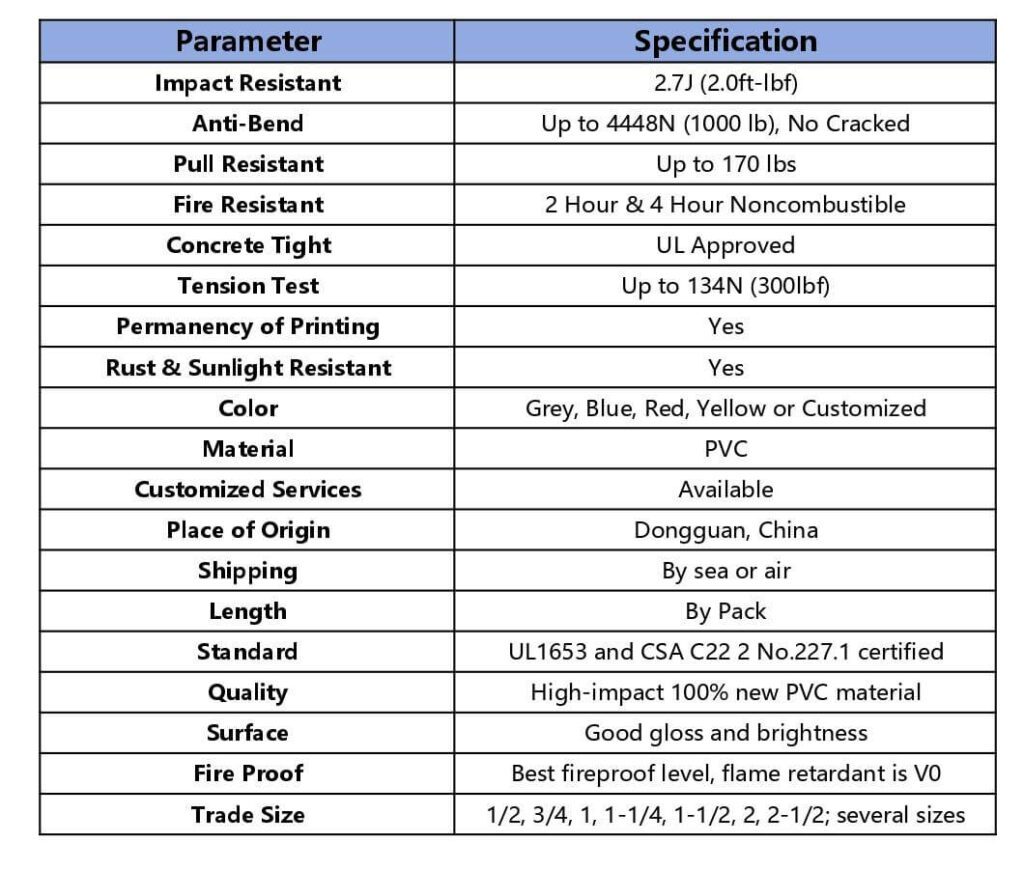
– Temperature Tolerance: ENT can withstand a range of temperatures, making it suitable for both hot and cold environments. This resistance ensures that the conduit remains functional and protective under varying climatic conditions.
– Chemical Resistance: ENT is resistant to a variety of chemicals, making it suitable for use in industrial environments where exposure to harsh substances may occur.
4. Applications of Electrical Nonmetallic Tubing
4.1 Residential Installations
– Home Wiring: ENT is extensively utilized in residential settings for various electrical wiring tasks. Its inherent flexibility allows it to navigate through walls, ceilings, and floors seamlessly, making it an ideal choice for both new constructions and renovation projects. In new homes, ENT helps streamline the installation process, while in older homes, it can be threaded through existing structures with minimal disruption. This flexibility ensures that electrical systems are efficiently and safely integrated into residential buildings, maintaining both aesthetic and functional standards.
– Renovations and Upgrades: ENT’s pliability and ease of installation make it especially valuable in renovation projects. When upgrading electrical systems in older homes, ENT can be installed without extensive demolition or remodeling. This is particularly advantageous in preserving the integrity of historic or architecturally significant buildings. The conduit can be easily inserted into existing walls, ceilings, and floors, allowing for modern electrical upgrades without compromising the structure’s original design.
4.2 Commercial Applications
– Office Buildings: In commercial office environments, ENT is employed to organize and protect both electrical and data cabling. The conduit’s lightweight nature and flexibility make it suitable for installations in drop ceilings and under raised floors, common features in modern office designs. This facilitates a neat and efficient wiring setup, which is crucial for maintaining an orderly work environment and ensuring easy access for maintenance and upgrades.
4.3 Industrial Settings
– Factories and Warehouses: In industrial environments such as factories and warehouses, ENT provides robust protection for electrical wiring exposed to harsh conditions like dust, moisture, and mechanical impact. Its non-conductive properties are particularly valuable, reducing the risk of electrical shorts and enhancing safety in areas with heavy machinery and equipment. ENT’s durability ensures that electrical systems remain operational and safe even in demanding industrial conditions.
– Manufacturing Plants: ENT’s resistance to corrosion and various chemicals makes it an ideal choice for manufacturing environments. These settings often involve exposure to corrosive substances and high electrical demands. ENT ensures that electrical systems are safeguarded against these harsh elements, maintaining functionality and safety. Its ability to withstand chemical exposure and mechanical stress ensures long-term reliability in these rigorous environments.
4.4 Specialized Applications
– High-Temperature Conduits: ENT is used in environments exposed to high temperatures, such as near industrial machinery and processes that generate substantial heat. Materials like polypropylene (PP) and nylon ensure these conduits withstand extreme heat without degrading. This application is critical in maintaining the safety and performance of electrical systems in high-temperature settings.
– Data and Communication Cables: ENT is extensively used to route and protect data and communication cables, ensuring their integrity and shielding them from physical damage. In telecommunications installations, ENT’s non-conductive properties prevent electrical interference, which is crucial for maintaining clear signal transmission. This makes ENT an invaluable asset in data centers, server rooms, and other environments where high-performance data cabling is essential.
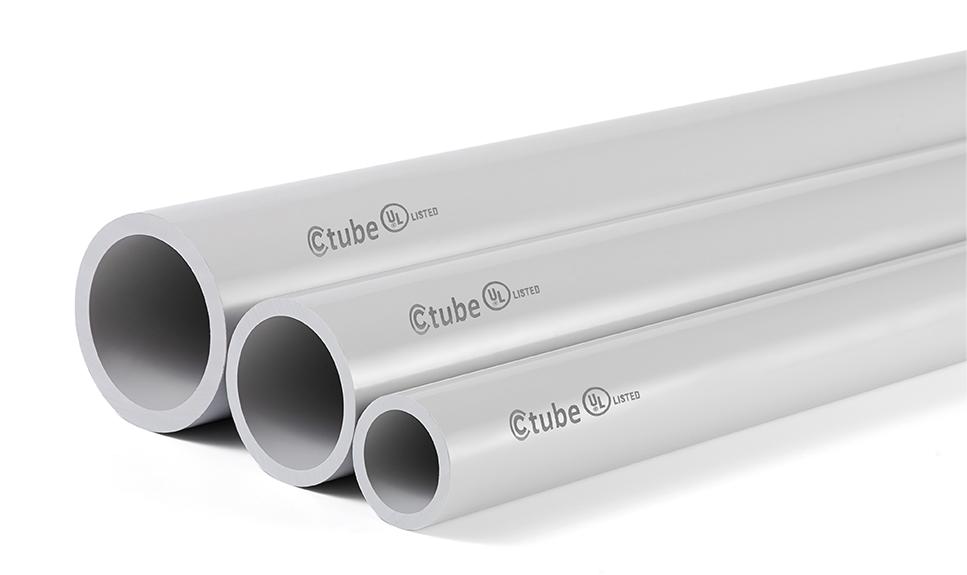
5. ENT VS Rigid PVC Conduit
5.1 Durability and Protection
Both rigid and flexible PVC conduits offer distinct advantages in terms of durability and protection:
Rigid PVC Conduit:
– Provides superior physical protection and impact resistance.
– Ideal for installations where wires may be exposed to potential damage.
– Suitable for environments requiring robust protection against mechanical stress.
Flexible PVC Conduit:
– While not as rigid, it offers good protection against moisture and sunlight.
– Versatile for applications where conduit flexibility is necessary.
– More suitable for indoors electrical installation.

5.2 Ease of Installation
Ease of installation significantly influences the efficiency of an electrical project:
Rigid PVC Conduit:
– Requires precise measurements, cutting, and fitting of rigid sections.
– Bending is not typically possible without additional fittings or heat bending techniques.
– Pemasangan dapat memakan banyak tenaga dan waktu.
Flexible PVC Conduit:
– Sifatnya yang fleksibel memungkinkan pembengkokan dan pengarahan yang mudah.
– Meminimalkan kebutuhan akan perlengkapan tambahan.
– Mempermudah proses pemasangan, terutama di ruang yang sempit atau kompleks.
5.3 Cost and Maintenance
Implikasi biaya dan pemeliharaan jangka panjang merupakan pertimbangan penting:
Rigid PVC Conduit:
– Umumnya memiliki biaya material yang lebih rendah dibandingkan dengan pipa PVC fleksibel.
– Pemasangan mungkin memerlukan perlengkapan dan alat tambahan, yang akan menambah biaya keseluruhan.
– Persyaratan perawatannya minimal.
Flexible PVC Conduit:
– Biaya material mungkin sedikit lebih tinggi.
– Kemudahan pemasangan dan fleksibilitas berpotensi mengurangi biaya tenaga kerja.
– Persyaratan perawatannya juga minimal.
5.4 Direct Burial Considerations
Kesesuaian untuk penguburan langsung merupakan faktor penting dalam pemilihan pipa konduit untuk aplikasi tertentu:
Kode Kelistrikan Nasional (NEC) menyatakan bahwa ENT tidak cocok untuk penguburan langsung.
Pipa kaku PVC yang sebagian lentur dapat dikubur langsung, seperti Pipa saluran konduit PVC DB2/ES2.
Memilih antara pipa PVC kaku dan ENT bergantung pada kebutuhan spesifik proyek Anda. Saat mengambil keputusan, pertimbangkan kondisi lingkungan, tingkat perlindungan fisik yang dibutuhkan, kemudahan pemasangan, dan biaya keseluruhan untuk memastikan pilihan terbaik untuk proyek Anda.

6. Kesimpulan
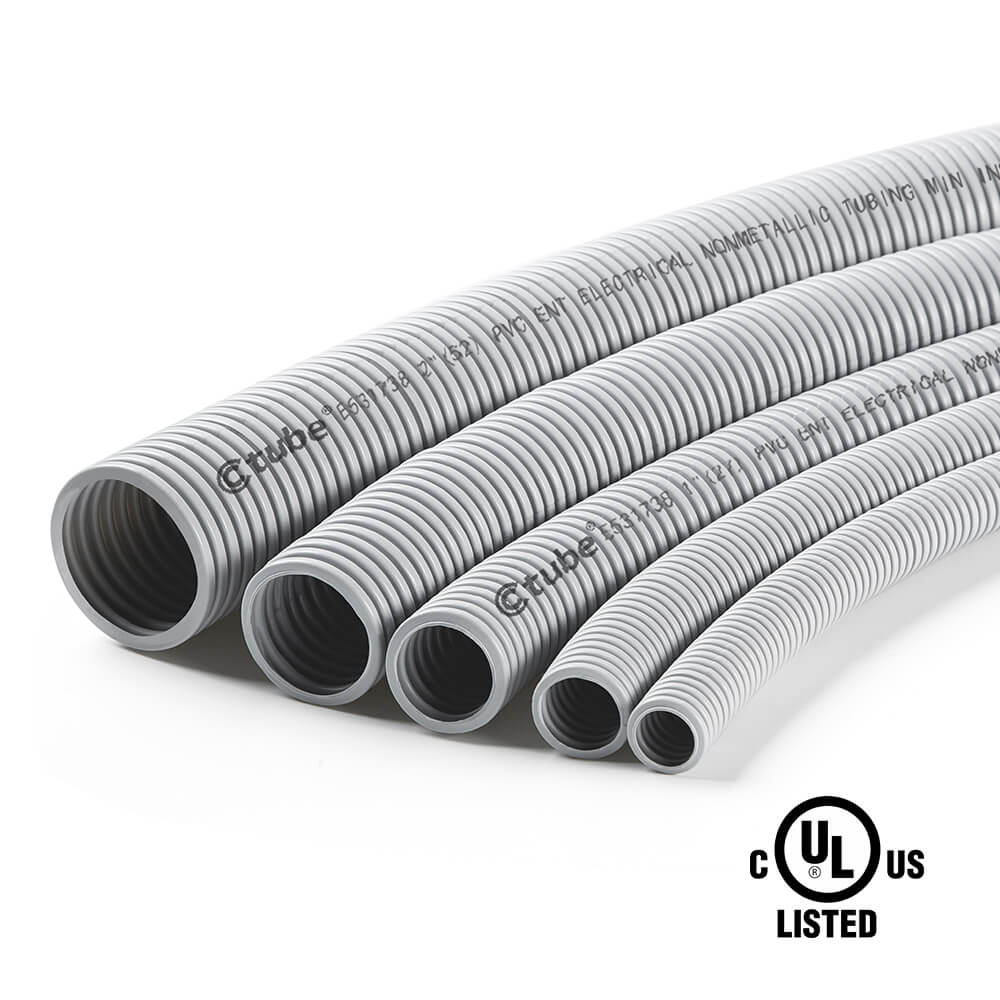
Saluran kabel ENT merupakan contoh kemajuan modern dalam instalasi listrik dengan menawarkan fleksibilitas, daya tahan, dan fitur keselamatan yang ditingkatkan. Proses produksinya, dikombinasikan dengan langkah-langkah pengendalian mutu yang ketat, memastikan bahwa ENT tetap menjadi pilihan yang andal untuk berbagai aplikasi. Mulai dari peningkatan instalasi kabel perumahan hingga proyek industri yang kompleks, ENT menyediakan solusi yang efisien dan aman untuk melindungi infrastruktur listrik.
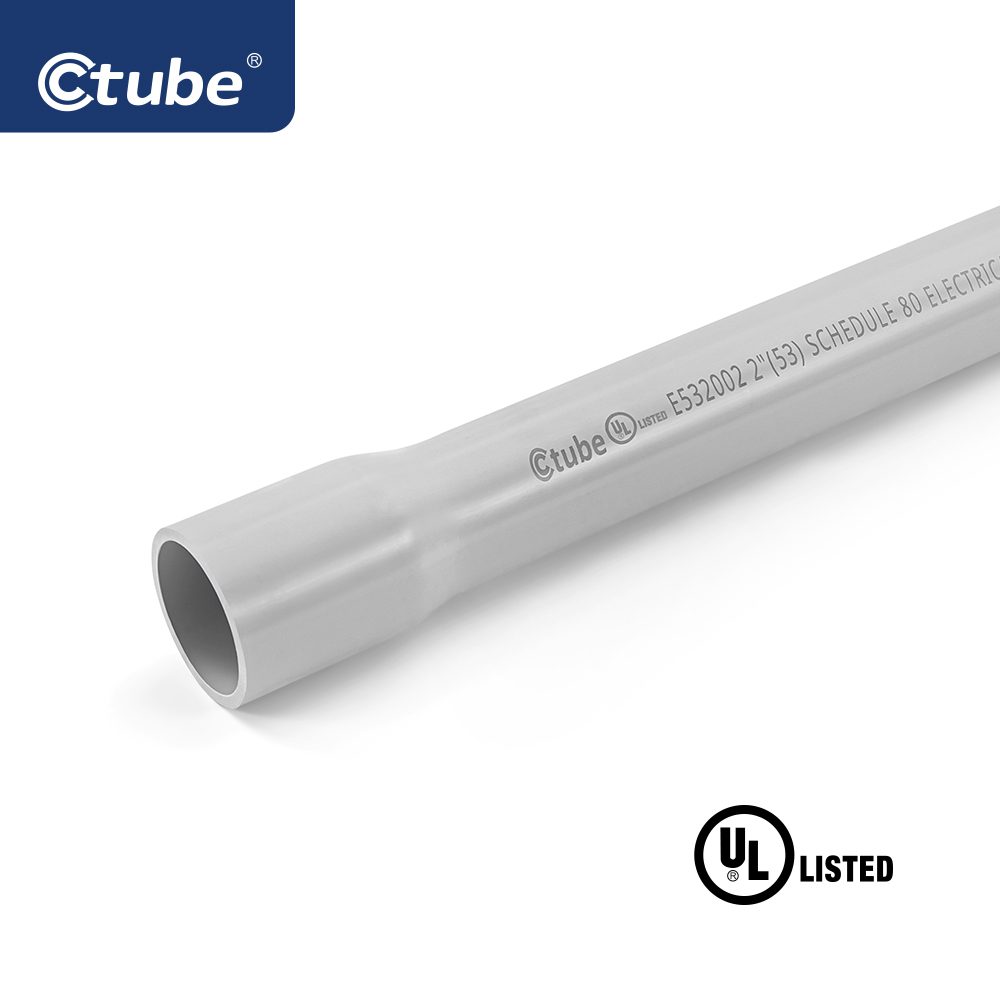
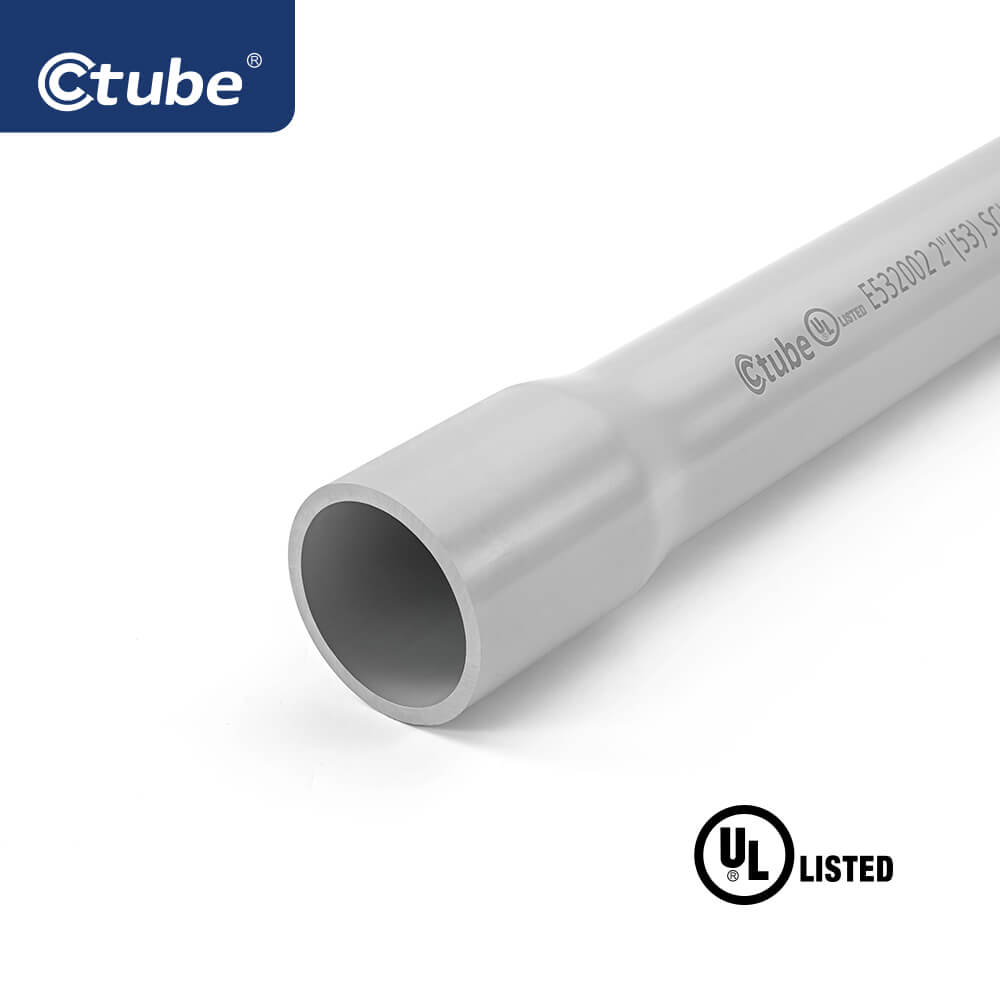
Ctube adalah salah satu produsen pipa conduit plastik profesional di Tiongkok. Kami mengkhususkan diri dalam pengembangan dan produksi produk pipa conduit dan fitting plastik inovatif untuk manajemen dan perlindungan kabel. Produk pipa conduit PVC kami bersertifikasi UL1653 dan CSA C22.2 No. 227.1, sehingga cocok untuk pasar Amerika dan Kanada.
Ctube bangga memproduksi pipa konduit berkualitas tinggi menggunakan material PVC baru 100%, yang memastikan ketahanan benturan dan daya tahan yang unggul. Pipa konduit kami memiliki permukaan akhir yang sangat baik dengan kilap dan kecerahan yang bagus. Selain itu, pipa PVC bergelombang kami memiliki tingkat tahan api terbaik dengan peringkat tahan api V0. Tersedia dalam warna standar seperti abu-abu, merah, dan biru, kami juga menawarkan kustomisasi untuk memenuhi kebutuhan spesifik. Ukuran standar kami berkisar dari 1/2 hingga 2-1/2 inci, memenuhi berbagai kebutuhan instalasi.
Untuk informasi lebih lanjut, silakan kunjungi situs web kami: https://www.ctube-gr.com/



 English
 French
 Spanish
 German
 Arabic
 Indonesian
 Vietnamese