
1. Giới thiệu
Outdoor electrical conduit systems play a vital role in protecting and supporting electrical wiring in environments where exposure to the elements is a concern. These conduit systems are designed to shield electrical cables from weather conditions such as rain, snow, wind, and extreme temperatures, ensuring the safety, longevity, and reliability of electrical installations.
The purpose of this post is to offer a detailed and comprehensive guide on outdoor electrical conduit systems, helping readers fully understand their importance, how to choose the right type, and how to properly install and maintain these systems. Whether you are an electrician, contractor, homeowner, or someone involved in outdoor electrical projects, this guide aims to equip you with all the necessary information to make informed decisions.
2. Understanding Functions of Outdoor Electrical Conduits
Outdoor electrical conduits are protective tubes or channels used to encase and protect electrical wires and cables from environmental hazards. These conduits are typically made from various materials, including plastic (such as PVC), metal (like steel), or specialized coatings, and are designed to shield electrical wiring from external factors such as weather, mechanical damage, and chemical exposure.

In outdoor environments, electrical wiring is often exposed to conditions that can cause rapid deterioration, resulting in safety risks, electrical failures, and potential system downtime. Outdoor conduits act as a safeguard, ensuring that electrical systems remain functional, safe, and compliant with relevant safety regulations and codes.
- Protection Against Physical Damage: One of the most important functions of outdoor electrical conduits is providing physical protection to cables and wires. Whether the conduit is placed above ground or underground, it acts as a shield against external forces, such as impact from falling debris, pressure from construction activities, or animal interference. For example, in high-traffic areas, an outdoor conduit can protect wiring from accidental cuts or punctures that might otherwise expose live wires.
- Resistance to Weather and Environmental Conditions: Unlike indoor installations, outdoor electrical wiring is subjected to various environmental stressors, including direct sunlight, rain, snow, freezing temperatures, and humidity. These conditions can cause degradation of electrical insulation, corrosion of wiring, and potential short circuits. Outdoor electrical conduits are designed to resist these weather-related challenges. For instance, PVC conduits often have UV-resistant properties to prevent degradation from exposure to the sun’s harmful rays, while metal conduits provide an added layer of defense against extreme temperatures and moisture.
- Prevention of Electrical Hazards: Conduits are crucial for electrical safety. They prevent accidental contact with live electrical wires by containing the cables within a protective enclosure. This is especially critical in outdoor environments where electrical systems might be exposed to humans, animals, or conductive materials. For example, if a conduit were to be damaged, the wires inside would still be contained and insulated, reducing the risk of electrical shocks or fires. Many outdoor conduit systems are also built with grounding capabilities, ensuring that if a fault occurs, the electrical current is safely directed to the ground.
- Compliance with Electrical Codes and Regulations: In most regions, the installation of electrical conduits, particularly in outdoor settings, is required by law to meet specific safety standards and codes, such as the National Electrical Code (NEC) in the United States or local equivalent standards in other countries. These codes dictate how wiring systems should be installed to minimize risks such as fire, electrical shock, and damage due to environmental factors. The use of outdoor conduits ensures that electrical installations comply with these regulations and provide a higher level of safety for both the installation crew and the end-users.
- Organizational Benefits: Outdoor conduits also provide an organizational benefit by neatly bundling multiple cables and wires. This is particularly beneficial in environments where numerous electrical systems, such as lighting, security systems, irrigation, and more, need to be integrated into the same space. A well-organized conduit system can make maintenance easier by consolidating and protecting cables, reducing the chance of tangles, and simplifying repairs or upgrades when necessary.
- Aesthetic Considerations: In certain residential or commercial applications, outdoor conduits can also play a role in improving the aesthetic appeal of an installation. Instead of having exposed wires running along walls, ceilings, or fences, the wires can be routed through conduits that hide them from view, resulting in a cleaner, more professional appearance. This is particularly relevant in outdoor spaces like gardens, patios, or rooftops, where aesthetics and functionality must be balanced.
3. Criteria for Classifying Outdoor Electrical Conduits
Outdoor electrical conduits can be classified based on various environmental conditions and use scenarios.
3.1 Outdoor Above-Ground Use
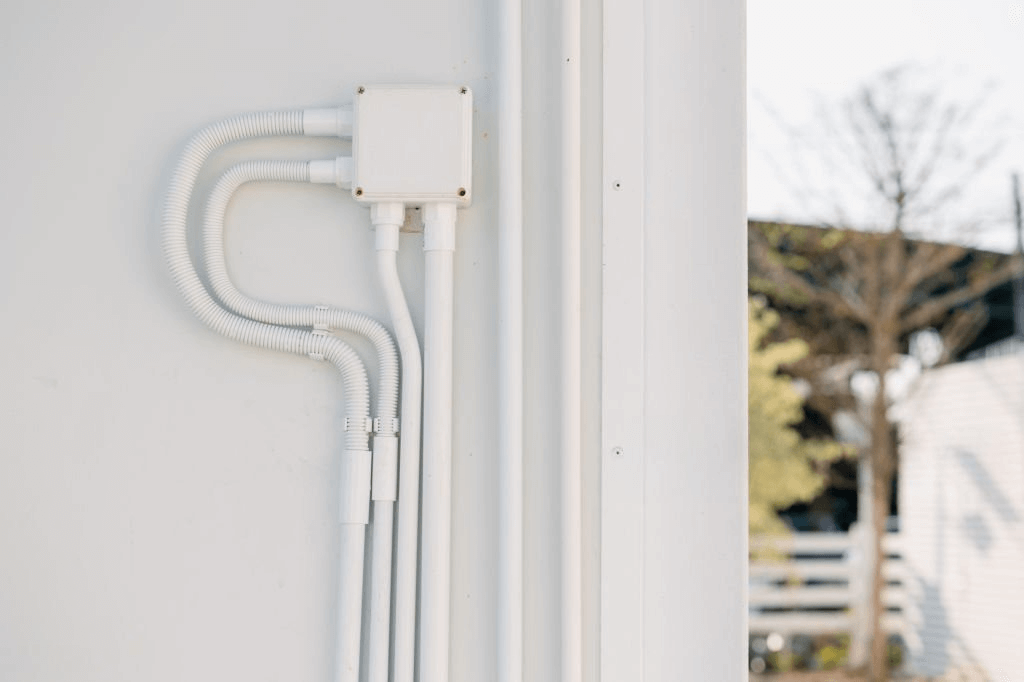
- Conduits designed for above-ground use are exposed to the elements and must withstand conditions such as UV radiation, high temperatures, and varying weather conditions.
- Requirements: Conduits in this category must have UV protection to prevent degradation from sunlight, as well as the ability to endure temperature fluctuations and moisture from rain or humidity.
3.2 Outdoor Underground Use
- Burial Requirements: Conduits used underground may either be directly buried or require additional protection such as concrete encasement. The burial depth and method depend on the type of conduit and local regulations.
- Chôn cất trực tiếp: Some conduits are suitable for direct burial, typically requiring a minimum depth of 18 inches.
- Concrete Encapsulation: Other conduits, especially metal ones, may need to be wrapped in concrete to protect them from soil pressure, moisture, and mechanical damage.
- Depth of Burial: Conduits for underground use have specific depth requirements, which can vary based on conduit material and application (e.g., shallow vs. deep burial).
3.3 Exposure to Strong Ultraviolet (UV) Light
- Conduits in areas with high exposure to UV light, such as rooftops or coastal regions, must be able to resist the damaging effects of sunlight, which can cause cracking, brittleness, or degradation over time.
- Yêu cầu: UV-resistant coatings or special additives in the conduit material are needed for long-lasting durability.
3.4 High-Temperature Environments
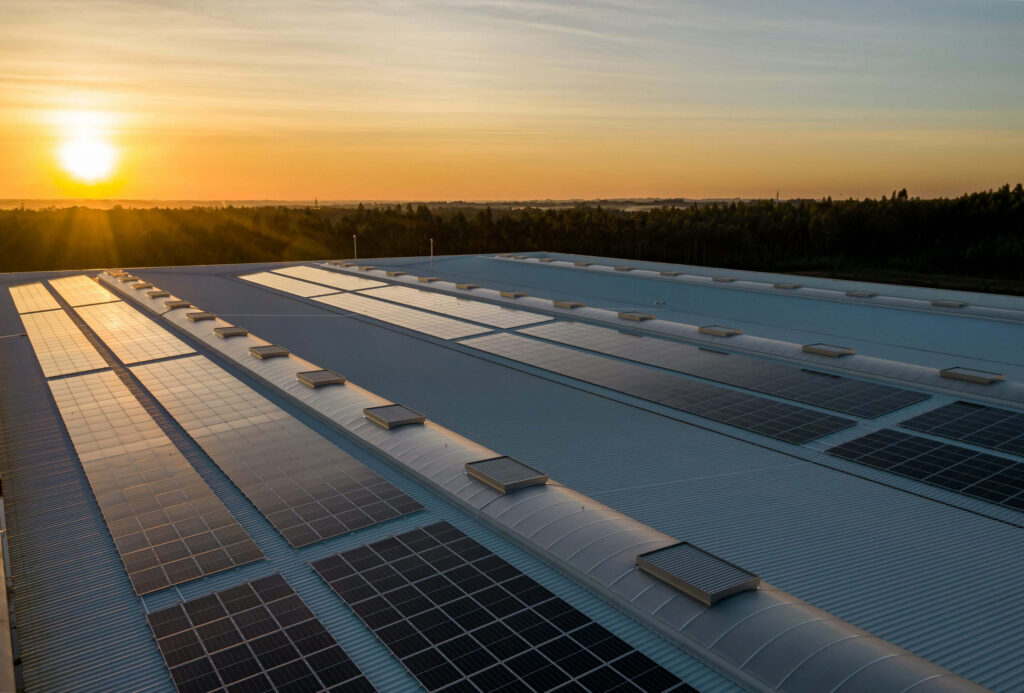
- Conduits installed in areas that experience extreme heat, such as deserts or near industrial plants, need to be capable of withstanding high temperatures without warping or degrading.
- Yêu cầu: The conduit material should be rated for high-temperature resistance to maintain its integrity in these conditions.
3.5 Humid or Wet Environments
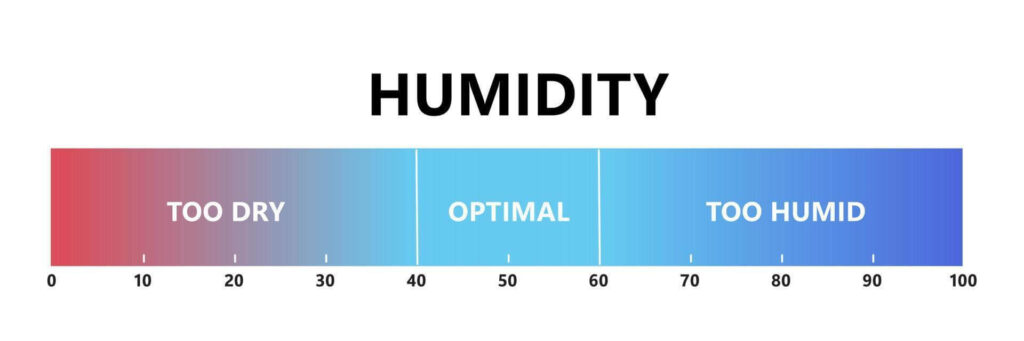
- In locations prone to heavy rainfall, high humidity, or water exposure (e.g., basements, coastal areas), the conduit material should provide waterproofing and prevent moisture penetration.
- Yêu cầu: Waterproof, rust-resistant, and corrosion-resistant materials are needed to ensure that the conduits do not degrade in these conditions.
3.6 Corrosion and Rust Resistance
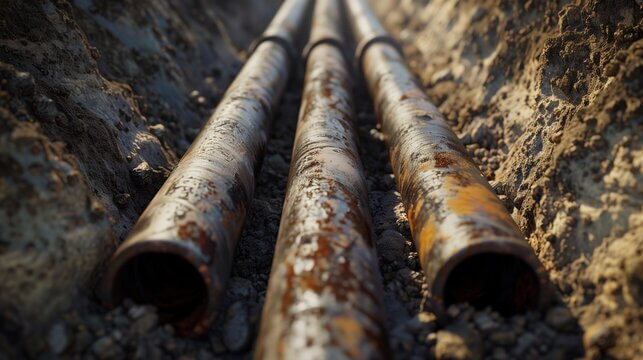
- Conduits exposed to corrosive elements such as salty air, chemicals, or industrial pollutants require special protection against rust and corrosion.
- Yêu cầu: Conduits made from corrosion-resistant materials, such as galvanized steel, stainless steel, or specially treated PVC, are required for such environments.
4. Different Types of Outdoor Electrical Conduits
Selecting the right electrical conduit based on the specific environmental conditions is critical for ensuring an electrical system’s safety, longevity, and efficiency. The choice of material determines how well the conduit performs under various stresses, such as exposure to moisture, UV radiation, temperature fluctuations, and physical impacts.
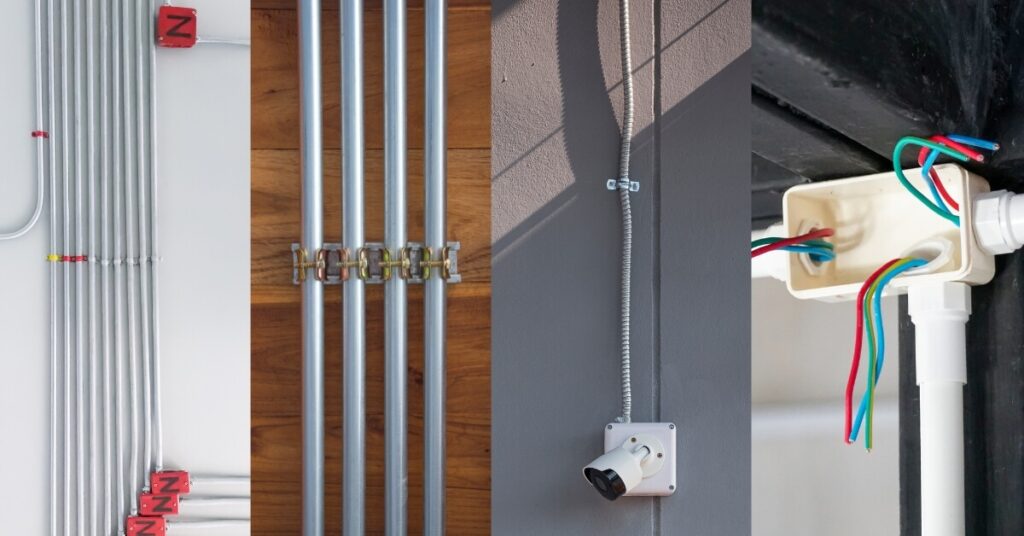
In the following, we introduce different materials used for electrical conduits, comparing their advantages and disadvantages to provide readers with practical guidance for making the best choice.
4.1 PVC Electrical Conduit
4.1.1 Rigid PVC Conduit
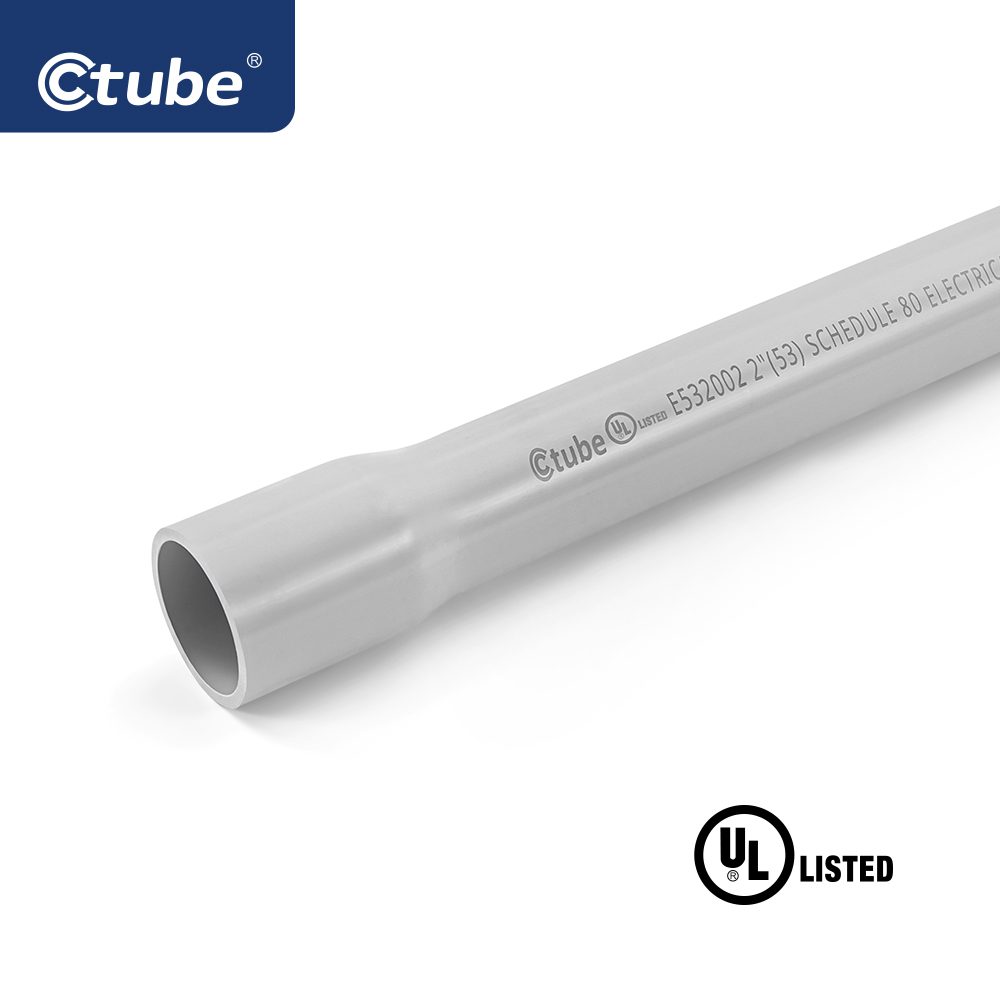
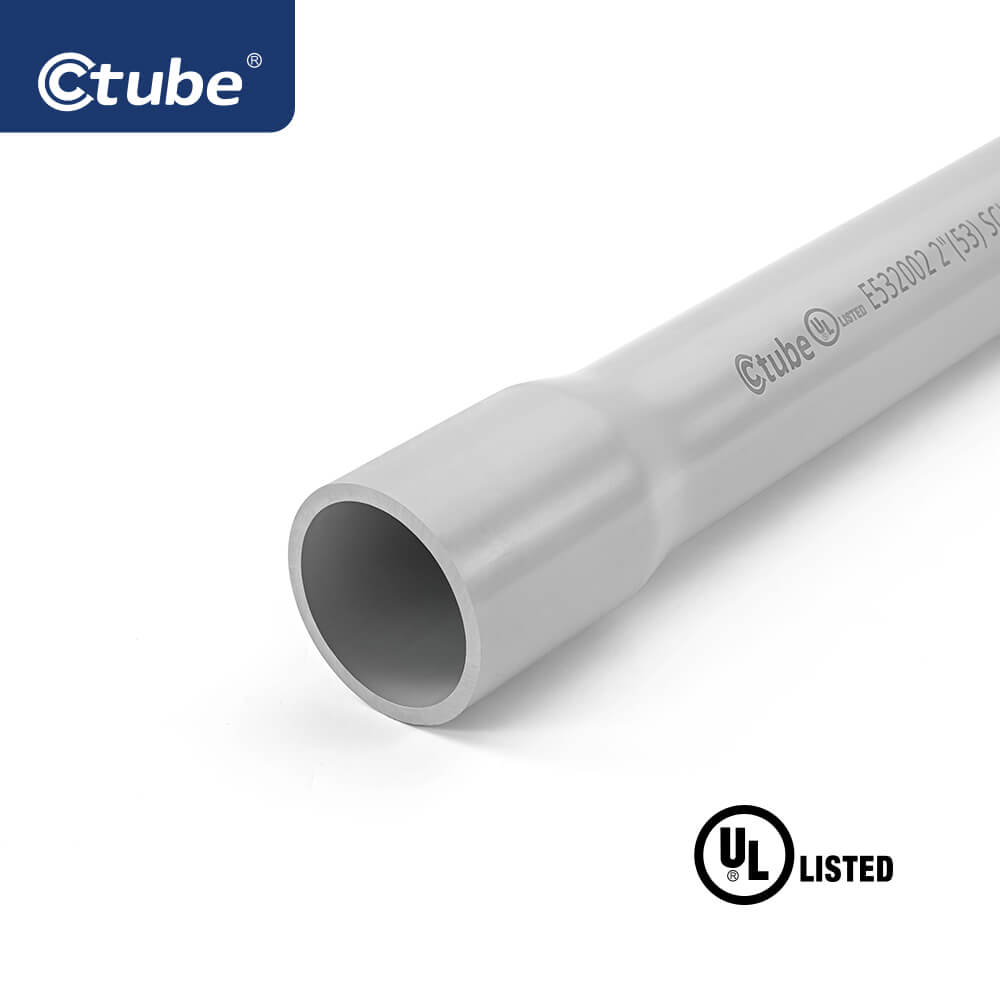
Key Features: Rigid PVC conduit is one of the most commonly used types of electrical conduit due to its excellent durability, cost-effectiveness, and ease of installation. It is designed to provide robust protection for electrical wiring systems in various outdoor environments.
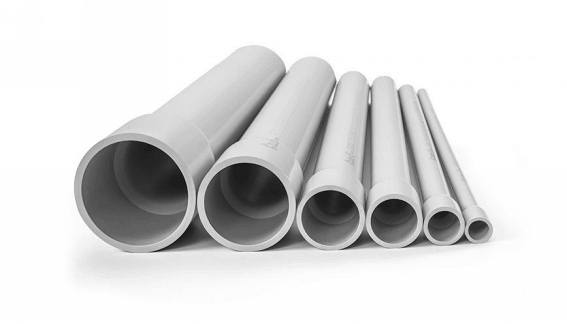
- Durability and Strength: Rigid PVC conduit is highly resistant to physical damage, including impacts, which makes it ideal for protecting electrical cables in exposed areas.
- Khả năng chống ăn mòn: Unlike metal conduits, PVC is not prone to rust or corrosion, making it suitable for installations in coastal regions or wet environments.
- Cost-Effective and Easy to Install: Rigid PVC is affordable compared to metal conduits, and its lightweight nature makes it easy to transport and install, even for DIY projects.
- Khả năng chống tia UV: While PVC is naturally susceptible to UV degradation, modern formulations include UV stabilizers to enhance its outdoor durability.
Ideal Applications: Rigid PVC conduit is typically used in residential and light commercial installations where a balance between strength, cost, and ease of installation is required. It is ideal for outdoor areas where electrical cables need to be protected from physical damage but aren’t exposed to extreme UV or moisture conditions.
Distinguishing Feature: The most notable advantage of rigid PVC conduit is its cost-efficiency, offering a robust solution for general outdoor use while being easy to handle and install.
4.1.2 Flexible PVC Conduit
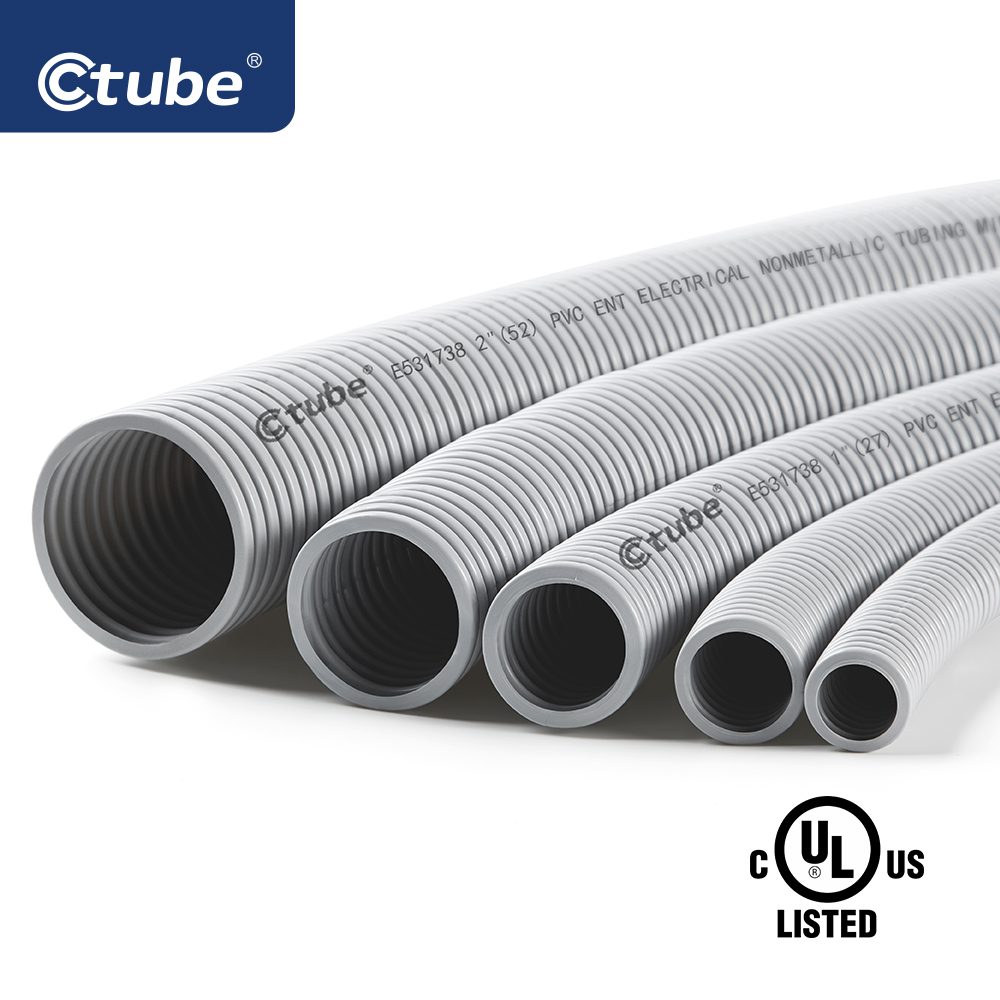
Các tính năng chính: Flexible PVC conduit is designed for installations that require adaptability and easy routing. Its flexibility allows it to bend around obstacles and fit into tight spaces, offering a unique set of advantages over rigid conduits.
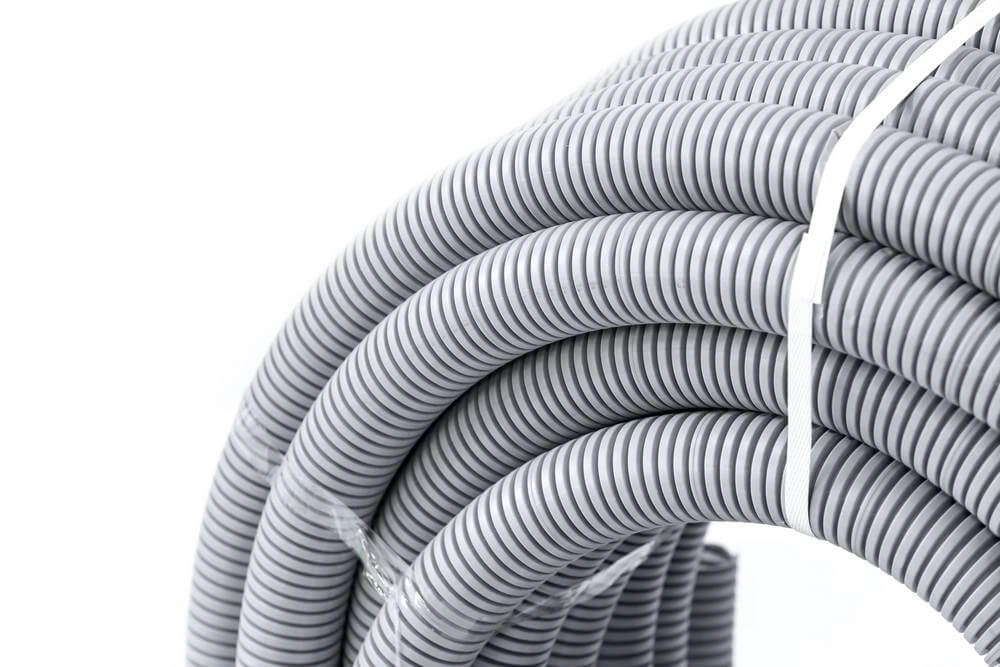
- Flexibility and Adaptability:Flexible PVC can be bent around corners and obstacles without the need for special fittings, making it ideal for installations that involve tight turns or complex routing.
- Moisture and UV Resistance:Flexible PVC conduit comes with UV-resistant formulations, enabling it to withstand direct sunlight exposure and outdoor weather conditions.
- Lightweight and Easy to Install:Similar to rigid PVC, flexible PVC conduit is lightweight, making it easy to install in a variety of outdoor applications.
- Protection in Constrained Spaces:Its flexibility makes it an excellent choice for installations where traditional rigid conduit might be difficult to install.
Ideal Applications: Flexible PVC conduit is commonly used in residential and industrial applications where adaptability and ease of installation are essential. It is particularly useful in areas that require frequent adjustments or tight turns, such as in garden lighting, HVAC systems, or temporary outdoor setups.
Distinguishing Feature: The key feature of flexible PVC conduit is its outstanding flexibility, which makes it perfect for installations that need to be routed around corners or adjusted frequently.
4.2 Metal Conduits
Metal conduits offer the most robust protection for electrical systems, making them ideal for installations that need to endure physical stress, high temperatures, or corrosive environments.
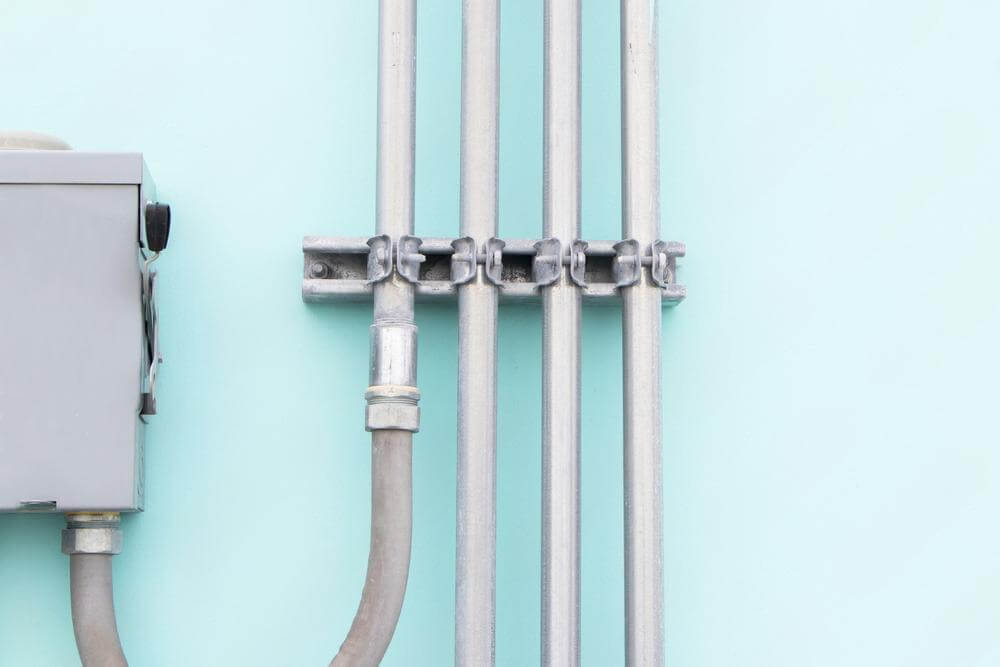
4.2.1 Ống kim loại dẫn điện (EMT)
Các tính năng chính:
- Lightweight and Thin-Walled:EMT is thinner and lighter than other metal conduits, which makes it easier to handle and install.
- Cost-Effective:EMT is an affordable option compared to heavier metal conduits like RMC or IMC.
- Corrosion Resistance:Although not as resistant to corrosion as other metal conduits, EMT can be galvanized to offer some protection against rust.
Ideal Applications: EMT is commonly used in dry locations and areas where physical protection is needed without significant exposure to moisture or harsh outdoor elements. It is ideal for indoor applications or for nhà ở Và light commercial installations where cost and ease of installation are priorities.
Distinguishing Feature: EMT is preferred for light-duty outdoor applications where physical strength is required but the installation environment is not exposed to extreme weather or corrosive conditions.
4.2.2 Ống dẫn kim loại trung gian (IMC)
Các tính năng chính:
- Stronger Than EMT:IMC is more robust and thicker than EMT, offering increased protection for electrical cables.
- Corrosion Resistance:Galvanized IMC provides strong protection against rust and corrosion, making it ideal for use in coastal or industrial environments.
- Versatility for Outdoor Use:IMC is versatile and can be used in both indoor and outdoor applications, offering protection against mechanical damage.
Ideal Applications: IMC is suitable for industrial, thuộc về thương mại, Và nhà ở applications where superior strength and corrosion resistance are required. It is often used in exposed outdoor installations hoặc areas exposed to chemicals and moisture.
Distinguishing Feature: IMC provides a combination of strength and corrosion resistance, making it ideal for harsh outdoor environments where higher levels of protection are needed.
4.2.3 Ống kim loại cứng (RMC)
- Heavy Duty and Thick-Walled:RMC is the most robust metal conduit, offering superior protection for wiring systems in extreme conditions.
- Fire-Resistant:RMC is highly resistant to fire, making it ideal for high-risk industrial areas.
- Corrosion Resistance:Galvanized RMC is resistant to rust and corrosion, offering durability in challenging environments like coastal areas or locations with high humidity.
Ideal Applications: RMC is used in high-risk industrial Và commercial environments, as well as ngoài trời areas where electrical wiring needs maximum protection from physical damage, extreme weather, and potential fire hazards.
Distinguishing Feature: RMC is the strongest and most durable Ống dẫn kim loại, cung cấp mức độ bảo vệ cao nhất chống lại cả hư hỏng cơ học và tác động của môi trường.
4.3 Liquidtight Conduit
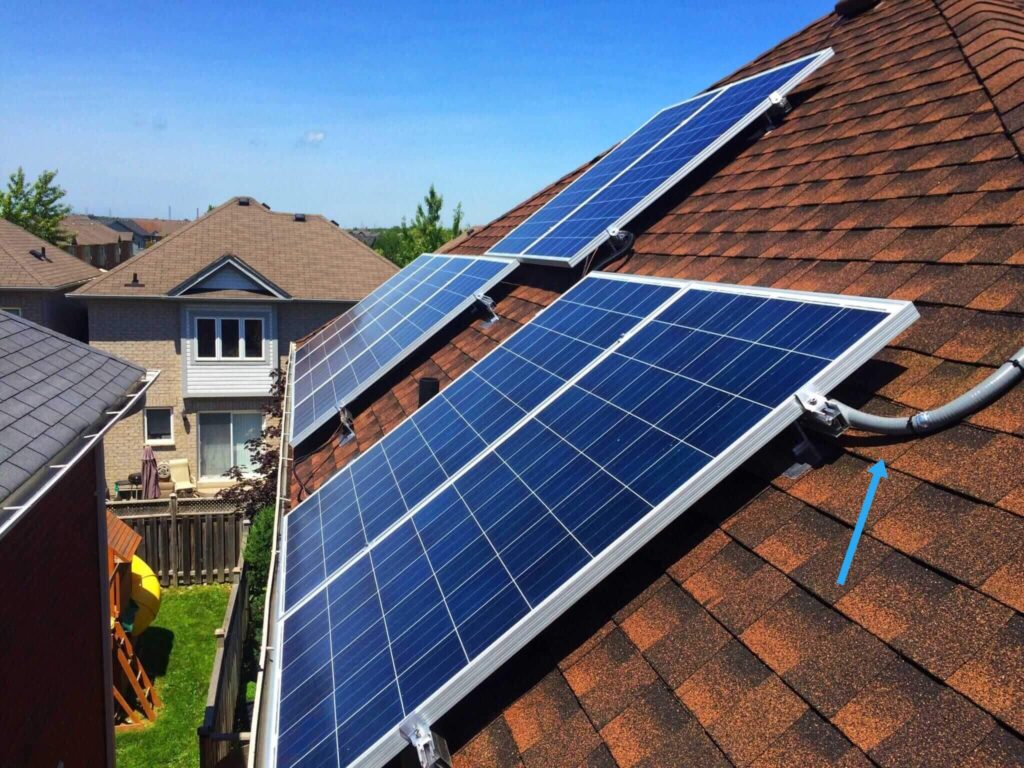
- Khả năng chống thấm nước:Ống dẫn chống thấm nước được thiết kế đặc biệt để bảo vệ khỏi nước và hơi ẩm, lý tưởng cho môi trường ẩm ướt.
- Tính linh hoạt:Sản phẩm này kết hợp tính linh hoạt với khả năng chống nước tuyệt vời, cho phép lắp đặt ở những khu vực dễ bị ẩm ướt hoặc ngập lụt.
- Corrosion Resistance:Ống dẫn kín nước có khả năng chống lại dầu, hóa chất và độ ẩm, giúp kéo dài tuổi thọ trong môi trường công nghiệp hoặc ngoài trời khắc nghiệt.
Ideal Applications: Ống dẫn kín nước là lý tưởng cho ướt hoặc môi trường ẩm ướt, chẳng hạn như trong vùng ven biển, môi trường công nghiệp, hoặc các khu vực thường xuyên tiếp xúc với nước.
Distinguishing Feature: Đặc điểm nổi bật của ống dẫn kín nước là... khả năng chống thấm nước, điều này khiến nó trở nên hoàn hảo cho việc lắp đặt tại khu vực dễ bị ẩm ướt.
4.4 Fiberglass Conduit (RTRC)
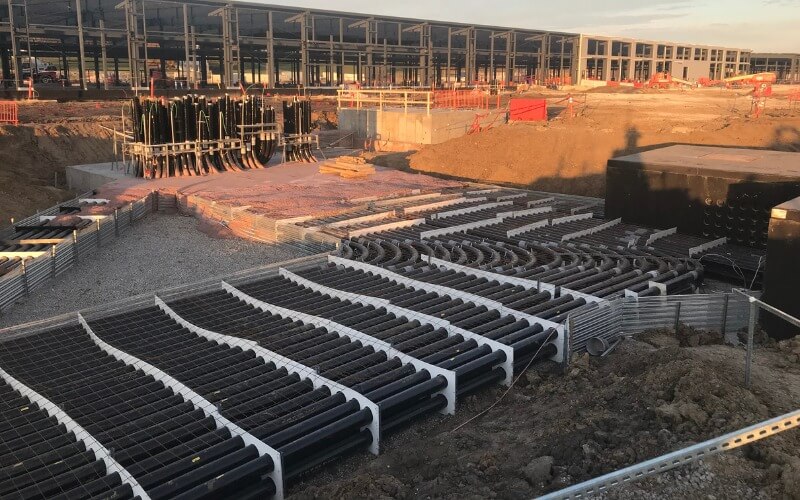
Ống dẫn bằng sợi thủy tinh, còn được gọi là ống dẫn nhựa nhiệt rắn gia cường (RTRC), là một giải pháp nhẹ nhưng bền chắc, được thiết kế để chịu được các điều kiện môi trường và công nghiệp khắc nghiệt. Nó được đánh giá cao về độ bền, khả năng chống ăn mòn và tính linh hoạt trong các ứng dụng chuyên biệt.
- Khả năng kháng hóa chất:Ống dẫn bằng sợi thủy tinh có khả năng chịu được môi trường tiếp xúc với các hóa chất mạnh, bao gồm dung môi, dầu và khí ăn mòn, lý tưởng cho các ngành công nghiệp và hóa dầu.
- Chống chịu thời tiết:Nhờ khả năng chống tia cực tím và độ ẩm cao, ống dẫn bằng sợi thủy tinh thích hợp sử dụng ngoài trời, ngay cả ở những khu vực thường xuyên tiếp xúc với ánh nắng gay gắt hoặc mưa lớn.
- Độ ổn định nhiệt:Với khả năng chịu nhiệt độ rộng, ống dẫn bằng sợi thủy tinh vẫn ổn định ở cả nhiệt độ cực cao và cực thấp, mang lại độ tin cậy trong điều kiện khí hậu khắc nghiệt.
- Tính chất điện:Là một vật liệu không dẫn điện, ống dẫn bằng sợi thủy tinh cung cấp khả năng cách điện tuyệt vời, loại bỏ nguy cơ dẫn điện hoặc nhiễu trong các hệ thống lắp đặt nhạy cảm.
- Độ bền cao và trọng lượng nhẹ:Mặc dù có độ bền cao, ống dẫn bằng sợi thủy tinh nhẹ hơn đáng kể so với các loại ống dẫn bằng kim loại, giúp giảm thiểu công sức và chi phí vận chuyển và lắp đặt.
Lưu ý khi lắp đặt:
Ống dẫn bằng sợi thủy tinh dễ thao tác và có thể được nối bằng keo hoặc các phụ kiện cơ khí. Nó có thể được cắt bằng các dụng cụ tiêu chuẩn, và đặc tính nhẹ của nó giúp đơn giản hóa việc lắp đặt ở những vị trí trên cao hoặc xa xôi. Việc bịt kín các mối nối đúng cách là điều cần thiết để duy trì khả năng chống thấm nước trong các hệ thống lắp đặt ẩm ướt hoặc ngầm dưới đất.
Ideal Applications:
- Các nhà máy hóa dầu và các cơ sở công nghiệp nơi thường xuyên tiếp xúc với các tác nhân ăn mòn.
- Lắp đặt ngoài trời tại các khu vực có cường độ tia cực tím cao hoặc nhiệt độ dao động mạnh.
- Hệ thống điện ngầm ở các khu vực ven biển dễ bị ăn mòn do nước mặn.
- Các dự án sản xuất điện và năng lượng tái tạo, bao gồm các trang trại điện gió và điện mặt trời.
Distinguishing Feature:
Ống dẫn bằng sợi thủy tinh nổi bật nhờ khả năng chống chịu vượt trội với cả các yếu tố hóa học và môi trường, trở thành lựa chọn phổ biến cho các ứng dụng công nghiệp và ngoài trời đòi hỏi độ bền và độ tin cậy lâu dài.
4.5 Photovoltaic (Solar) Conduit
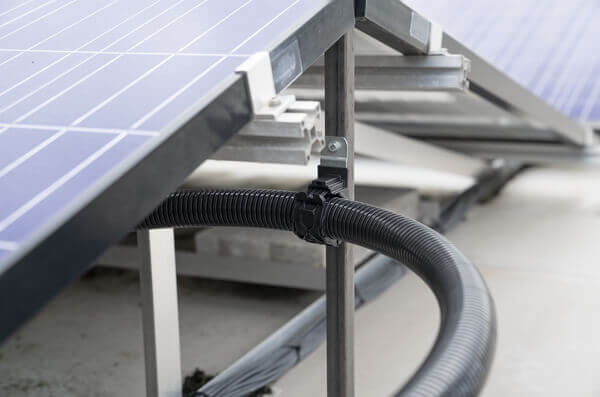
- Khả năng chống tia cực tím và nhiệt:Ống dẫn quang điện được thiết kế để chịu được áp suất cao. tiếp xúc với tia cực tím và sự dao động nhiệt độ, điều thường thấy trong các hệ thống lắp đặt tấm pin mặt trời.
- Độ bền khi sử dụng ngoài trời:Được thiết kế để chịu được sự giãn nở và co lại Nhờ tiếp xúc với ánh sáng mặt trời, đảm bảo khả năng bảo vệ lâu dài cho các thành phần của hệ thống năng lượng mặt trời.
- Chống chịu thời tiết:Ống dẫn quang điện có khả năng chống chịu thời tiết khắc nghiệt, bao gồm Tia cực tím Và nhiệt độ cao, đảm bảo khả năng bảo vệ liên tục cho các tấm pin mặt trời trong mọi điều kiện khí hậu.
Ideal Applications: Ống dẫn quang điện được thiết kế cho lắp đặt năng lượng mặt trời, cung cấp khả năng bảo vệ mạnh mẽ cho hệ thống dây dẫn trong các thiết lập điện mặt trời tiếp xúc với điều kiện ngoài trời khắc nghiệt.
Distinguishing Feature: Ống dẫn quang điện được chế tạo đặc biệt cho hệ thống năng lượng mặt trời, cung cấp sự bảo vệ chống lại Tia cực tím Và nhiệt độ cực đoan, Điều này khiến nó trở nên thiết yếu đối với các hệ thống năng lượng mặt trời ngoài trời.
5. Choosing the Right Outdoor Conduit
5.1 Factors to Consider
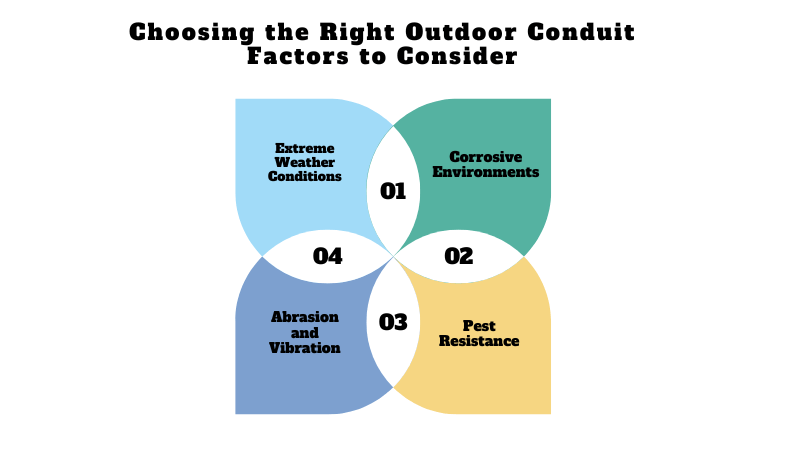
5.1.1. Các yếu tố môi trường cần xem xét
Điều kiện thời tiết khắc nghiệt: Ống dẫn điện ngoài trời phải chịu được sự thay đổi nhiệt độ, từ mùa đông giá rét đến mùa hè nóng như thiêu đốt. Các vật liệu như bê tông trộn sẵn (RMC) hoặc PVC được pha chế đặc biệt là lý tưởng cho những điều kiện như vậy.
Môi trường ăn mòn: Tại các khu vực ven biển hoặc công nghiệp, đường ống dẫn thường xuyên tiếp xúc với nước mặn hoặc khói hóa chất. Do đó, các vật liệu chống ăn mòn, như PVC hoặc kim loại phủ lớp bảo vệ, là rất cần thiết.
Mài mòn và rung động: Các công trình lắp đặt ngoài trời gần máy móc, đường sắt hoặc khu vực giao thông đông đúc có thể yêu cầu ống dẫn có khả năng chống mài mòn cao hoặc độ dẻo dai để chịu được rung động mà không bị nứt.
Khả năng kháng sâu bệnh: Các công trình ngầm ở vùng nông thôn có thể bị côn trùng và động vật gây hại xâm nhập. Ống dẫn bằng kim loại hoặc ống dẫn PVC cứng có thể ngăn ngừa hư hại do chuột hoặc côn trùng gây ra.
5.1.2. Tuân thủ các quy định địa phương và tiêu chuẩn NEC
Yêu cầu độ sâu cụ thể: Tùy thuộc vào loại ống dẫn, độ sâu chôn có thể dao động từ nông (ống PVC ở độ sâu 6–12 inch) đến sâu hơn, đòi hỏi phải bọc trong bê tông.
Quy định khu vực đặc biệt: Ống dẫn điện ở những khu vực dễ bị ngập lụt phải đáp ứng các tiêu chuẩn chống ẩm nghiêm ngặt hơn, trong khi những khu vực thường xuyên có giông bão có thể cần ống dẫn bằng kim loại để nối đất.
5.1.3. Chức năng và Bảo trì
Dễ dàng lắp đặt: Ống dẫn mềm giúp giảm thời gian lắp đặt trong môi trường phức tạp, trong khi ống dẫn cứng đảm bảo ít điểm hỏng hóc hơn theo thời gian.
Nhu cầu bảo trì: Các vật liệu như PVC, có khả năng chống gỉ và yêu cầu bảo trì tối thiểu, được ưa chuộng ở những vùng xa xôi, nơi việc bảo trì thường xuyên gặp khó khăn.
Các yếu tố thẩm mỹ cần xem xét: Đối với các công trình lắp đặt ngoài trời dễ nhìn thấy, màu sắc hoặc lớp hoàn thiện của ống dẫn có thể cần phải hài hòa với môi trường xung quanh hoặc đáp ứng các tiêu chuẩn thẩm mỹ, chẳng hạn như lớp hoàn thiện chống tia UV.
5.2 Material Selection
5.2.1 Lựa chọn ống dẫn PVC so với ống dẫn kim loại
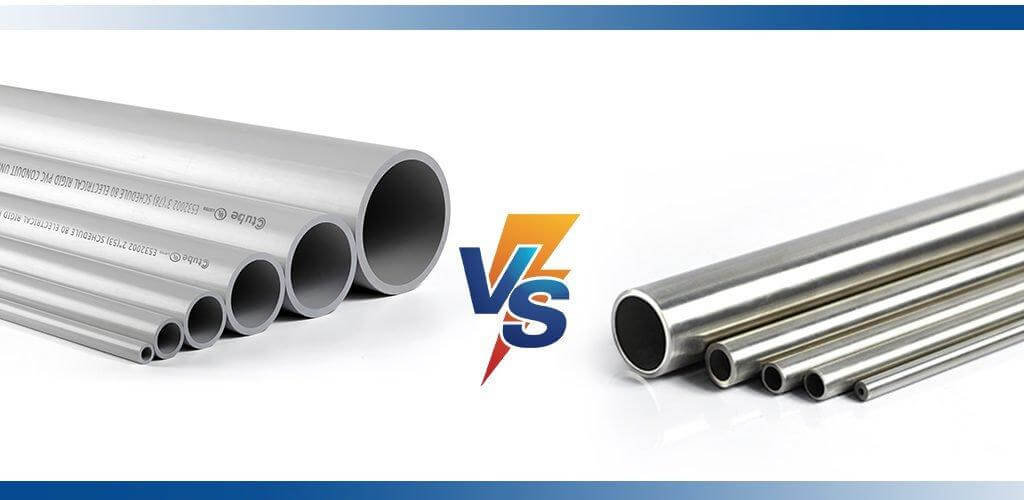
Ống dẫn PVC:
Các công thức mới hơn bao gồm PVC không chứa halogen, ít khói, lý tưởng cho các khu vực yêu cầu phát thải khí độc hại tối thiểu trong trường hợp hỏa hoạn.
Những tiến bộ trong công nghệ PVC chống tia cực tím đảm bảo hiệu suất tốt hơn khi sử dụng ngoài trời lâu dài.
Mặc dù nhẹ và dẻo, PVC lại kém hiệu quả hơn ở những khu vực cần nối đất trừ khi được kết hợp với dây nối đất.
Ống dẫn kim loại:
Ống dẫn bằng thép không gỉ: Với khả năng chống ăn mòn vượt trội, chúng rất lý tưởng cho môi trường biển nhưng giá thành cao hơn đáng kể.
Ống dẫn nhôm: Nhẹ hơn thép và có khả năng chống ăn mòn, nhôm thích hợp cho các công trình yêu cầu giảm trọng lượng mà không ảnh hưởng đến độ bền.
Lớp phủ chuyên dụng: Ống dẫn mạ kẽm hoặc phủ epoxy cung cấp khả năng bảo vệ bổ sung chống gỉ và mài mòn.
5.2.2 Các lựa chọn ống dẫn mềm so với ống dẫn cứng
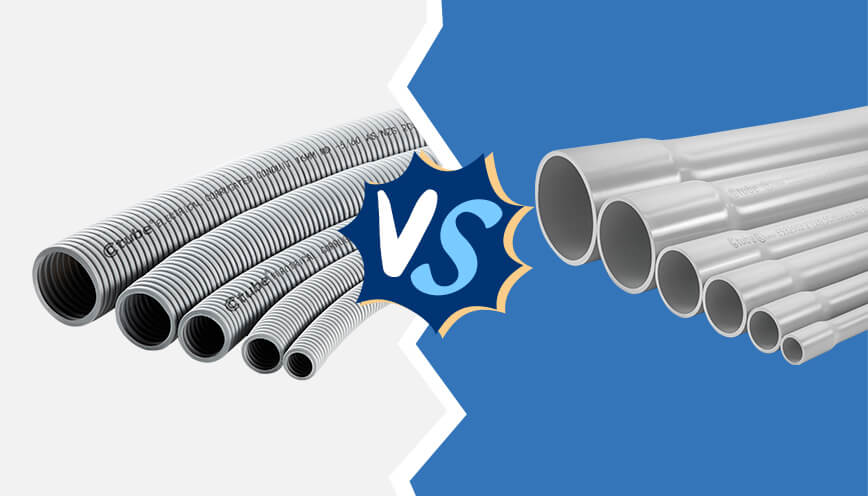
Ống dẫn mềm:
Ống dẫn mềm làm từ Polyethylene: Một giải pháp thay thế hiện đại, nhẹ, chống nước và phù hợp để sử dụng trên mặt đất ở những khu vực ít tác động đến môi trường.
Ống dẫn mềm có lớp chắn: Cung cấp thêm lớp chắn nhiễu điện từ (EMI) cho các thiết bị lắp đặt gần các thiết bị điện tử nhạy cảm.
Ống dẫn cứng:
Ống dẫn cứng cắt sẵn: Tiết kiệm thời gian trong quá trình lắp đặt và đảm bảo tính nhất quán về căn chỉnh cho các dự án quy mô công nghiệp.
Chiều dài và đường kính tùy chỉnh: Các nhà sản xuất thường cung cấp các ống dẫn cứng được thiết kế riêng để phù hợp với nhu cầu cụ thể của từng dự án, chẳng hạn như đường kính lớn hơn cho các loại cáp có công suất cao.
5.3 Specialized Conduit Options
Bên cạnh các loại ống dẫn truyền thống như PVC và kim loại, các loại ống dẫn chuyên dụng được thiết kế để đáp ứng những nhu cầu đặc thù:
- Ống dẫn kim loại mềm kín nước (LFMC)Đây là giải pháp lai kết hợp tính linh hoạt với khả năng chống ẩm, thường được sử dụng ở những khu vực tiếp xúc với nước không thường xuyên.
- Ống dẫn bằng sợi thủy tinh: Nhẹ và không dẫn điện, lý tưởng cho các dự án yêu cầu vật liệu phi kim loại có độ bền và độ chắc chắn cao.
- Ống dẫn quang điệnĐược thiết kế đặc biệt cho các hệ thống năng lượng mặt trời, các ống dẫn này có khả năng chống tia cực tím, nhiệt độ cao và tác động của môi trường ngoài trời trong nhiều thập kỷ.
6. Kết luận
Việc lựa chọn ống dẫn điện ngoài trời phù hợp không chỉ dừng lại ở việc so sánh vật liệu cơ bản. Bằng cách đánh giá các yếu tố như thách thức về môi trường, yêu cầu quy định, cân nhắc về bảo trì và yêu cầu đặc thù của dự án, bạn có thể chọn được loại ống dẫn hiệu quả và đáng tin cậy nhất. Với những cải tiến về vật liệu và thiết kế, các loại ống dẫn hiện đại ngày nay cung cấp các giải pháp phù hợp cho nhiều tình huống khác nhau, từ cảnh quan nhà ở đến các khu phức hợp công nghiệp. Bằng cách đưa ra lựa chọn sáng suốt, bạn không chỉ đảm bảo an toàn và tuân thủ các quy định mà còn tối ưu hóa hiệu suất và tuổi thọ của hệ thống điện ngoài trời.
Ctube Là nhà sản xuất chuyên nghiệp chuyên về ống dẫn điện và phụ kiện PVC chất lượng cao, được thiết kế để đáp ứng nhu cầu đa dạng của các ứng dụng dân dụng, thương mại và công nghiệp.
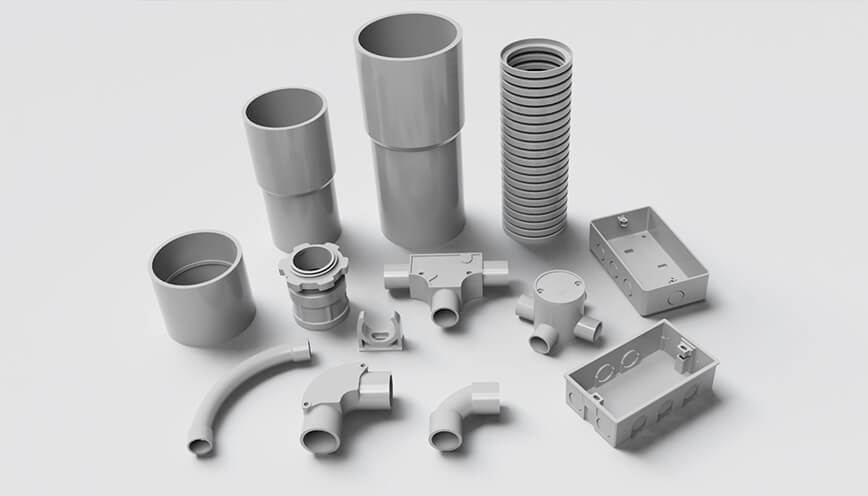
Ống dẫn điện ngoài trời rất quan trọng để bảo vệ dây dẫn khỏi các tác động từ môi trường như tia cực tím, biến động nhiệt độ, độ ẩm và va đập vật lý. Ctube chuyên sản xuất nhiều loại ống dẫn khác nhau, đảm bảo có giải pháp cho mọi ứng dụng ngoài trời, dù là trên mặt đất, dưới lòng đất hay trong điều kiện thời tiết khắc nghiệt.
Ctube cung cấp một loạt sản phẩm toàn diện, bao gồm: Ống dẫn cứng PVC, Ống dẫn điện không kim loại (ENT), Ống dẫn ít khói, không chứa halogen (LSZH), Ống dẫn quang điện (năng lượng mặt trời), và nhiều loại phụ kiện ống dẫn.
Điều làm nên sự khác biệt của Ctube chính là sự tập trung vào độ bền và tuân thủ các tiêu chuẩn. Tất cả sản phẩm đều trải qua quá trình kiểm tra nghiêm ngặt để đảm bảo hiệu suất vượt trội, bao gồm khả năng chống tia UV, ăn mòn và các tác động từ môi trường. Ống dẫn điện của Ctube được thiết kế để đáp ứng các tiêu chuẩn an toàn và chất lượng quốc tế, chẳng hạn như chứng nhận UL, ASTM và NEC, đảm bảo cho khách hàng những sản phẩm đáng tin cậy.
Ngoài các sản phẩm tiêu chuẩn, Ctube còn cung cấp các giải pháp tùy chỉnh cho các yêu cầu cụ thể của dự án, chẳng hạn như màu sắc và kích thước ống dẫn tùy chỉnh. Nếu bạn có yêu cầu về dự án, vui lòng liên hệ với chúng tôi.
Cảm ơn bạn đã đọc và chúc bạn thành công với các dự án của mình.
Câu hỏi thường gặp
Ống dẫn PVC có thể được sử dụng cho các công trình ngầm không?
Đúng vậy, ống dẫn PVC được sử dụng rộng rãi cho các công trình ngầm, đặc biệt là trong các khu dân cư, thương mại và công nghiệp. Ống dẫn PVC loại Schedule 40 là lựa chọn phổ biến nhất cho các ứng dụng ngầm nói chung do tính hiệu quả về chi phí, dễ lắp đặt và khả năng chống chịu các yếu tố môi trường như độ ẩm và ăn mòn. Nó phù hợp để chôn trực tiếp miễn là được lắp đặt ở độ sâu thích hợp—thường từ 18 đến 24 inch—tùy thuộc vào quy định địa phương và điều kiện môi trường. Ở những khu vực có lưu lượng giao thông lớn hoặc chịu tác động mạnh, ống dẫn PVC loại Schedule 80, với thành dày hơn, được khuyến nghị để tăng độ bền.
Đường ống dẫn ngầm nên được chôn ở độ sâu bao nhiêu?
Độ sâu chôn ống dẫn điện khác nhau tùy thuộc vào vật liệu và ứng dụng cụ thể. Ống dẫn PVC (loại Schedule 40 và Schedule 80) thường được chôn ở độ sâu từ 18 đến 24 inch, trong đó loại Schedule 80 cung cấp khả năng bảo vệ tốt hơn ở những khu vực có cường độ va đập hoặc lưu lượng giao thông cao. Ống dẫn kim loại như EMT thường được chôn ở độ sâu từ 6 đến 18 inch, trong khi IMC và RMC có thể được chôn sâu hơn, từ 6 đến 24 inch, tùy thuộc vào các yếu tố môi trường.
Ống dẫn điện ngoài trời có cần bảo trì đặc biệt không?
Đúng vậy, ống dẫn ngoài trời cần được bảo trì đặc biệt để đảm bảo tuổi thọ và hiệu suất tối ưu, đặc biệt khi tiếp xúc với các điều kiện môi trường khắc nghiệt. Cần tiến hành kiểm tra thường xuyên để phát hiện các dấu hiệu hao mòn, hư hỏng hoặc xuống cấp do các yếu tố như tia cực tím, nhiệt độ khắc nghiệt hoặc tác động vật lý. Ví dụ, ống dẫn PVC có thể trở nên giòn theo thời gian khi tiếp xúc lâu dài với tia cực tím, vì vậy điều quan trọng là phải kiểm tra các vết nứt hoặc phai màu và thay thế các đoạn cần thiết. Ống dẫn kim loại như EMT hoặc RMC có thể dễ bị ăn mòn, đặc biệt ở những khu vực ẩm ướt hoặc ven biển, vì vậy việc kiểm tra định kỳ rỉ sét hoặc oxy hóa là rất quan trọng. Phủ lớp chống ăn mòn có thể giúp kéo dài tuổi thọ của chúng.


 English
  French
  Spanish
  German
  Arabic
  Indonesian
  Vietnamese