
1. Giới thiệu
1.1 Brief Overview of Flexible Electrical Conduit
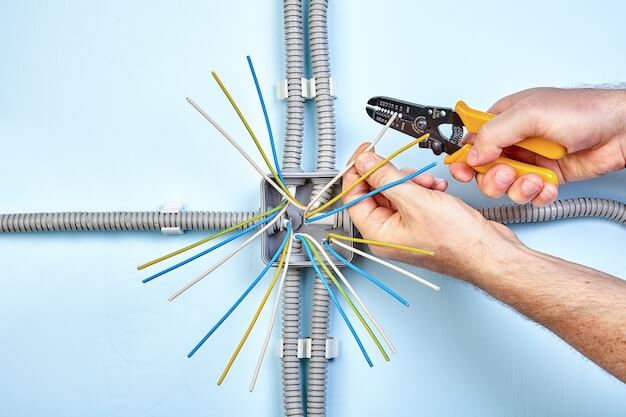
Flexible electrical conduit is an essential component in electrical installations, providing a protective pathway for electrical wiring. Unlike rigid conduit, flexible conduit can bend and twist to navigate around obstacles, making it ideal for installations in tight or complex spaces. This adaptability allows it to be used in residential, commercial, and industrial environments. It comes in various types, including Liquid-tight Flexible Metal Conduit (LFMC), Non-metallic Flexible Conduit, Flexible Metallic Conduit (FMC), and PVC Coated Flexible Conduit, each offering unique benefits and applications.
1.2 Importance of Cutting Flexible Conduit Correctly
Cutting flexible conduit correctly is crucial for ensuring a safe and reliable electrical installation. A precise cut helps maintain the integrity of the conduit, prevents damage to the internal wires, and ensures proper fitting of connectors and other components. Incorrect cutting can lead to sharp edges that may damage wires, improper fitting that compromises the installation’s safety, and increased risk of electrical hazards.
2. Different Types of Flexible Electrical Conduit You Need to Know
2.1 Liquid-tight Flexible Metal Conduit (LFMC)
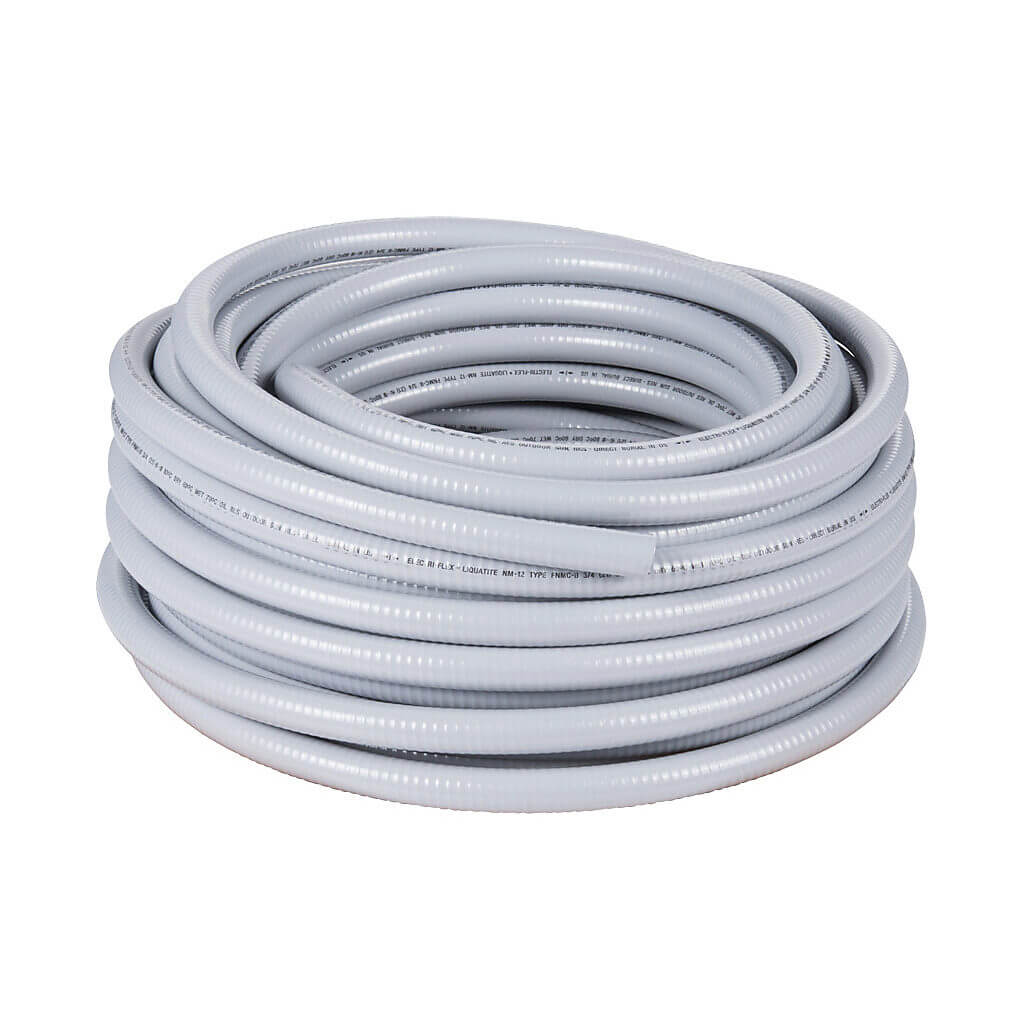
Description: Liquid-tight Flexible Metal Conduit (LFMC) is a type of flexible conduit designed to offer robust protection against moisture and other contaminants while maintaining flexibility. It is commonly used in environments where exposure to liquids, oils, or chemicals is a concern.
2.1.1 Construction
– Core: The core of LFMC is typically made of galvanized steel or aluminum, which provides flexibility and structural integrity. The metal core is formed into a helical coil, which allows the conduit to bend and flex around obstacles.
– Outer Jacket: The outer jacket is made of a liquid-tight plastic or rubber material, usually PVC (Polyvinyl Chloride) or thermoplastic. This jacket is designed to prevent moisture, oils, and other contaminants from penetrating the conduit and reaching the electrical wiring inside.
2.1.2 Characteristics
– Liquid-tight: The primary feature of LFMC is its ability to prevent the ingress of liquids, making it suitable for wet or damp locations.
– Durable: The combination of a metal core and a protective outer jacket provides excellent durability and resistance to physical damage, corrosion, and environmental factors.
– Flexible: The helical design of the metal core allows the conduit to bend and flex, making it ideal for installations that require routing around obstacles or in confined spaces.
– Temperature Resistant: LFMC can withstand a wide range of temperatures, making it suitable for both indoor and outdoor applications.
2.1.3 Common Uses
– Outdoor Installations: LFMC is widely used in outdoor settings where exposure to rain, snow, or other moisture is a concern. It protects electrical wiring from water ingress, reducing the risk of electrical faults or short circuits.
– Industrial Environments: In industrial settings, LFMC is used to protect wiring from exposure to oils, chemicals, and mechanical stress. It is commonly found in manufacturing plants, refineries, and other industrial facilities.
– HVAC Systems: LFMC is often used in HVAC (Heating, Ventilation, and Air Conditioning) systems to route wiring alongside ducts and other mechanical components. Its flexibility and liquid-tight properties make it ideal for these applications.
– Machinery and Equipment: LFMC is used to connect electrical wiring to machinery and equipment that may be subject to vibration or movement. The flexibility of the conduit allows it to absorb vibrations and prevent damage to the wiring.
2.2 Non-metallic Flexible Conduit
2.2.1 Construction
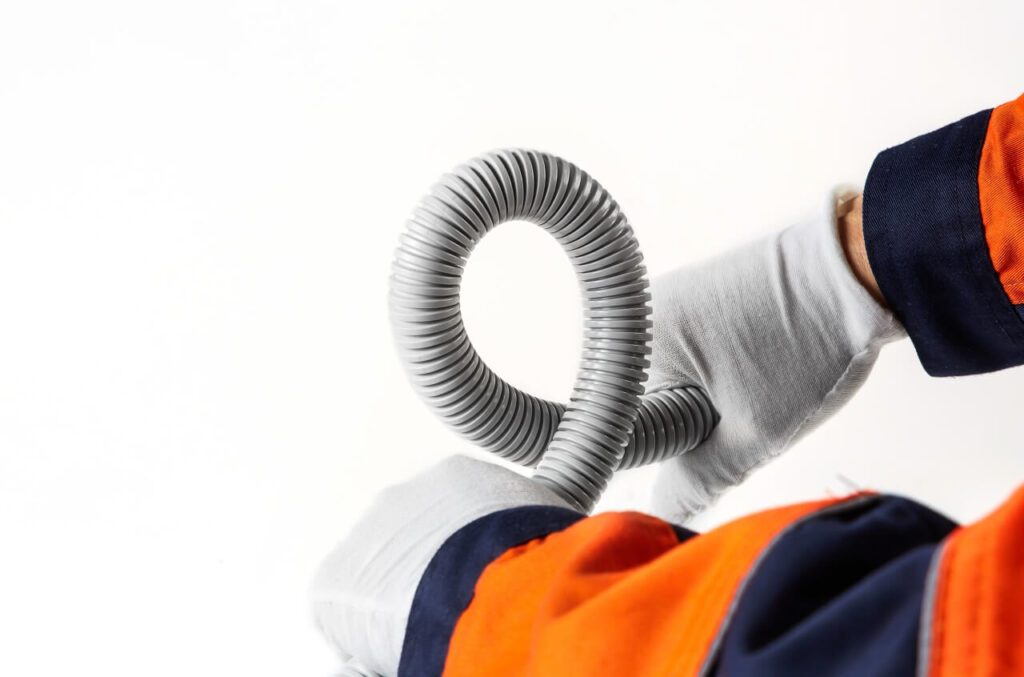
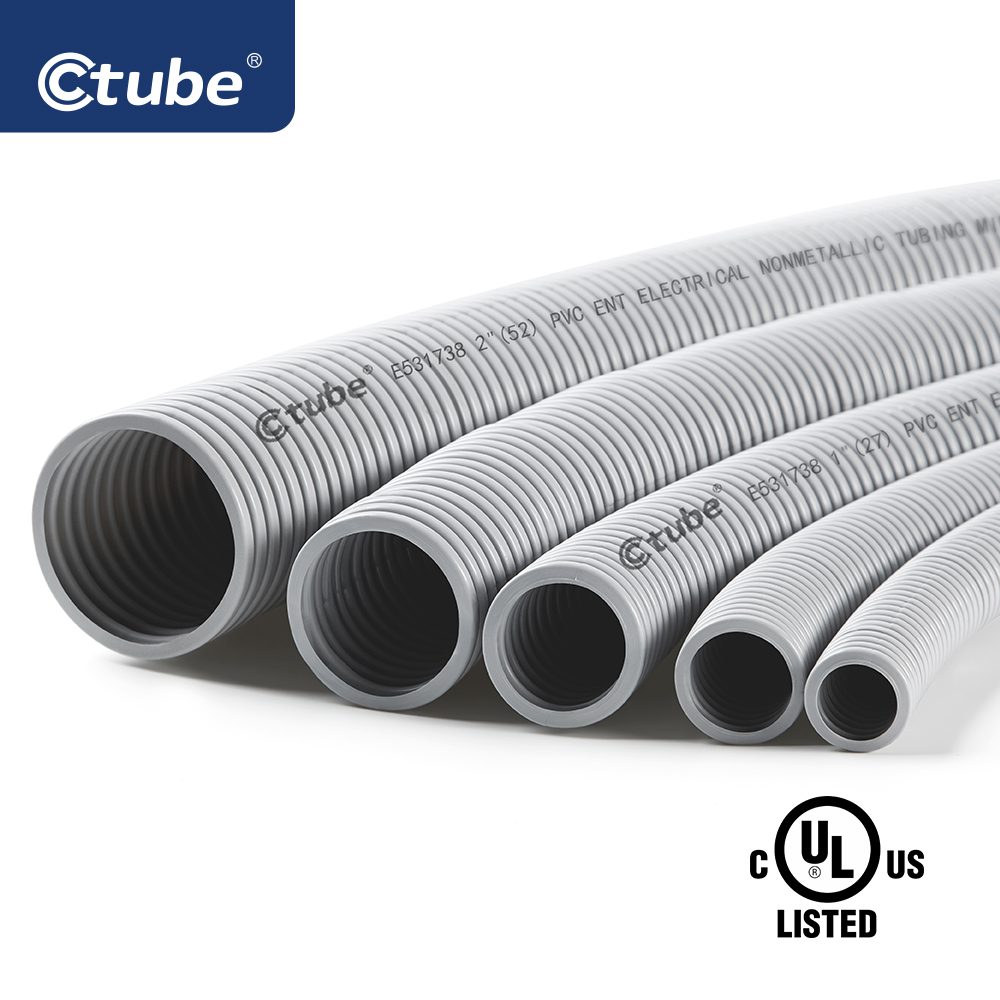
Non-metallic flexible conduit is primarily made from PVC (Polyvinyl Chloride) or other types of plastic materials. The construction typically involves:
– Material: PVC is widely used due to its flexibility, durability, and resistance to moisture and chemicals. Other plastics such as nylon or polyethylene may also be used depending on the specific application requirements.
– Coiled Design: The conduit is manufactured in a coiled or helical form, which allows it to bend and flex easily without the risk of kinking or breaking. This design facilitates smooth wire pulling during installation.
2.2.2 Characteristics
– Flexibility: Non-metallic conduit is highly flexible, allowing it to navigate around obstacles and through tight spaces without the need for elbows or fittings. This flexibility simplifies installation and reduces labor costs.
– Corrosion Resistance: Unlike metal conduits, non-metallic conduits are non-corrosive and do not rust or degrade over time. This makes them suitable for damp or corrosive environments without the need for additional protective coatings.
– Lightweight: The use of plastic materials makes non-metallic conduit lightweight, which facilitates handling during installation and reduces the overall load on support structures.
– Non-conductive: Plastic conduits are non-conductive and provide electrical insulation, minimizing the risk of electrical shock or short circuits. This is particularly important in environments where electrical safety is paramount.
– UV Resistance: Some grades of non-metallic conduit are UV-resistant, allowing them to be used in outdoor applications where exposure to sunlight may otherwise degrade the material.
2.2.3 Applications
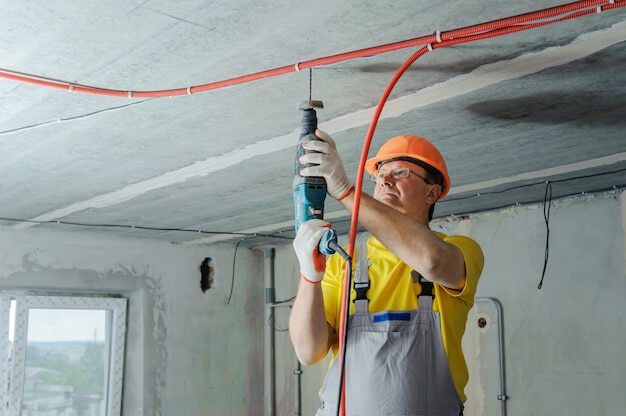
Non-metallic flexible conduit finds widespread use across various industries and environments:
– Residential: In homes and apartments, non-metallic conduit is used for routing electrical wiring in basements, attics, and crawl spaces. Its flexibility and ease of installation make it ideal for retrofitting and renovation projects.
– Commercial: In office buildings, retail stores, and commercial spaces, non-metallic conduit provides a cost-effective solution for electrical installations where flexibility and durability are required.
– Industrial: Light industrial applications benefit from non-metallic conduit’s corrosion resistance and flexibility. It is used in workshops, manufacturing facilities, and warehouses to protect wiring from environmental hazards and mechanical stress.
– Outdoor: Certain grades of non-metallic conduit are designed for outdoor use, where they protect wiring from exposure to moisture, sunlight, and weather conditions. They are commonly used in outdoor lighting, landscaping, and irrigation systems.
2.3 Flexible Metallic Conduit (FMC)
2.3.1 Construction
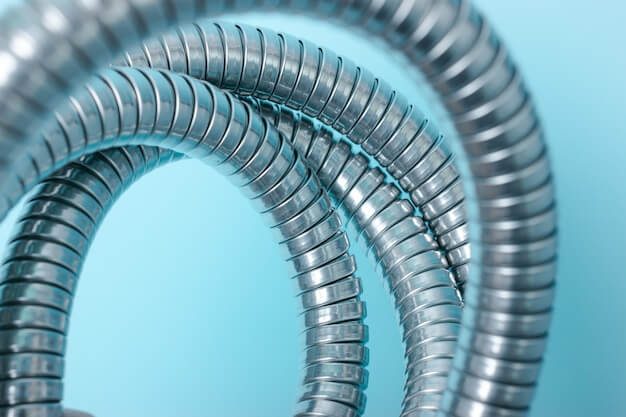
Flexible Metallic Conduit, also known as Greenfield or Flex, is a type of conduit used to protect electrical wiring in environments where flexibility and mechanical protection are required.
– Material: FMC is typically made from a helically wound strip of steel or aluminum, forming a flexible metal tube. The helical design allows the conduit to bend and twist while maintaining its structural integrity.
– Coating: Some FMC varieties may have a PVC or liquid-tight jacket for additional protection against moisture and contaminants, depending on the specific application requirements.
2.3.2 Characteristics
– Flexibility: FMC is highly flexible compared to rigid metal conduits, allowing it to bend around corners and obstacles without the need for elbows or fittings. This flexibility simplifies installation and reduces labor costs.
– Strength: Despite its flexibility, FMC provides robust mechanical protection for electrical wiring, shielding it from physical damage, impact, and abrasion.
– Temperature Resistance: FMC can withstand a wide range of temperatures, making it suitable for both indoor and outdoor applications where environmental conditions vary.
– Corrosion Resistance: While not as corrosion-resistant as non-metallic conduits, FMC’s metal construction provides adequate protection against most environmental factors.
2.3.3 Applications
Flexible Metallic Conduit is used in various industries and environments:
– Commercial and Industrial: FMC is commonly used in commercial buildings, manufacturing plants, and industrial facilities where wiring needs to be protected from mechanical stress and potential damage. It is suitable for installations in walls, ceilings, and floors where flexibility is required.
– Machinery and Equipment: FMC is used to protect electrical wiring in machinery and equipment that experience vibration or movement. Its flexibility allows wiring to move with the equipment without compromising safety.
– Indoor and Outdoor: Depending on the specific type and coating, FMC can be used indoors or outdoors to protect wiring from moisture, sunlight, and weather conditions.
2.4 PVC Coated Flexible Conduit
2.4.1 Construction
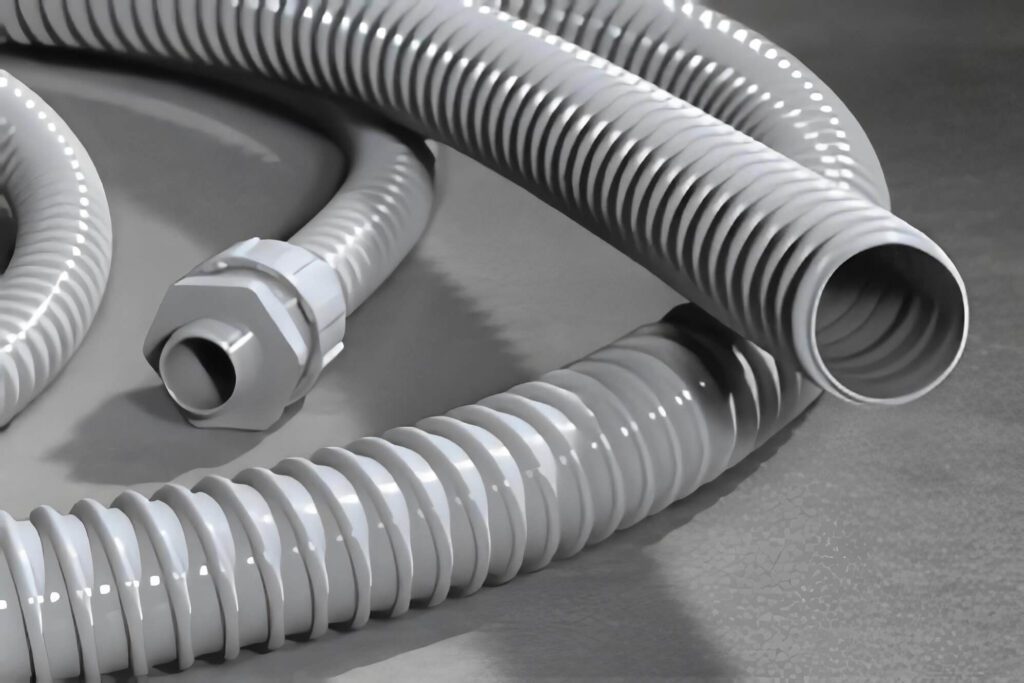
PVC Coated Flexible Conduit combines the flexibility of a metal conduit with the protective properties of a PVC coating. This type of conduit is designed to provide enhanced protection against environmental factors such as moisture, chemicals, and UV light, making it suitable for a variety of demanding applications.
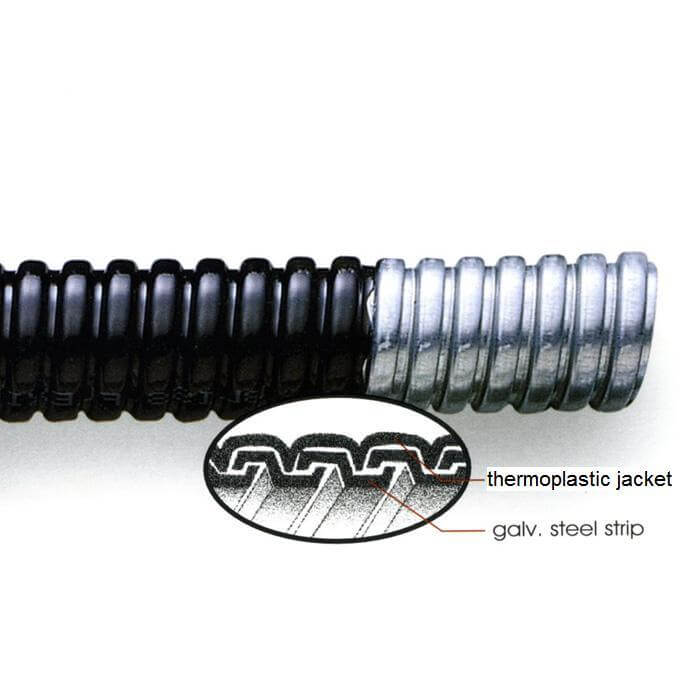
– Core Material: The core of PVC Coated Flexible Conduit is typically made from a helical coil of steel or aluminum, which provides the conduit with its flexibility and mechanical strength.
– PVC Coating: The metal core is covered with a durable layer of polyvinyl chloride (PVC). This coating adds an extra layer of protection, making the conduit resistant to a wide range of environmental hazards.
2.4.2 Characteristics
– Flexibility: The helical metal core allows the conduit to bend and flex easily, making it suitable for installations in tight or complex spaces.
– Durability: The PVC coating provides excellent resistance to moisture, chemicals, oils, and other corrosive substances, extending the lifespan of the conduit.
– UV Resistance: The PVC coating also offers protection against UV light, preventing degradation when exposed to sunlight.
– Temperature Resistance: PVC Coated Flexible Conduit can withstand a broad range of temperatures, making it suitable for both indoor and outdoor applications.
2.4.3 Applications
PVC Coated Flexible Conduit is used in various environments, particularly where exposure to harsh conditions is a concern:
– Industrial Settings: Ideal for use in manufacturing plants, refineries, and chemical processing facilities where the conduit may be exposed to harsh chemicals, oils, and extreme temperatures.
– Outdoor Installations: Suitable for outdoor applications where the conduit is exposed to weather elements, including rain, sun, and varying temperatures.
– Marine Environments: The corrosion resistance of the PVC coating makes it suitable for use in marine environments where saltwater exposure is a concern.
– HVAC Systems: Commonly used in HVAC installations to protect wiring in areas where moisture and temperature fluctuations occur.

3. Tools and Materials Needed for Cutting Flexible Electrical Conduit
Cutting flexible electrical conduit accurately and safely requires the right tools and materials. Proper preparation ensures that the conduit is cut cleanly, preserving its integrity and making installation easier.
3.1 Essential Tools for Cutting Flexible Conduit
3.1.1 Conduit Cutter
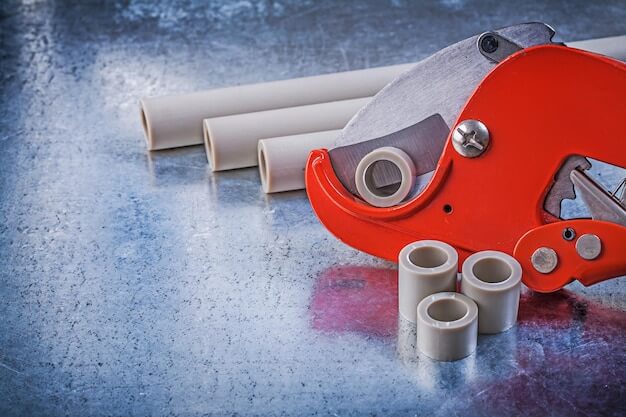
– Description: A conduit cutter is specifically designed to cut through metal or non-metallic conduit cleanly. It usually features a ratcheting mechanism that makes cutting easier and more precise.
– Usage: Position the conduit cutter around the conduit, squeeze the handles, and rotate the cutter around the conduit to create a clean cut. The ratcheting action helps to apply consistent pressure, ensuring a smooth cut without deforming the conduit.
– Benefits: This tool is user-friendly, reduces the physical effort required, and ensures a clean cut, minimizing the need for further smoothing.

3.1.2 Hacksaw
– Description: A hacksaw is a versatile tool with a fine-toothed blade capable of cutting through metal and plastic. It is often used for cutting flexible metallic and PVC-coated conduits.
– Usage: Secure the conduit in a vise or clamp to prevent movement. Use long, steady strokes with the hacksaw to cut through the conduit. Ensure the blade remains straight to avoid angled cuts that can make installation difficult.
– Benefits: Hacksaws are widely available, inexpensive, and effective for a variety of cutting tasks. They provide a high level of control, allowing for precise cuts.
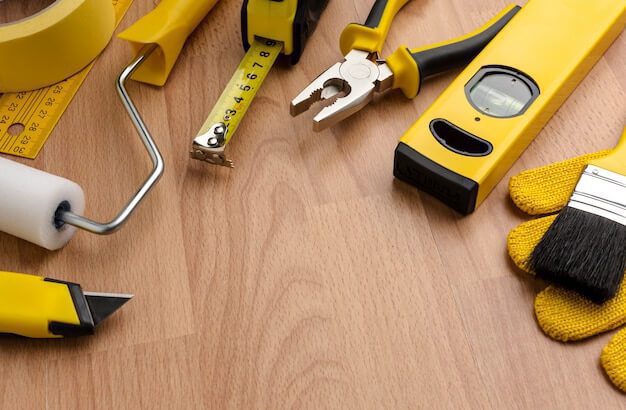
3.1.3 Utility Knife
– Description: A utility knife with a sharp blade is essential for cutting non-metallic flexible conduit and trimming any excess material after making the main cut.
– Usage: Score the outer jacket of the conduit with the utility knife before making a final cut. This helps guide the blade and prevents the jacket from fraying or tearing. Be sure to use a sharp blade to ensure a clean cut.
– Benefits: Utility knives are excellent for making precise, controlled cuts. They are also useful for a range of other tasks, making them a versatile addition to your toolkit.
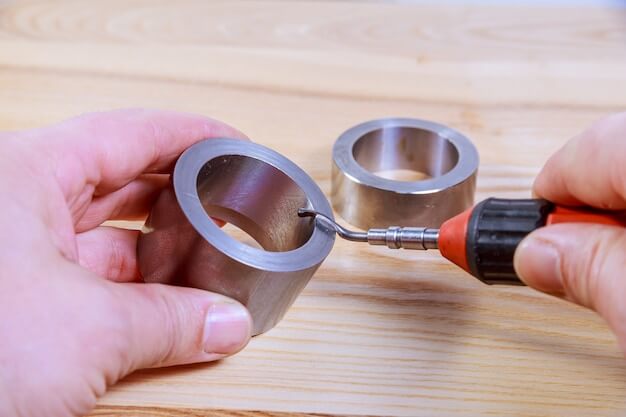
3.1.4 Deburring Tool
– Description: A deburring tool is used to remove any sharp edges or burrs left on the conduit after cutting. Burrs can damage the wiring during installation and make the conduit difficult to handle.
– Usage: Run the deburring tool along the inside and outside edges of the cut conduit. This will smooth out any rough areas and prevent injuries or damage to the wiring.
– Benefits: Deburring tools improve safety and ensure a smooth, professional finish to your cuts. They help maintain the integrity of the conduit and protect wiring from abrasion.
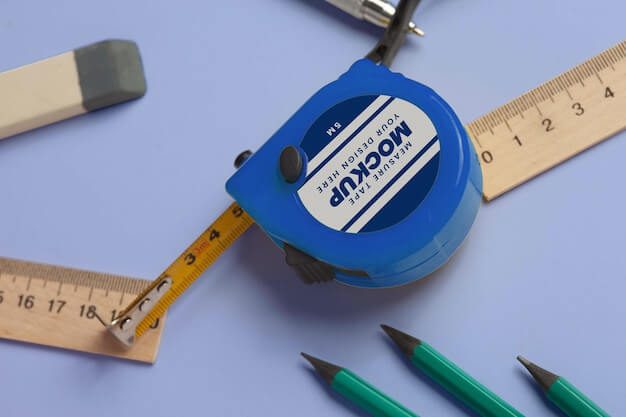
3.1.5 Measuring Tape
– Description: Accurate measurements are crucial for ensuring that the conduit fits properly in the installation. A measuring tape helps you measure the exact length needed before cutting.
– Usage: Measure the length of conduit required for the installation and mark the cutting point clearly with a marker. Double-check your measurements to avoid mistakes.
– Benefits: Precise measurements prevent waste and ensure a perfect fit, reducing the need for adjustments and re-cuts.
3.1.6 Marker
– Description: A permanent marker is used to mark the conduit where it needs to be cut. This helps ensure precision and accuracy in your cuts.
– Usage: After measuring the desired length, use the marker to draw a clear, visible line around the conduit. This line will serve as a guide when cutting.
– Benefits: Markers are simple yet essential tools that provide clear visual guides, helping to ensure accuracy in your cuts.

3.2.1 Gloves
– Description: Protective gloves safeguard your hands from sharp edges and burrs on the conduit, as well as from potential cuts from the tools.
– Usage: Wear gloves at all times when cutting or handling conduit. Choose gloves that offer a good balance of protection and dexterity, allowing you to work safely without sacrificing precision.
– Benefits: Gloves protect your hands from injuries and improve grip, making it easier to handle tools and conduit safely.
3.2.2 Safety Glasses
– Description: Safety glasses protect your eyes from flying debris and metal shavings that can occur when cutting conduit.
– Usage: Always wear safety glasses when cutting conduit, especially when using power tools or a hacksaw. Ensure the glasses fit securely and comfortably to provide maximum protection.
– Benefits: Safety glasses prevent eye injuries and ensure you can work confidently without fear of debris causing harm.
3.3 Optional Tools for Better Efficiency
While the essential tools and safety equipment listed above are sufficient for most conduit-cutting tasks, certain optional tools can enhance your efficiency and make the job easier.

3.3.1 Pipe Vise or Clamp
– Description: A pipe vise or clamp holds the conduit securely in place while you cut, preventing it from moving and allowing for more precise cuts.
– Usage: Secure the conduit in the vise or clamp before cutting. This keeps the conduit steady, reducing the risk of slips or mistakes and making the cutting process safer and more efficient.
– Benefits: Vises and clamps provide stability, making it easier to achieve straight, accurate cuts. They also free up your hands, allowing for more controlled cutting.
3.3.2 Lubricant
– Description: Applying lubricant to the cutting blade or conduit can reduce friction and make cutting smoother, especially for metal conduits.
– Usage: Apply a small amount of lubricant to the cutting area or blade before starting. This helps reduce heat buildup and prolongs the life of the cutting tool.
– Benefits: Lubricants reduce wear on tools and conduits, ensuring cleaner cuts and extending the lifespan of your equipment.
By preparing adequately and following best practices, you can achieve precise cuts that maintain the integrity of the conduit and facilitate a smooth installation process. Whether you are working with liquid-tight flexible metal conduit (LFMC), non-metallic flexible conduit, flexible metallic conduit (FMC), or PVC-coated flexible conduit, the right tools and techniques will ensure a successful and safe project.
4. Step-by-Step Guide to Cutting Flexible Electrical Conduit

4.1 Selecting the Right Tool
Choosing the appropriate tool for cutting flexible electrical conduit is crucial for achieving clean and accurate cuts. The type of conduit being cut influences the tool selection.
4.1.1 Liquid-tight Flexible Metal Conduit (LFMC)
– Best Tool: A conduit cutter or hacksaw.
– Why: The metal core and liquid-tight jacket of LFMC require a tool that can handle both materials without causing damage.
4.1.2 Non-metallic Flexible Conduit
– Công cụ tốt nhất: Dao rọc giấy hoặc dụng cụ cắt ống dẫn điện.
– Lý do: Ống dẫn không phải kim loại thường được làm bằng PVC hoặc các loại nhựa khác, rất dễ bị cắt bởi các lưỡi dao sắc bén.
4.1.3 Ống dẫn kim loại mềm (FMC)
– Công cụ tốt nhất: Cưa tay hoặc máy cắt ống dẫn điện.
– Lý do: Cấu trúc kim loại của FMC đòi hỏi một công cụ có thể di chuyển dọc theo cấu trúc cuộn xoắn mà không làm vỡ hoặc biến dạng nó.
4.1.4 Ống dẫn mềm phủ PVC
– Công cụ tốt nhất: Máy cắt ống dẫn hoặc cưa tay có lưỡi được bôi trơn.
– Lý do: Việc kết hợp kim loại và PVC đòi hỏi một dụng cụ có thể xử lý cả hai vật liệu một cách hiệu quả.
4.2 Positioning the Conduit
Việc cố định ống dẫn đúng cách sẽ đảm bảo đường cắt thẳng và ngăn ngừa sự dịch chuyển có thể dẫn đến các cạnh không chính xác hoặc lởm chởm.
4.2.1 Sử dụng kẹp hoặc ê tô ống
– Đặt ống dẫn vào kẹp ống hoặc kẹp chặt vào bàn làm việc chắc chắn.
– Siết chặt ê tô hoặc kẹp để giữ ống dẫn điện cố định chắc chắn.
4.2.2 Các phương pháp thay thế
– Giữ bằng tay: Nếu không có kẹp hoặc ê tô, hãy giữ chặt ống dẫn bằng một tay trong khi cắt bằng tay kia. Phương pháp này kém ổn định hơn và có thể không phù hợp với tất cả các loại vết cắt.
– Sử dụng mép bàn hoặc ghế: Đặt ống dẫn lên mép bàn hoặc ghế, dùng trọng lượng cơ thể để giữ cho nó ổn định trong khi cắt.
-1024x818.jpg)
4.3 Making the Cut
4.3.1 Sử dụng máy cắt ống dẫn
– Đặt dụng cụ cắt ống xung quanh ống dẫn tại điểm đã đánh dấu.
– Vặn chặt dụng cụ cắt và xoay quanh ống dẫn cho đến khi vết cắt hoàn tất.
– Mẹo: Giữ lực đều và đảm bảo lưỡi dao sắc bén để cắt gọn gàng.
4.3.2 Sử dụng cưa tay
– Đặt lưỡi cưa vào vị trí đã đánh dấu.
– Dùng những nhát cắt dài và đều để cắt xuyên qua ống dẫn.
– Đối với ống dẫn kim loại, hãy đảm bảo lưỡi dao phù hợp để cắt kim loại.
– Mẹo: Bôi trơn lưỡi dao nếu cắt ống dẫn phủ PVC để giảm ma sát.
4.3.3 Sử dụng dao rọc giấy
– Dùng dao rọc giấy rạch dọc theo đường đã đánh dấu trên ống dẫn.
– Tiếp tục tạo rãnh cho đến khi ống dẫn có thể uốn cong và bẻ gãy một cách gọn gàng.
– Mẹo: Sử dụng lưỡi dao sắc bén và ấn đều tay để tránh tạo ra các cạnh lởm chởm.
4.4 Smooth Rough Edges with a Deburring Tool
– Dùng dụng cụ mài cạnh chạy dọc theo các cạnh đã cắt để loại bỏ bất kỳ gờ hoặc chỗ gồ ghề nào.
– Đảm bảo các cạnh được làm nhẵn để tránh làm hỏng dây điện hoặc gây thương tích trong quá trình lắp đặt.
4.5 Finishing the Cut
4.5.1 Kiểm tra độ nhẵn của vết cắt
– Kiểm tra các cạnh đã cắt xem còn chỗ nào gồ ghề hoặc có gờ không.
– Việc đảm bảo vết cắt được thực hiện trơn tru giúp lắp đặt ống dẫn đúng cách và ngăn ngừa hư hỏng dây dẫn.
4.5.2 Kiểm tra độ chính xác của chiều dài cắt
– Đo chiều dài đoạn ống dẫn đã cắt để đảm bảo nó khớp với chiều dài yêu cầu.
– Nếu cần, hãy cắt thêm hoặc tỉa ống dẫn để đạt được chiều dài chính xác cần thiết.
.jpg)
5. Kết luận
Cắt ống dẫn điện mềm một cách chính xác và an toàn là kỹ năng thiết yếu cho bất kỳ dự án lắp đặt điện nào. Chúng ta bắt đầu bằng việc thảo luận về tầm quan trọng của việc lựa chọn đúng dụng cụ, nhấn mạnh rằng loại ống dẫn ảnh hưởng đến việc lựa chọn dụng cụ—cho dù đó là máy cắt ống dẫn, cưa tay hay dao rọc giấy. Việc định vị ống dẫn đúng cách bằng kẹp hoặc ê tô đảm bảo sự ổn định và độ chính xác trong quá trình cắt.
Việc luyện tập các kỹ thuật này sẽ nâng cao trình độ và sự tự tin của bạn trong việc xử lý ống dẫn điện mềm. Cho dù bạn là thợ điện chuyên nghiệp hay người đam mê tự sửa chữa, việc nắm vững các bước này sẽ đảm bảo các hệ thống điện của bạn hoạt động hiệu quả và đáng tin cậy.
Là nhà sản xuất ống dẫn PVC hàng đầu tại Trung Quốc với hơn 10 năm kinh nghiệm, chúng tôi cam kết cung cấp ống dẫn và phụ kiện PVC chất lượng cao, đáp ứng các tiêu chuẩn chứng nhận nghiêm ngặt và trải qua quá trình kiểm tra khắt khe.
Ống dẫn điện PVC mềm của chúng tôi đáp ứng các tiêu chuẩn chứng nhận liên quan và vượt qua các bài kiểm tra nghiêm ngặt, cung cấp nhiều màu sắc và kích cỡ khác nhau. Dòng sản phẩm ít khói, không chứa halogen và dòng sản phẩm năng lượng mặt trời quang điện đã được nâng cấp thông qua công thức để tăng cường hiệu suất: dòng sản phẩm ít khói, không chứa halogen không tạo ra các chất độc hại khi cháy, và dòng sản phẩm năng lượng mặt trời quang điện có khả năng chống tia cực tím ngoài trời tốt hơn.
Nếu bạn có bất kỳ yêu cầu nào về dự án, vui lòng liên hệ với chúng tôi.

Câu hỏi thường gặp
Tôi có thể dùng kéo thông thường để cắt ống dẫn điện mềm không?
Không, kéo thông thường không thích hợp để cắt ống dẫn mềm. Chúng thiếu độ bền và độ sắc bén cần thiết để cắt các vật liệu như kim loại hoặc nhựa PVC dày. Sử dụng dụng cụ không phù hợp có thể dẫn đến vết cắt không đều và gây hư hại cho ống dẫn. Thay vào đó, hãy sử dụng các dụng cụ được thiết kế đặc biệt để cắt ống dẫn, chẳng hạn như máy cắt ống dẫn, cưa sắt hoặc dao rọc giấy.
Tôi nên làm gì nếu ống dẫn quá cứng không thể cắt được?
Nếu ống dẫn quá cứng để cắt, hãy đảm bảo bạn đang sử dụng dụng cụ phù hợp với vật liệu. Đối với ống dẫn kim loại, hãy sử dụng cưa tay hoặc dụng cụ cắt ống dẫn chất lượng cao được thiết kế cho kim loại. Nếu sử dụng cưa tay, hãy đảm bảo lưỡi cưa sắc bén và phù hợp để cắt kim loại. Bôi trơn cũng có thể giúp giảm ma sát. Đối với ống dẫn PVC dày hoặc các ống dẫn phi kim loại khác, dao rọc giấy sắc bén hoặc dụng cụ cắt ống dẫn là đủ. Nếu ống dẫn vẫn khó cắt, hãy cân nhắc sử dụng các dụng cụ điện được thiết kế cho các vật liệu cứng hơn, chẳng hạn như cưa lọng với lưỡi cưa phù hợp.
Làm thế nào để tôi có thể đảm bảo đường cắt thẳng mỗi lần?
Để đảm bảo đường cắt thẳng mỗi lần, hãy làm theo các bước sau:
1. Đo và đánh dấu chính xác: Sử dụng thước dây để đo chiều dài ống dẫn cần thiết và đánh dấu rõ điểm cắt bằng bút đánh dấu.
2. Sử dụng thanh dẫn hướng: Để cắt chính xác, hãy sử dụng thanh dẫn hướng hoặc một mảnh gỗ vụn để dẫn hướng cưa hoặc máy cắt của bạn.
3. Cố định ống dẫn: Cố định chắc chắn ống dẫn vào kẹp hoặc ê tô để tránh bị dịch chuyển trong quá trình cắt.
4. Tay vững và lực ấn đều: Hãy giữ lực ấn đều và ổn định khi cắt, đồng thời sử dụng các chuyển động nhẹ nhàng và có kiểm soát với dụng cụ của bạn.
5. Kiểm tra và điều chỉnh: Sau khi cắt, sử dụng dụng cụ làm nhẵn cạnh để làm mịn các cạnh thô và đảm bảo đường cắt thẳng và sạch. Nếu cần, hãy điều chỉnh nhỏ để đạt được đường cắt hoàn hảo.
Sự khác biệt giữa việc cắt ống dẫn mềm và ống dẫn cứng là gì?
Tính linh hoạt giúp ống dẫn mềm trở nên đa dụng cũng đồng thời tạo ra thách thức đáng kể trong quá trình cắt. Khi cố gắng cắt ống dẫn mềm, nó có xu hướng di chuyển, xoắn và xẹp xuống, dẫn đến vết cắt không đều hoặc không chính xác. Để đảm bảo vết cắt sạch, cần phải hết sức cẩn thận để giữ cho ống dẫn càng ổn định và tròn càng tốt. Ống dẫn phải được kẹp hoặc giữ chắc chắn tại chỗ, thường sử dụng nhiều điểm tiếp xúc để giảm thiểu chuyển động. Để giảm thiểu chuyển động, một số người vận hành cũng sử dụng máy cắt ống có kẹp tích hợp giúp ổn định ống dẫn trong quá trình cắt.
Ống dẫn cứng không dễ uốn cong. Đặc tính không linh hoạt này có nghĩa là một khi đã được định vị, chúng sẽ giữ nguyên vị trí, điều này rất có lợi trong quá trình cắt. Ống dẫn cứng thường thẳng, cho phép dễ dàng đo lường và đánh dấu trước khi cắt.



 English
  French
  Spanish
  German
  Arabic
  Indonesian
  Vietnamese