
1. Giới thiệu
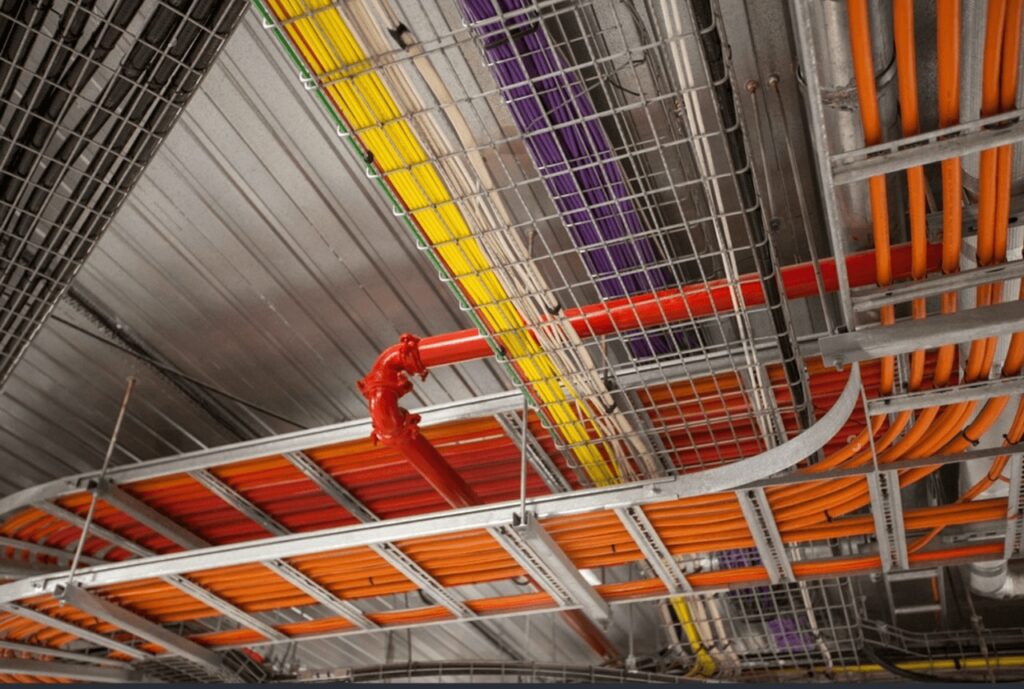
Understanding the differences between electrical raceways and conduits is essential when planning electrical systems for a construction project. Each system has its advantages depending on factors like the type of building, environmental conditions, and specific electrical needs.
By understanding these differences and considering factors like safety, compliance, cost, installation ease, and the specific demands of your project, you can make a more informed decision on which system will best protect and organize your electrical wiring.
In the following post, we will dive deeper into the details of raceways and conduits, exploring their types, benefits, and specific applications to help you choose the right solution for your electrical system.
2. What is an Electrical Raceway?
2.1 Definition and Basic Function
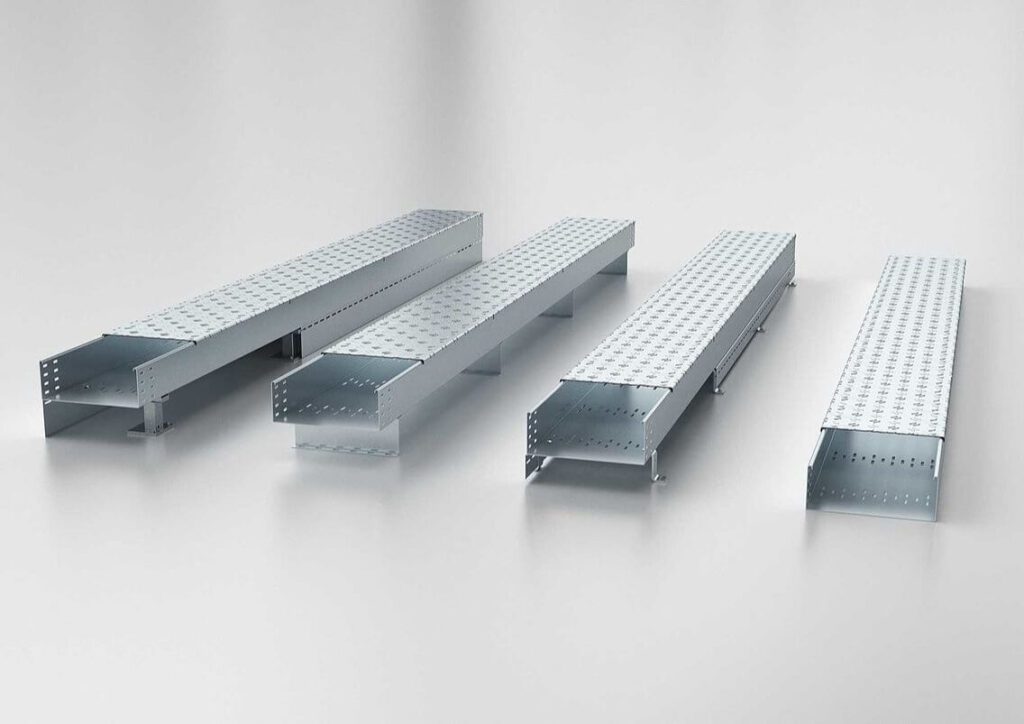
An electrical cable raceway is a system that serves as a pathway for electrical cables, providing a structure to route and organize multiple wires. They differ from conduits because they are usually open and not completely enclosed around the cables. Raceways can be mounted on surfaces, or sometimes underneath floors, to manage cable runs efficiently. They help keep cables neatly organized while offering protection from dust, debris, and physical damage.
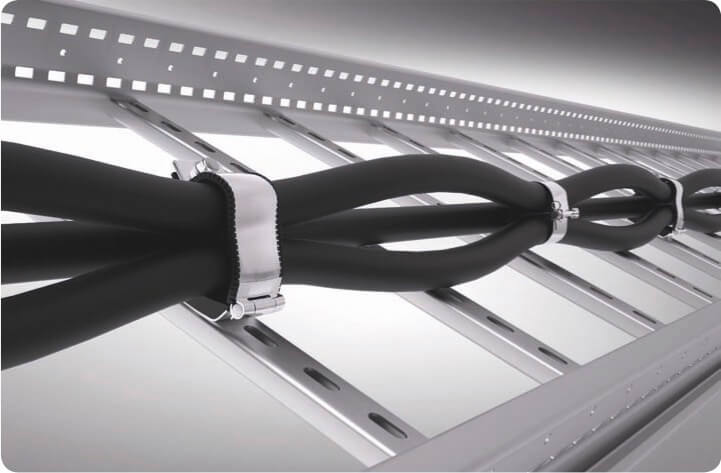
2.2 Key Functions of Electrical Cable Raceways:
Cable Organization: Cable raceways allow multiple cables to be routed together in an orderly manner, making it easier to maintain and modify wiring configurations when needed.
Physical Protection: While not fully enclosed, raceways still provide a degree of protection against environmental factors like dust, dirt, and light impacts, depending on the design.
Safety and Compliance: By keeping cables from tangling or being exposed to physical damage, raceways help prevent potential electrical hazards, ensuring compliance with safety standards.
Easy Modification: Because raceways are typically open or partially enclosed, they allow for easy access to the cables, making it easier to modify or add new wiring without needing to dismantle large sections.
2.3 How Electrical Raceways Work?
Cable raceways work by providing a track or channel along which cables can be routed and organized. The cables typically rest inside or along the raceway, often secured by brackets or clips.
Lắp đặt: Cable raceways are often installed on the surface of walls, ceilings, or along floors. They may be mounted with clips, screws, or adhesive, depending on the type and design of the raceway.
Routing Cables: Once installed, the cables are arranged within the raceway, following the path designated by the raceway system. They may be secured using clips or other fasteners to prevent movement or tangling.
Accessibility: Since raceways are typically open or only partially enclosed, cables can be accessed easily for repairs, upgrades, or future modifications. Raceways that mount to the surface allow for easy access without disassembling or removing large parts of the installation.
Protection from Hazards: While not completely enclosed like a conduit, a raceway still provides some protection from dust, dirt, moisture, and light impact. It helps to prevent cables from being exposed to environmental hazards, reducing the risk of wear and tear over time.
2.4 Types of Electrical Raceways
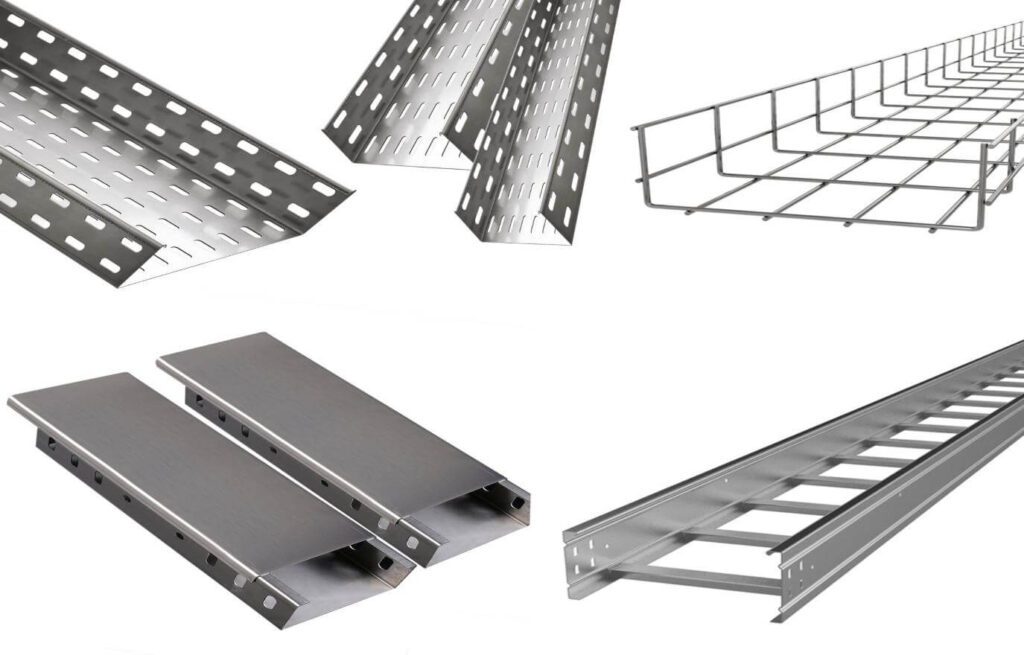
Here are some common types of non-enclosed electrical raceways used for cable management:
Cable Trays:
Sự miêu tả: Cable trays are open channels or trays used to route large groups of cables. These trays are often mounted along ceilings or walls and allow cables to be laid out in a neat and organized manner.
Common Types: Ladder, ventilated, or solid-bottom trays.
Applications: Frequently used in industrial and commercial settings, such as factories, power plants, or data centers, where large volumes of cables need to be managed over long distances.
Surface-Mounted Raceway (Wiremold):
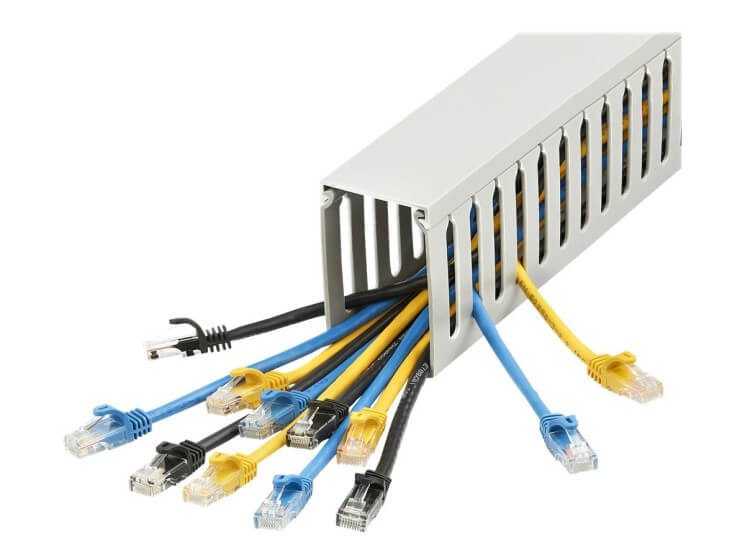
Sự miêu tả: Surface-mounted raceways are typically plastic or metal channels that run along walls or ceilings to route electrical wires. They are commonly used for low-voltage wiring, such as data cables or phone lines.
Applications: Used in residential or commercial spaces where cables need to be organized but are not embedded within walls. Often seen in home offices or entertainment systems.
Raceway Ducts:
Sự miêu tả: These are narrow, open ducts often used to house multiple cables along walls or ceilings. Unlike traditional conduit, raceway ducts don’t fully encase the cables, providing quick access for changes or additions.
Applications: Commonly used for low-voltage applications like telecommunications or audio/visual cables in commercial environments.
Open Cable Ladder Trays:
Sự miêu tả: Ladder trays are open design systems with horizontal rungs that support cables, similar to a ladder. These trays allow easy routing of cables while providing ample space for airflow to prevent heat buildup.
Applications: Typically used in data centers or industrial facilities where extensive cabling needs to be organized over large areas.
Cable Busways:
Sự miêu tả: Cable busways are modular, open raceway systems used for power distribution, consisting of aluminum or copper busbars housed in an open track.
Applications: These are commonly used for high-voltage and high-current applications in industrial or power generation settings.
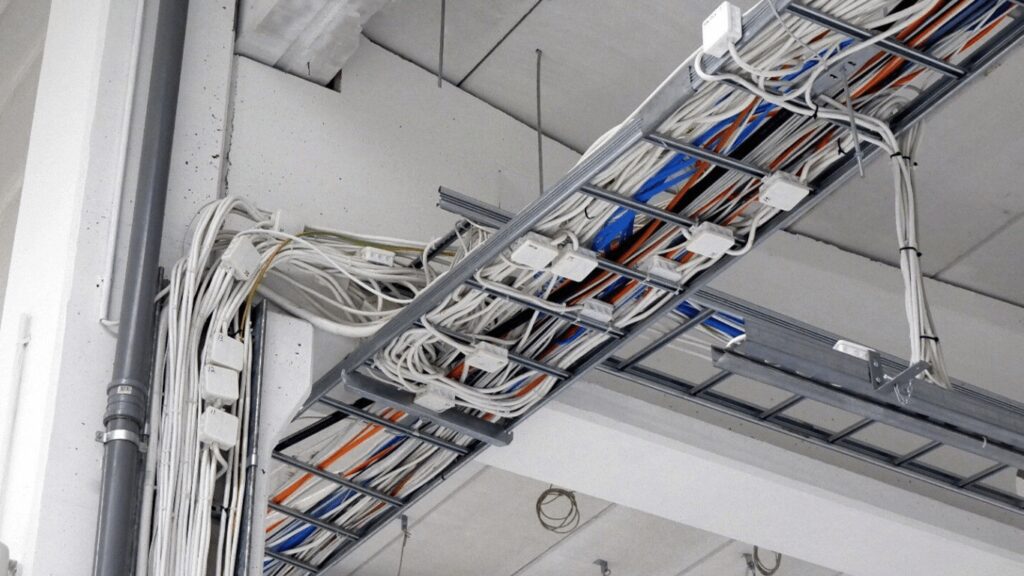
2.5 Why Use an Electrical Raceway?
Electrical raceways are used for several important reasons, particularly for organizing, protecting, and simplifying cable management systems:
Simplified Cable Management: Raceways help reduce cable clutter by grouping wires together in an organized manner. This makes it easier to manage multiple cables and ensures that systems remain clean and orderly.
Protection from Environmental Factors: Raceways provide a basic level of protection from dust, moisture, physical impact, and accidental abrasion, reducing the risk of damage to cables and prolonging their lifespan.
Safety and Compliance: Properly managing cables with raceways ensures compliance with safety regulations, reducing the risk of electrical hazards like fires or electrical shorts.
Accessibility: Since raceways are often open or partially enclosed, they provide easy access for cable modifications or replacements. This is particularly useful in spaces that need frequent changes or maintenance.
Aesthetic Considerations: Raceways help to maintain a clean and aesthetically pleasing environment by keeping cables hidden from view, especially in residential or commercial spaces.
2.6 Applications of Electrical Raceway
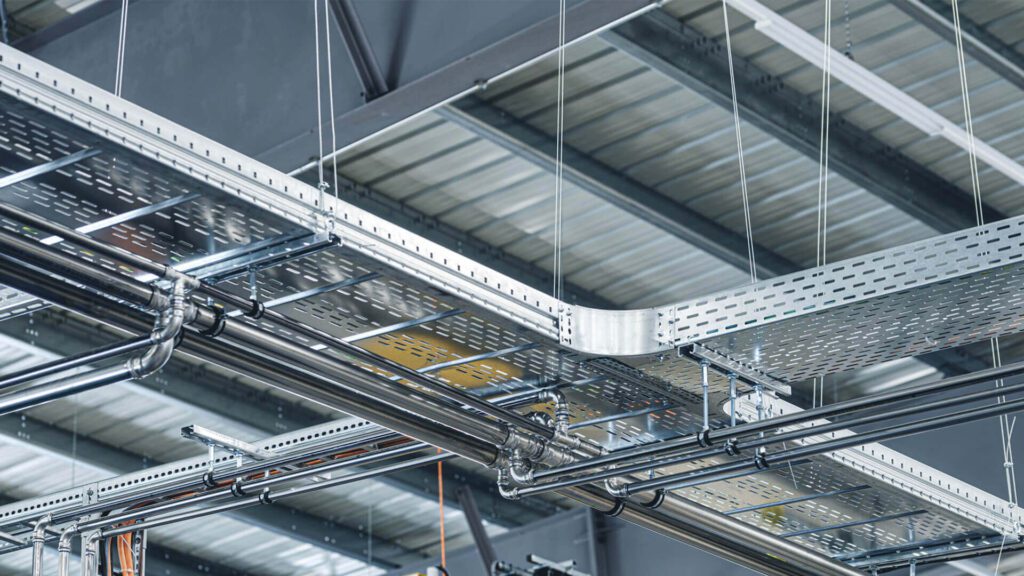
Electrical raceways are commonly used in a variety of settings for both low-voltage and high-voltage systems. Some of the typical applications include:
Residential and Commercial Buildings: Raceways are often used in homes and offices to organize and protect low-voltage wiring like data and phone cables, ensuring they’re neatly hidden or organized along walls.
Industrial and Manufacturing Facilities: In industrial environments, raceways are used to route heavy-duty electrical cables through production areas, ensuring that cables are protected from machinery and heavy traffic.
Data Centers: Raceways like cable trays are critical in data centers for organizing the large numbers of data cables that run between servers, routers, and other equipment.
Power Plants: For large-scale operations such as power plants, cable raceways provide a safe and organized way to route extensive electrical cables across expansive facilities.
Retail and Hospitality: In retail and hotel spaces, raceways help organize and protect the wiring for lighting, point-of-sale systems, and security systems, ensuring cables are kept neat and accessible for future maintenance.
3. What is an Electrical Conduit?

3.1 Definition and Basic Function
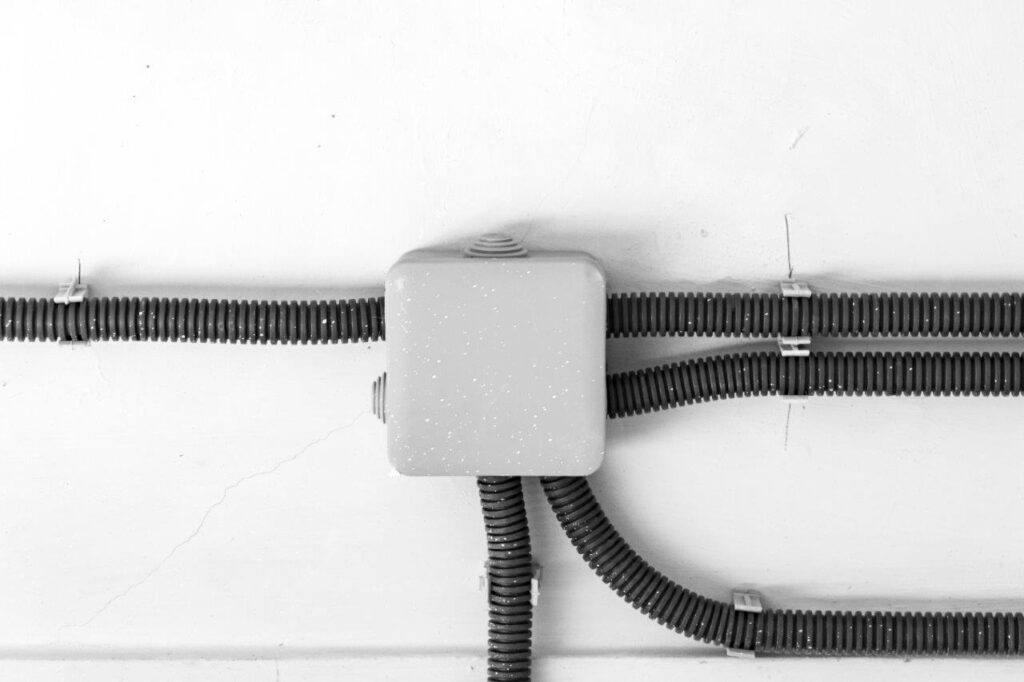
An electrical conduit is a type of pipe specifically designed to protect electrical cables and wires from external damage while providing a secure and organized route for wiring. The primary function of a conduit is to house electrical cables, safeguarding them against physical harm, moisture, corrosion, and other environmental factors that could potentially disrupt the safe operation of the electrical system. Conduits also ensure that electrical wiring remains properly organized and easily accessible for maintenance, upgrades, or future repairs.
3.2 How Electrical Conduit Works
Electrical conduits function as protective channels for electrical wiring. These conduits can be rigid or flexible, depending on the installation needs and the environmental conditions of the area. The conduit provides a secure and stable housing that keeps electrical cables from being damaged by impact, environmental elements (like water and chemicals), or accidental interference.
In typical applications, wiring is threaded through the conduit either during or after construction. The conduit itself may run along a building’s walls, floors, or ceilings, or it can be buried underground to provide long-term protection against the elements. Conduits also facilitate the ease of wire installation and maintenance, as they can be easily accessed, and the cables can be replaced or upgraded without having to remove significant portions of the building structure.
3.3 Why Use Electrical Conduit?
There are several important reasons why conduits are used in electrical installations:
Protection Against Physical Damage: Electrical conduits offer strong protection to electrical cables from external physical damage. Whether the cables are running along a busy street or in a high-traffic commercial area, conduits prevent them from being crushed, pierced, or cut. Without a protective conduit, cables are vulnerable to damage from equipment, tools, or even accidental impact. For example, an exposed wire running through a factory floor could easily be damaged by machinery, leading to potential electrical hazards. Conduits eliminate this risk by providing a solid barrier around the wiring.
Prevention of Environmental Damage: In harsh environments—such as outdoor areas exposed to moisture, extreme temperatures, or corrosive substances—electrical wiring is at risk of being compromised. Conduits provide a protective barrier that shields cables from elements like rain, snow, chemicals, or humidity, ensuring the integrity and longevity of the electrical system. For example, PVC conduits are commonly used in underground applications where moisture resistance is crucial, while steel conduits may be used in industrial areas with high temperatures or corrosive chemicals.
Organization of Electrical Wiring: One of the core functions of electrical conduits is to organize electrical wiring. Instead of having wires run loosely or exposed in a disorderly fashion, conduits help keep them contained and properly arranged. This not only helps to avoid clutter but also simplifies the process of installation, maintenance, and upgrades. In large buildings with numerous wires, such as office buildings, schools, or factories, having a conduit system helps reduce confusion, prevents wiring tangling, and allows technicians to work more efficiently.
Improved Safety: Electrical safety is paramount, and one of the key reasons for using conduits is to prevent electrical accidents. By encasing wiring in a conduit, you reduce the risk of accidental contact with live wires, thus minimizing the potential for electrical shock, fires, or short circuits. In areas where people may come into contact with the wiring—like commercial or residential spaces—conduits provide an extra layer of insulation, shielding the wiring from being exposed or damaged.
Code Compliance: Electrical codes and regulations, such as the National Electrical Code (NEC) in the United States, often mandate the use of conduits in specific environments or for particular types of electrical installations. For instance, underground wiring is often required to be run inside conduit to prevent moisture damage. Additionally, certain areas with increased fire risk (such as commercial kitchens or industrial facilities) may require conduits for added protection. Compliance with these codes ensures that the electrical system is safe, meets all necessary standards, and avoids penalties or complications in case of inspections.
Ease of Maintenance and Upgrades: One of the benefits of conduit systems is the ease with which electrical wiring can be maintained or upgraded. Wiring within a conduit is generally easier to access than in a traditional installation where wires are hidden behind walls or ceilings. If you need to replace old wiring or add new cables, the conduit system allows you to do so with minimal disruption. In contrast, rewiring a system without conduits often requires tearing out walls or ceilings, making the process more costly and time-consuming.
3.4 Types of Electrical Conduit Materials
Electrical conduits can be made from various materials, with each offering specific advantages depending on the environment, application, and installation requirements.
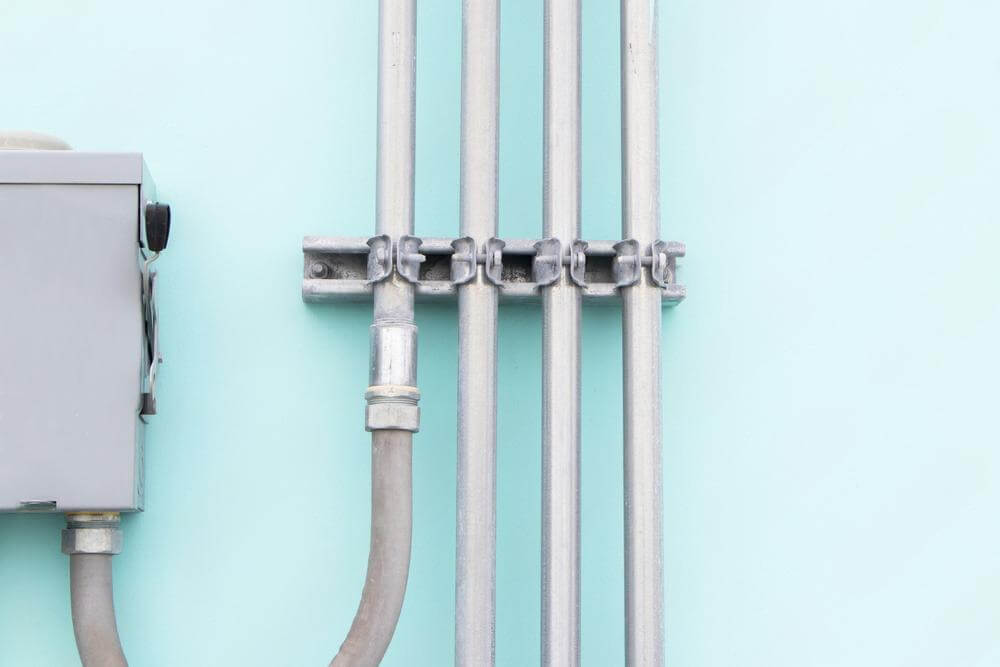
3.4.1 Metallic Conduits
Galvanized Rigid Steel (GRS): This is a heavy-duty conduit often used in industrial applications where protection from physical damage is critical. It is strong and durable, offering excellent protection against mechanical impact and environmental conditions.
Ống kim loại dẫn điện (EMT): EMT is a lightweight, thin-walled conduit made of galvanized steel. It is often used in commercial and residential installations where protection from physical damage is still important but where flexibility and ease of installation are also priorities.
Aluminum Conduit: This is a lighter alternative to steel conduit, offering corrosion resistance while still providing strong physical protection. Aluminum conduits are often used in outdoor environments or where weight is a concern.
Flexible Metal Conduit (FMC): This type of conduit is made from a spiral-wound metal strip, offering flexibility for applications where the conduit needs to bend around obstacles or where rigid conduit might be difficult to install. It is often used in settings that require movement or frequent changes, such as machinery or power equipment.
3.4.2 Non-Metallic Conduits:
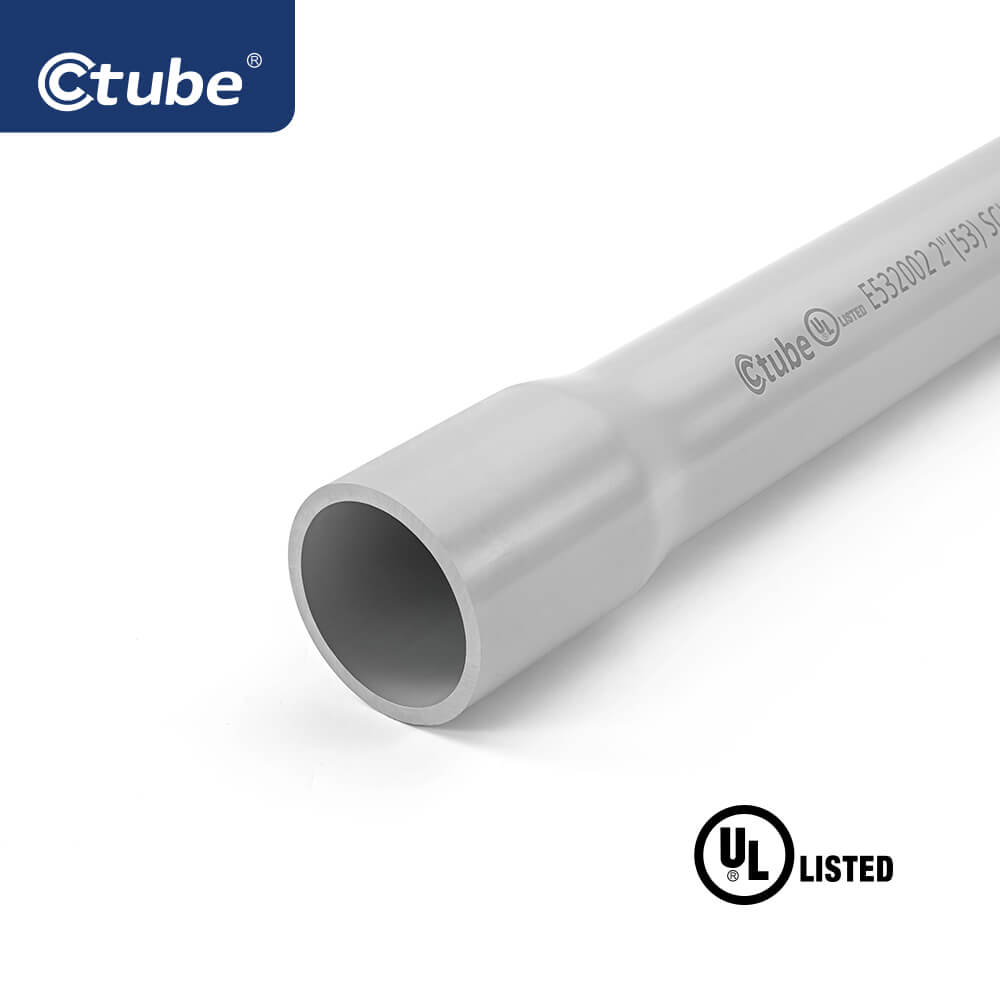
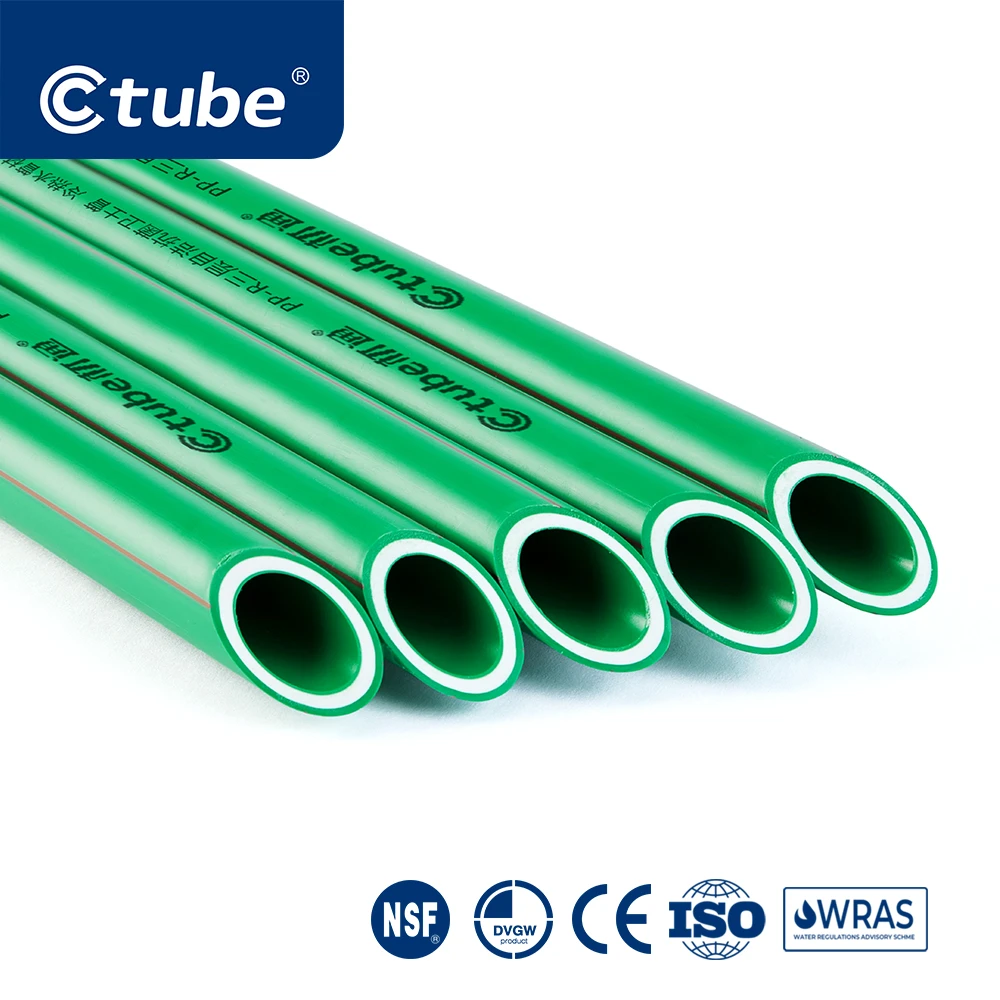
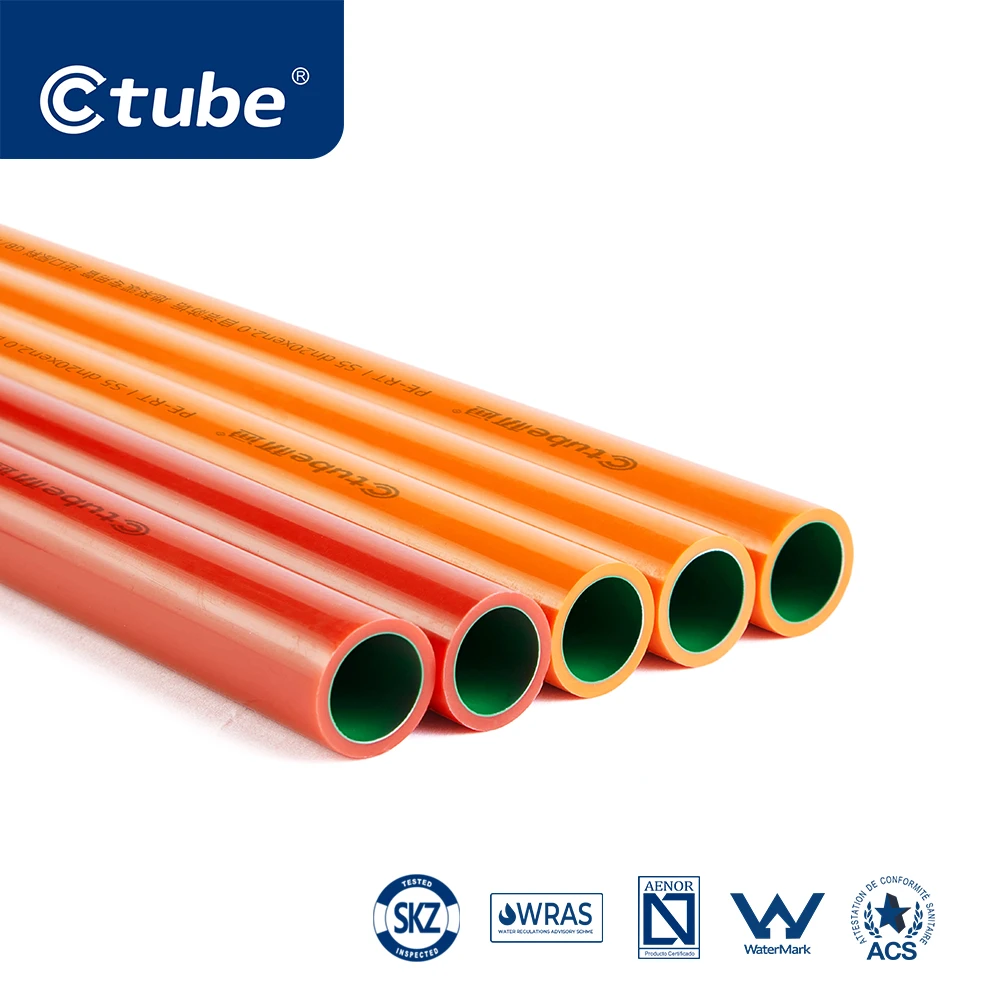
Ống dẫn PVC: Made from polyvinyl chloride, PVC is one of the most common types of non-metallic conduit. It is highly resistant to corrosion, moisture, and environmental damage, making it ideal for use in underground, wet, or corrosive environments. PVC conduit is lightweight, easy to install, and relatively inexpensive, making it a popular choice for residential and commercial installations.
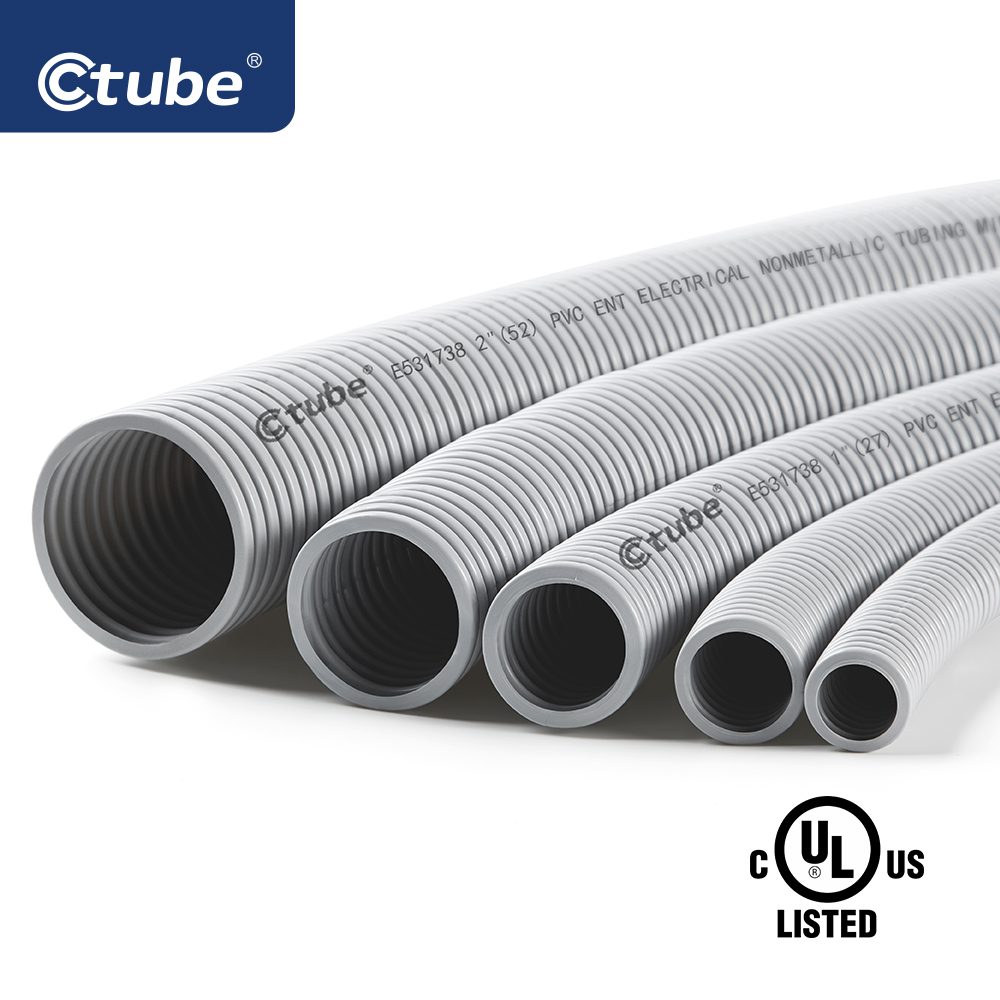
Typically have two types, rigid plain conduit and flexible conduit, flexible conduit so called corrugated conduit or ENT,we make a brief introduction alone in the following.
Non-Metallic Flexible Conduit /Electrical Non-Metallic Tubing(ENT):
Made from a flexible plastic material, this conduit is often used in environments where flexibility is required but a non-metallic option is preferred. It is lightweight, easy to install, and resistant to moisture and chemicals.
Fiberglass Conduit: Fiberglass is a corrosion-resistant material that provides excellent protection in harsh environments where metal conduits might not be suitable. Fiberglass conduits are typically used in areas exposed to chemicals, moisture, or extreme temperatures, where other conduit types might deteriorate over time.
HDPE Conduit: High-Density Polyethylene (HDPE) conduit is a type of non-metallic conduit made from a durable thermoplastic material. It is known for its flexibility, resistance to corrosion, and ability to withstand a variety of environmental conditions. HDPE conduits are widely used for electrical, telecommunications, and utility installations, particularly in underground and outdoor applications.
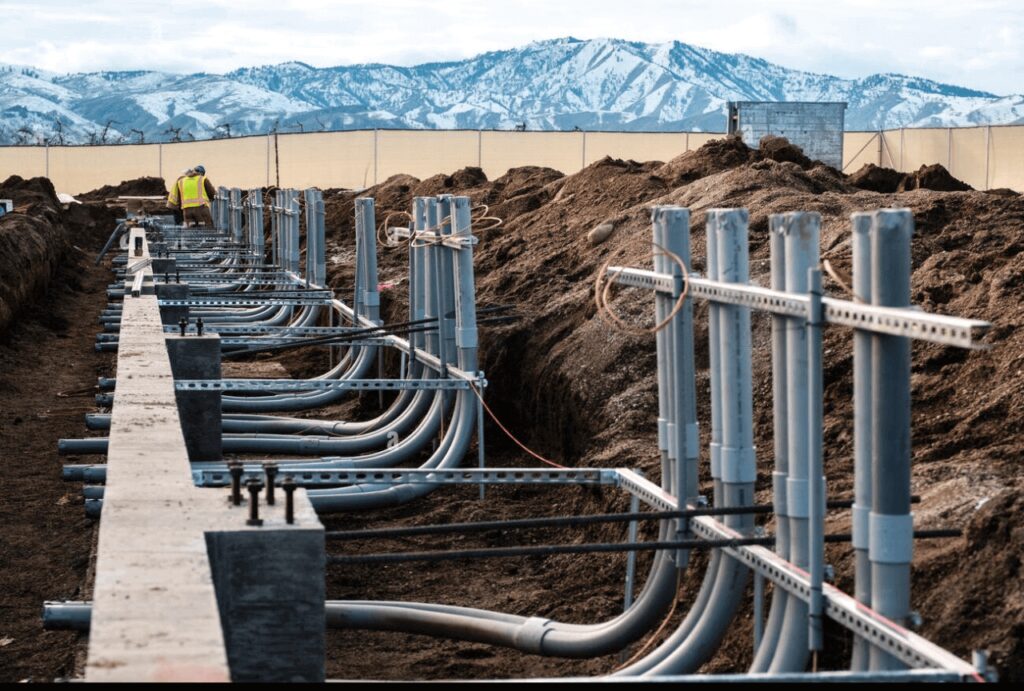
3.5 Applications of Electrical Conduit
Electrical conduits are used in a wide range of applications across different sectors, from residential buildings to large industrial facilities. Some of the most common applications include:
Residential Wiring: Conduits are often used in residential homes to route wiring for outlets, switches, and light fixtures. PVC conduit is commonly used in homes for wiring that runs outside or underground.
Tòa nhà thương mại: In commercial spaces like offices, shopping centers, and hospitals, conduits are used to ensure safe, organized wiring. EMT or GRS conduits are frequently used in commercial settings for exposed wiring.
Cơ sở công nghiệp: In factories or plants, electrical conduits are essential for protecting wiring from mechanical damage, chemicals, or extreme environmental conditions. Heavy-duty conduits such as GRS or fiberglass are often used in these settings.
Các công trình ngầm: Conduits provide crucial protection for wiring installed underground, where they are susceptible to moisture and physical damage. PVC conduit is the most common choice for underground applications.
4. Key Differences Between Electrical Raceway and Electrical Conduit
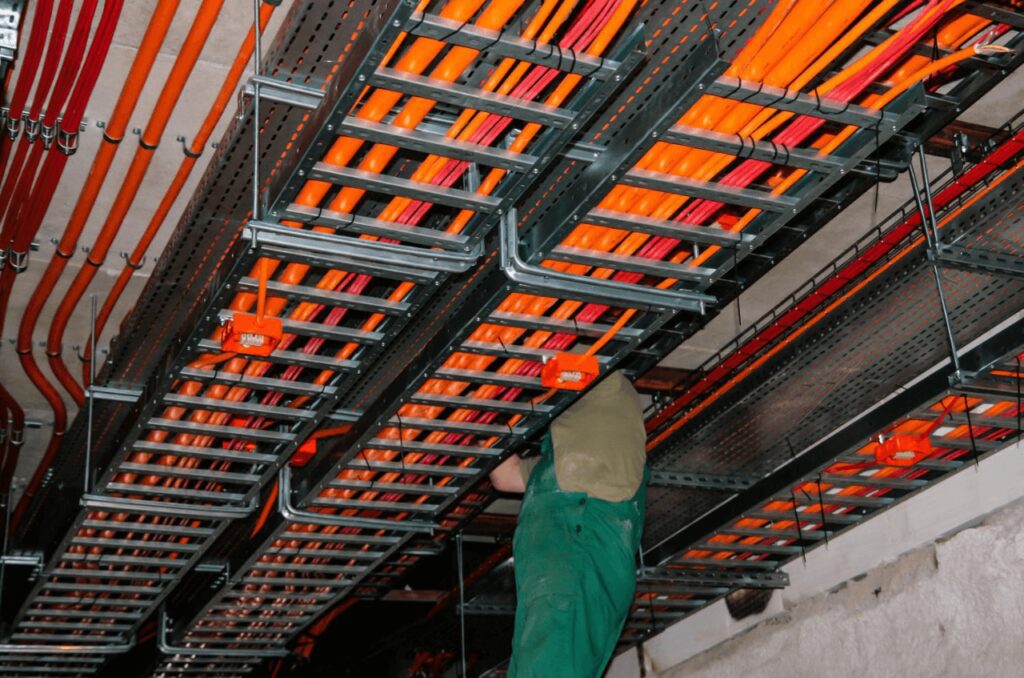
4.1 Shape and Design
Electrical Raceway:
Shape: Raceways are typically rectangular hoặc trough-like in shape, although their form can vary depending on the type. The general design features open or partially enclosed systems, allowing for multiple cables to be routed in an organized manner.
Flat or Low Profile: Many raceways are flat, surface-mounted systems (such as Wiremold), designed to sit flush against walls, ceilings, or floors. These raceways have a low-profile rectangular shape, making them easy to install along existing structures.
Modular and Expandable: Many raceways, such as wireways, are modular, which means they can be expanded and adjusted in length or layout to fit the specific needs of an installation. Their design allows for easy additions or modifications to the wiring as systems grow or change.
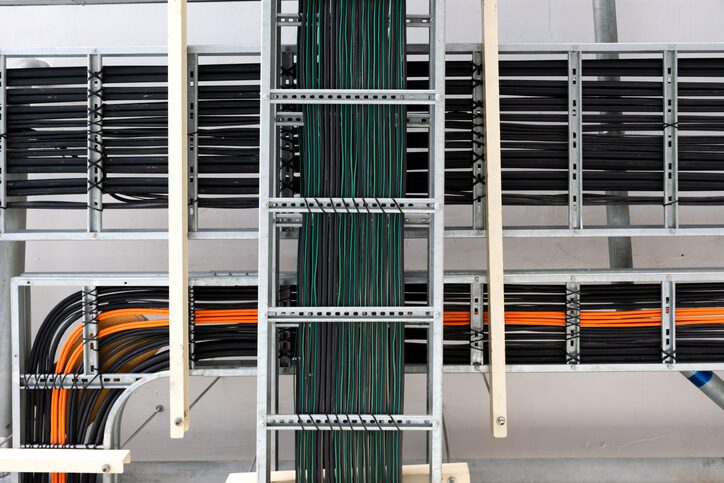
Electrical Conduit:
Shape: Conduits are cylindrical in shape and are typically either rigid hoặc flexible tubes. The cylindrical shape provides structural strength and durability, especially for protecting the electrical wires from external damage.
Rigid Conduits: These are solid tubes, typically made of PVC, steel, hoặc aluminum, and come in a round or circular cross-section. This cylindrical design makes them resistant to compression and ideal for protecting cables in harsh environments.
Flexible Conduits: These are typically corrugated, allowing them to bend easily to fit around corners or into tight spaces. Flexible metal conduit (FMC) Và liquid-tight flexible conduit (LFMC) are common types, often used for applications requiring bending or flexible routing.
| Tính năng | Electrical Raceway | Ống dẫn điện |
| Shape | Rectangular, flat, or trough-like; can be modular | Cylindrical (rigid or flexible tubes) |
| Design
Kiểu |
Open or partially enclosed (e.g., cable trays, wireways) | Fully enclosed (solid or corrugated tubes) |
| Installation Profile | Flat, low-profile for surface-mounted or recessed installations | Round for rigid or flexible piping |
| Capacity | Large open spaces, designed for multiple cables | Limited internal capacity, tailored for individual or smaller cable bundles |
| Protection | Provides limited protection; mainly for organization and accessibility | Superior protection from external damage, moisture, and environmental factors |
| Tính linh hoạt | Easily expandable and adaptable to new configurations | Flexible or rigid, but less adaptable after installation |
4.2 Installation Methods and Adaptability

Raceways
Surface-Mounted: Many raceways, especially surface-mounted varieties, are designed to be fixed to walls, ceilings, or floors using screws or adhesive. These types are often rectangular hoặc trough-shaped to allow cables to sit securely.
Recessed: Raceways can also be recessed into walls for a more aesthetic look. The rectangular or flat design fits neatly into drywalls, providing a hidden yet accessible path for cables.
Flexible Layouts: With modular designs, raceways can accommodate straight, curved, or complex paths and can easily be modified in the future without disrupting the system.
Conduits
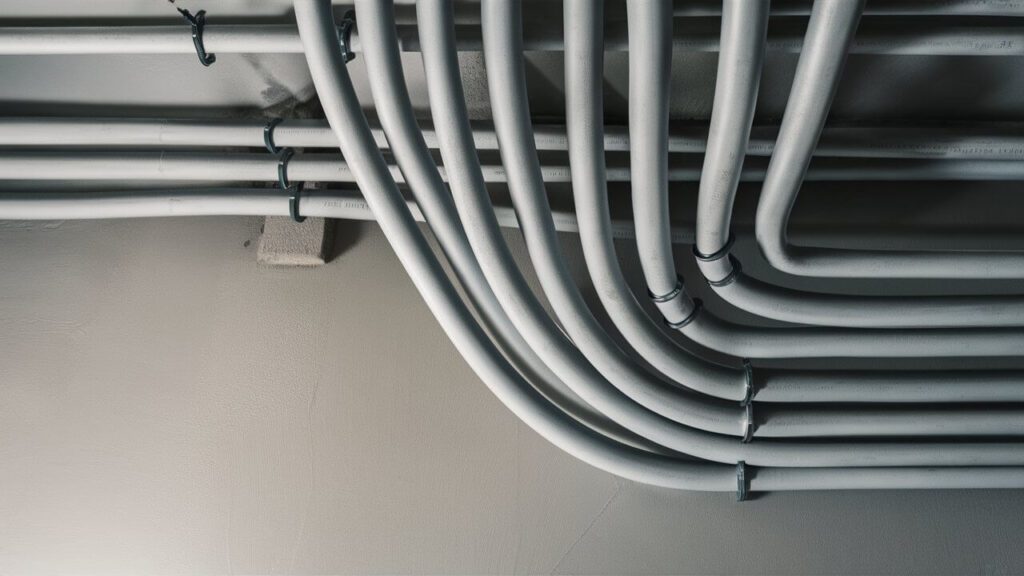
Fixed Pathways: Conduits, especially rigid conduits (PVC, steel), are typically installed along a fixed route that requires cutting, threading, and securing using clamps or joints.
Bending and Curving: Rigid conduit can be bent using specialized tools (e.g., conduit benders), but the process is more labor-intensive than with flexible raceways.
Limited Modification: Once installed, it’s harder to alter the conduit path without making significant changes or cuts. Flexible conduits, however, can be routed into tight or irregular spaces.
4.3 Physical Protection: Enclosed vs. Open Designs
Raceways
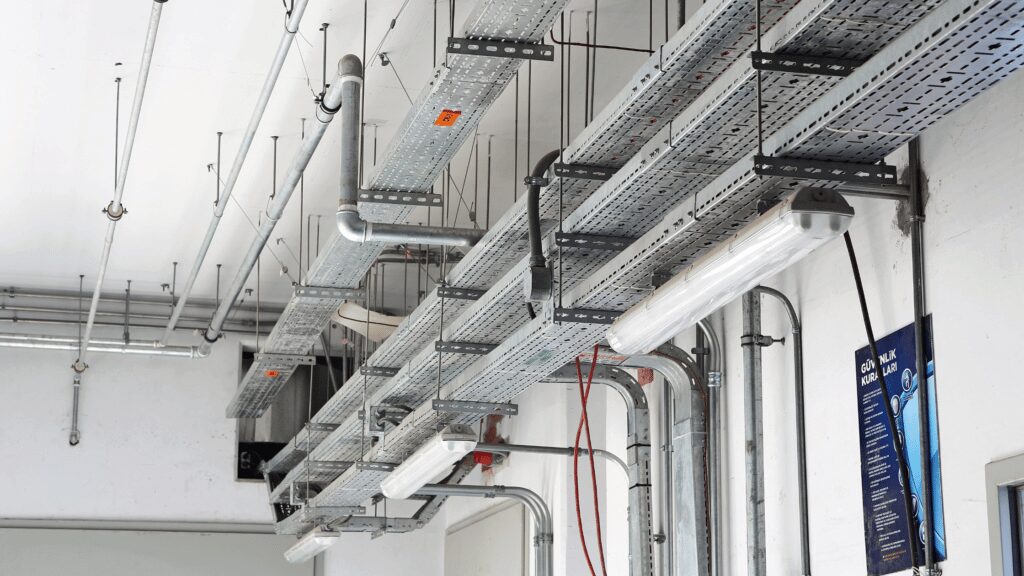
Partially Enclosed: Raceways like cable trays Và surface-mounted raceways are only partially enclosed, with open-bottom or removable covers. These designs allow for easier cable access and modification but provide limited protection from external impacts or environmental factors.
Access for Maintenance: Since raceways often have removable covers, they are ideal for maintenance, as technicians can quickly access the cables without disrupting the system.
Conduits
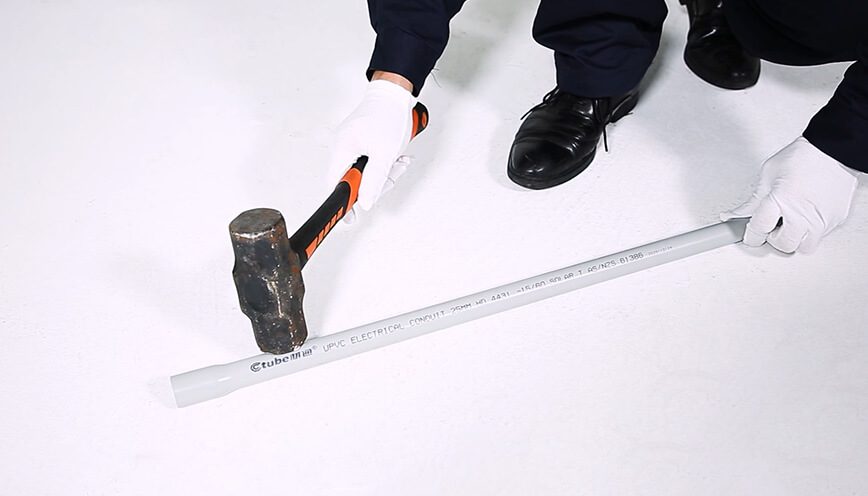
Fully Enclosed: Conduits are designed as fully enclosed systems, with a sealed cylindrical shape that protects wires from physical damage, moisture, and other environmental hazards.
Durable Protection: The cylindrical shape provides superior physical protection, especially in areas exposed to extreme conditions (e.g., industrial settings or outdoor environments).
4.4 Size and Capacity
Raceways
Larger Capacity for Multiple Cables: Raceways can handle a higher number of cables due to their wider, open designs. For instance, cable trays hoặc wireways can support multiple cables simultaneously, making them ideal for large-scale installations.
More Space for Ventilation: Open raceways like cable trays allow for better ventilation and cooling of cables, reducing the risk of overheating when carrying high-voltage or high-ampacity wiring.
Conduits
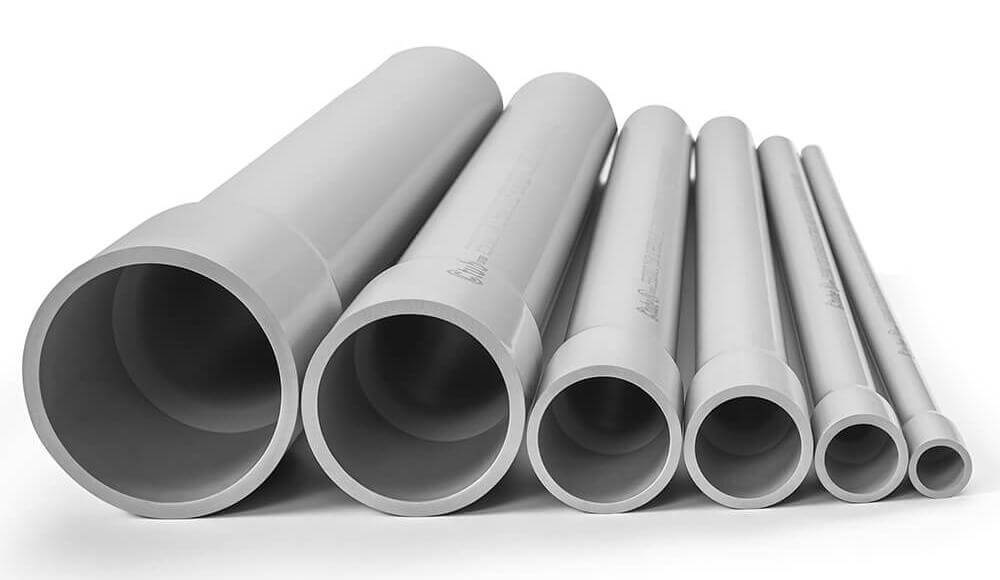
Tighter Capacity: Conduits, being cylindrical, generally have ít không gian hơn để quản lý dây cáp và tập trung hơn vào... bảo vệ các dây dẫn riêng lẻ.
Giới hạn công suất dòng điệnTiết diện bên trong của ống dẫn cáp bị hạn chế, do đó việc lựa chọn kích thước phù hợp là rất cần thiết để tránh hiện tượng quá nhiệt hoặc mài mòn quá mức đối với cáp. NEC giới hạn lượng chất lỏng trong ống dẫn đến 40% khu vực bên trong nhằm đảm bảo hoạt động an toàn.
5. Key Considerations for Choosing Between Raceway and Conduit
Khi thiết kế hệ thống điện, việc lựa chọn giữa máng dẫn dây và ống luồn dây là một quyết định quan trọng, ảnh hưởng đến cả sự an toàn và hiệu quả của việc lắp đặt. Cả hai hệ thống đều được sử dụng để bảo vệ và dẫn hướng dây điện, nhưng mỗi hệ thống lại có những đặc điểm, lợi ích và hạn chế riêng.
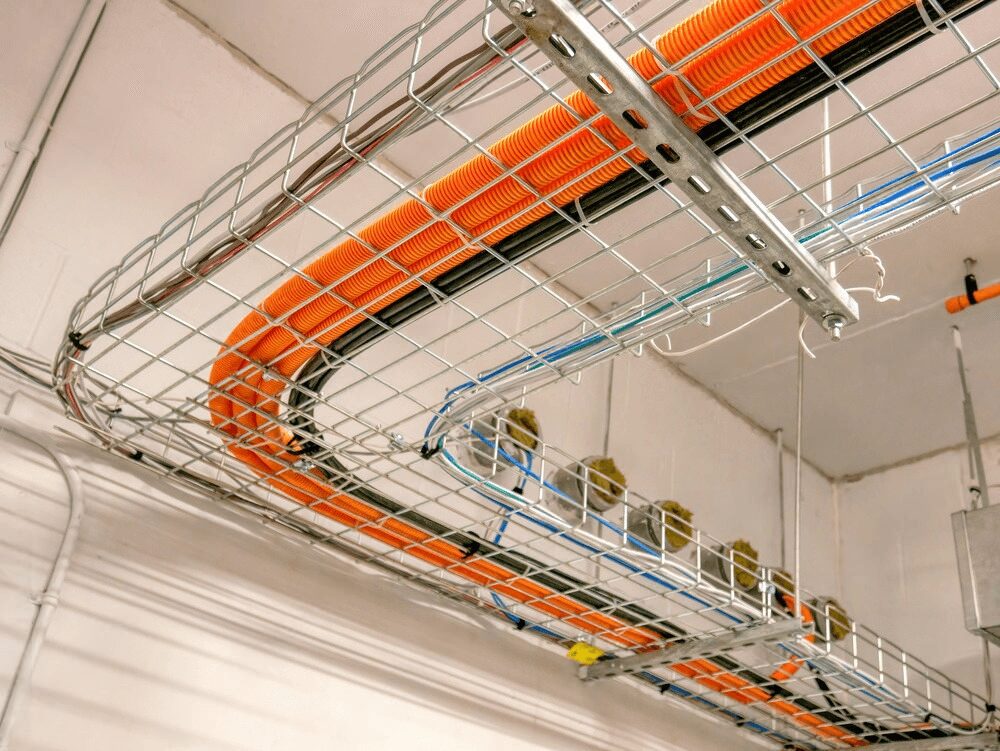
5.1 Type of Installation (Surface vs. Embedded)
Một trong những yếu tố chính cần cân nhắc khi lựa chọn giữa máng dẫn dây và ống luồn dây là liệu việc lắp đặt sẽ được thực hiện như thế nào. gắn trên bề mặt hoặc nhúng trong một cấu trúc. Sự lựa chọn này ảnh hưởng đáng kể đến cả quá trình lắp đặt hệ thống và chức năng lâu dài của nó.
RacewaysThông thường, máng dẫn dây được sử dụng cho: gắn trên bề mặt Các công trình lắp đặt nơi cáp và dây điện được để lộ hoặc sắp xếp một cách dễ nhìn thấy. Ống dẫn cáp nổi trên bề mặt, chẳng hạn như... Wiremold, Chúng rất lý tưởng cho những khu vực ưu tiên tính thẩm mỹ hoặc khả năng tiếp cận trong tương lai. Chúng dễ dàng lắp đặt, sửa đổi và mở rộng, khiến chúng trở thành một lựa chọn tốt cho... cải tạo hoặc hệ thống điện áp thấp (ví dụ: cáp dữ liệu, đường dây viễn thông).
Ví dụTrong các tòa nhà văn phòng, surface-mounted raceways Chúng thường được sử dụng để luồn các dây cáp dữ liệu điện áp thấp dọc theo tường, giúp chúng được sắp xếp gọn gàng và dễ tiếp cận để nâng cấp hoặc bảo trì.
Ống dẫnỐng dẫn thường được sử dụng trong nhúng hoặc âm tường việc lắp đặt, đặc biệt là khi các dây cáp cần được được bảo vệ do hư hỏng vật lý. Ống dẫn cứng (ví dụ, RMC hoặc EMTChúng rất lý tưởng cho các ứng dụng cần bảo vệ hệ thống dây dẫn một cách an toàn khỏi các tác động bên ngoài hoặc điều kiện môi trường.
Ví dụ: Ống dẫn điện Chúng thường được sử dụng cho hệ thống dây dẫn tải nặng trong các ứng dụng công nghiệp, nơi dây dẫn được chôn trong tường hoặc dưới lòng đất để tránh hư hỏng và đảm bảo tuân thủ các quy định an toàn.
5.2 Safety and Compliance with Standards
An toàn là yếu tố quan trọng cần cân nhắc khi lựa chọn giữa máng dẫn dây và ống dẫn điện. Cả hai hệ thống đều có chức năng bảo vệ dây dẫn điện bên trong, nhưng chúng cung cấp các mức độ bảo vệ khác nhau. sự bảo vệ Dựa trên các vật liệu được sử dụng và môi trường lắp đặt. Điều quan trọng nữa là phải đảm bảo tuân thủ các quy định liên quan. quy tắc xây dựng Và tiêu chuẩn an toàn.
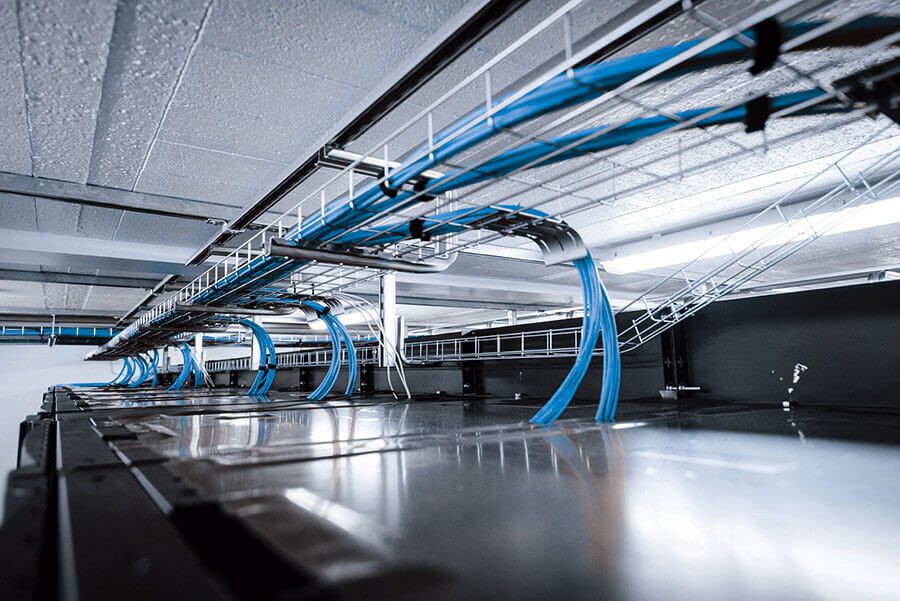
RacewaysCác loại máng dẫn dây điện cung cấp các mức độ bảo vệ khác nhau tùy thuộc vào loại. Ví dụ:, cable trays cung cấp mức độ cao bảo vệ vật lý Đối với nhiều dây cáp nhưng không được bao bọc hoàn toàn, điều này có thể khiến dây cáp tiếp xúc với bụi, hơi ẩm và hư hỏng vật lý. Tuy nhiên, các máng dẫn dây như... wireways hoặc đường dành cho xe buýt Chúng được bao kín hoàn toàn và cung cấp khả năng bảo vệ nâng cao.
Quy địnhKhi sử dụng máng dẫn dây, điều quan trọng là phải kiểm tra... Bộ luật điện quốc gia (NEC) Và quy định địa phương để đảm bảo hệ thống dây điện đáp ứng các tiêu chuẩn an toàn, đặc biệt là về khả năng lấp đầy và tản nhiệt.
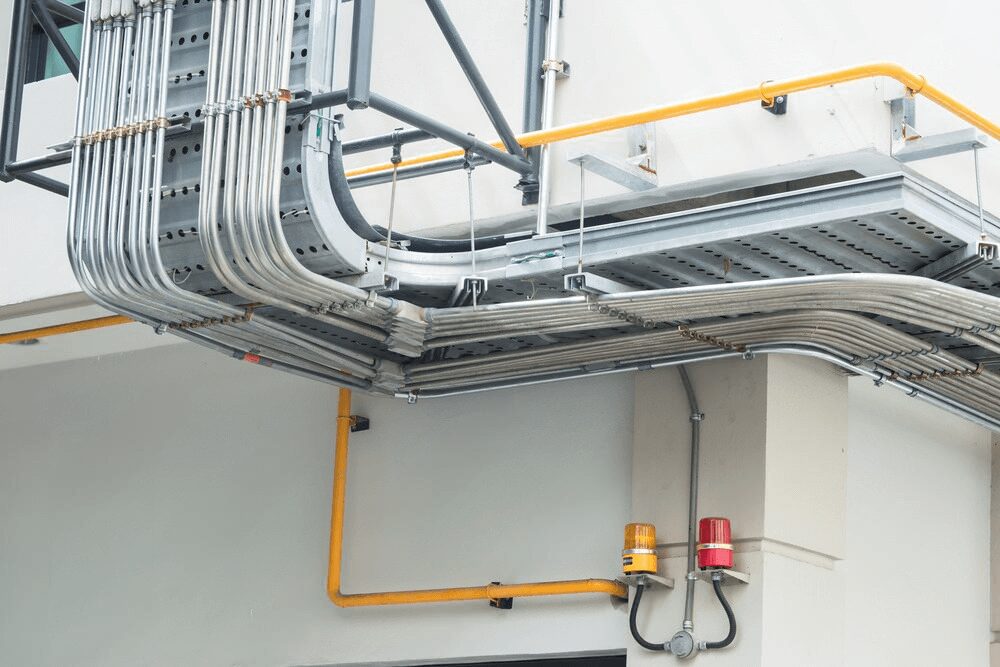
Ống dẫn: Các đường dẫn, đặc biệt là kim loại Và rigid nhiều loại, cung cấp khả năng bảo vệ vượt trội khỏi hư hại vật lý, tiếp xúc hóa chất và mối nguy hiểm môi trường. Ống dẫn PVC, Mặc dù kém bền hơn ống dẫn kim loại, nhưng nó vẫn được sử dụng rộng rãi cho các ứng dụng đòi hỏi độ bền cao. khả năng chống ăn mòn Và bảo vệ chống ẩm.
Tuân thủ an toàn: Hệ thống ống dẫn, đặc biệt là cho bí mật hoặc lắp đặt ngoài trời, phải tuân thủ Quy định của NEC, Bao gồm cả việc nối đất và liên kết đúng cách, để giảm nguy cơ bị điện giật hoặc cháy nổ.
5.3 Environmental Conditions (Temperature, Moisture, and Exposure)
Điều kiện môi trường nơi hệ thống dây dẫn sẽ được lắp đặt đóng vai trò quan trọng trong việc xác định xem máng dẫn dây hay ống luồn dây là lựa chọn tốt nhất. Các yếu tố như nhiệt độ, độ ẩm, Và tiếp xúc với hóa chất sẽ quyết định loại vật liệu và thiết kế hệ thống nào phù hợp hơn.
Raceways: Các đường dẫn điện thường được sử dụng nhiều hơn trong khô Và môi trường trong nhà, trong đó dự kiến sẽ có mức độ tiếp xúc tối thiểu với các điều kiện khắc nghiệt. Ví dụ, surface-mounted raceways hoạt động tốt trong các tòa nhà văn phòng, khu dân cư, hoặc các khu vực có nguy cơ ẩm ướt hoặc hư hỏng vật lý thấp. Tuy nhiên, trong môi trường công nghiệp hoặc ngoài trời, máng dẫn điện có thể không cung cấp đủ sự bảo vệ chống lại các yếu tố như... cơn mưa, bụi, hoặc nhiệt độ cực đoan.
Ống dẫnỐng dẫn được thiết kế đặc biệt cho mục đích này. môi trường khắc nghiệt. Ví dụ, Ống dẫn PVC có thể được sử dụng ngoài trời hoặc dưới lòng đất, trong khi ống dẫn kim loại có thể xử lý nhiệt độ cực đoan, mài mòn, hoặc tiếp xúc với hóa chất trong môi trường công nghiệp.
Ví dụ: TRONG ngoài trời các công trình lắp đặt, PVC hoặc Ống dẫn HDPE được ưu tiên cho các ứng dụng trong đó khả năng chống ẩm Và độ bền rất quan trọng, chẳng hạn như hệ thống dây điện ngầm hoặc các công trình lắp đặt trong môi trường ẩm ướt.
5.4 Installation Complexity and Cost
Quá trình lắp đặt và chi phí liên quan có thể là những yếu tố quan trọng khi lựa chọn giữa máng dẫn dây và ống dẫn. Các yếu tố này có thể phụ thuộc vào loại hệ thống, độ dễ lắp đặt và ngân sách tổng thể của dự án.
RacewaysĐường đua, đặc biệt là các loại gắn trên bề mặt, có xu hướng là dễ dàng hơn và nhanh hơn Việc lắp đặt phức tạp hơn so với sử dụng ống dẫn. Ví dụ, khuôn dây các hệ thống này yêu cầu cắt gọt tối thiểu và thường được sử dụng cho lắp đặt cải tạo Trong trường hợp cáp được luồn dọc theo các bức tường hiện có. Ống dẫn cáp thường ít tốn kém hơn và dễ sử dụng hơn, do đó rất phù hợp cho các ứng dụng như: các dự án ngân sách thấp hoặc các khu vực dự kiến sẽ có những thay đổi trong tương lai.
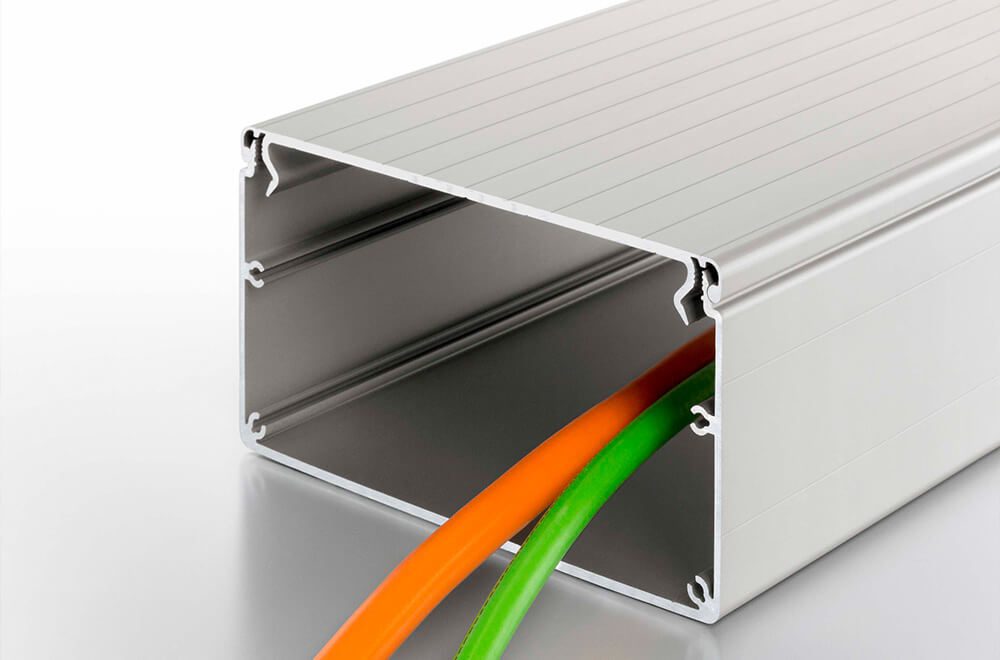
Trị giáChi phí ban đầu của đường đua Hệ thống này có thể có chi phí thấp hơn so với hệ thống ống dẫn, nhưng chi phí dài hạn có thể tăng lên nếu cần phải sửa đổi hoặc nếu chúng cung cấp khả năng bảo vệ kém hơn trong một số điều kiện nhất định.
Ống dẫnViệc lắp đặt ống dẫn cứng các hệ thống có thể tốn nhiều nhân công hơn Và tốn thời gian So với máng dẫn dây, ống dẫn kim loại cần phải cắt, uốn và tạo ren, điều này có thể làm tăng thời gian và chi phí lắp đặt. Tuy nhiên, đối với môi trường rủi ro cao hoặc những địa điểm cần có sự bảo vệ vật lý, ống dẫn cứng Đây thường là lựa chọn được ưu tiên mặc dù chi phí ban đầu cao hơn.
Chi phí lao động: Cài đặt ống dẫn cứng hệ thống, đặc biệt là thép hoặc nhôm, Điều này có thể làm tăng đáng kể chi phí nhân công do sự phức tạp trong việc lắp ráp, ren và cài đặt. Tuy nhiên, đối với lắp đặt dài hạn, Tuy nhiên, độ bền và khả năng bảo vệ được tăng cường có thể biện minh cho chi phí lắp đặt cao hơn.
5.5 Future Flexibility and Maintenance
Việc chuẩn bị hệ thống điện để dễ dàng nâng cấp hoặc sửa đổi trong tương lai là một yếu tố quan trọng khác cần xem xét. Một số hệ thống dễ sửa đổi hoặc bảo trì hơn những hệ thống khác, tùy thuộc vào thiết kế của chúng.
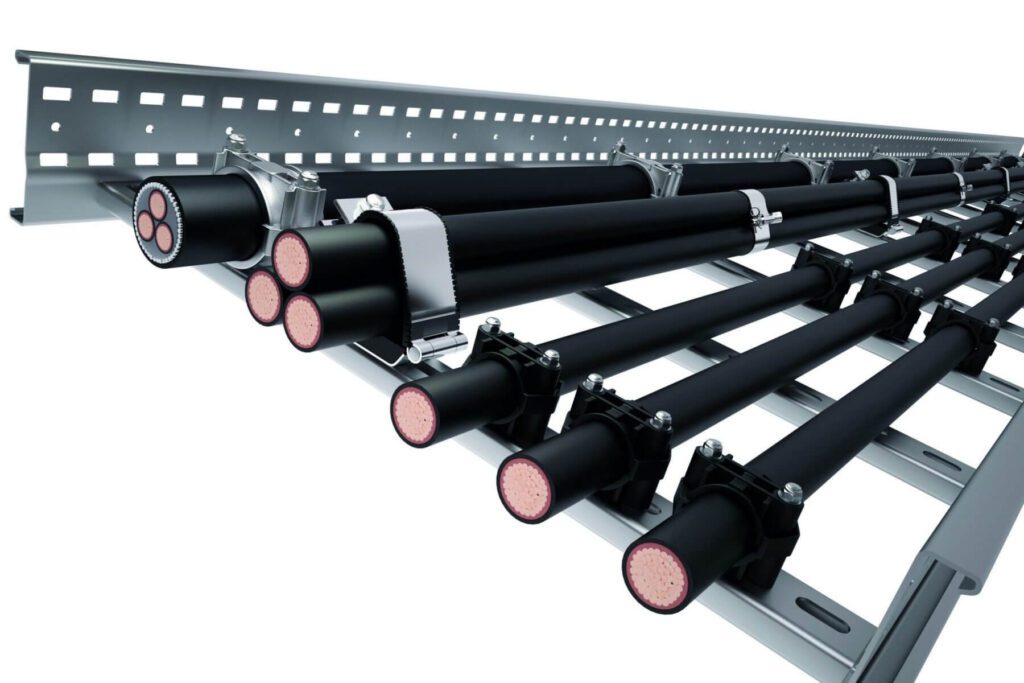
RacewaysMột trong những ưu điểm lớn nhất của máng dẫn sóng là... tính linh hoạt. Hầu hết các máng dẫn dây điện đều có thể dễ dàng sửa đổi, mở rộng hoặc nâng cấp, khiến chúng trở thành lựa chọn tuyệt vời cho những khu vực cần thay đổi hoặc bổ sung trong tương lai. Cấu trúc mở của máng dẫn dây điện cho phép tiếp cận dây dẫn nhanh chóng, giúp việc bảo trì dễ dàng và nhanh hơn.
Ví dụTrong các tòa nhà văn phòng hoặc không gian thương mại, các đường ống dẫn như... khuôn dây gắn trên bề mặt Cho phép dễ dàng điều chỉnh đường đi của dây điện mà không cần thay đổi đáng kể cấu trúc tòa nhà.
Ống dẫnTrong khi hệ thống ống dẫn thì... Vĩnh viễn, Việc sửa đổi chúng sau khi lắp đặt có thể gặp nhiều khó khăn, đặc biệt là đối với... các loại cứng. Tuy nhiên, ống dẫn mềm (ví dụ, FMC(Phần mềm này) có thể cung cấp khả năng điều chỉnh đường dẫn dây một cách dễ dàng, mang lại sự linh hoạt hơn trong việc... lắp đặt tạm thời hoặc môi trường nơi dự kiến sẽ có những thay đổi thường xuyên.
5.6 Aesthetic and Visibility
Các yếu tố thẩm mỹ có thể đóng vai trò trong việc lựa chọn giữa máng dẫn dây và ống dẫn, đặc biệt là trong... thuộc về thương mại Và nhà ở những không gian mà hình thức của hệ thống dây điện rất quan trọng.
RacewaysỐng dẫn dây điện gắn nổi thường dễ nhìn thấy và có thể được tích hợp vào thiết kế nội thất để giảm thiểu sự hiện diện của chúng. Có nhiều loại ống dẫn dây điện với nhiều kích thước khác nhau. màu sắc Và hoàn thiện, cho phép chúng hòa nhập vào môi trường xung quanh hoặc phù hợp với phong cách trang trí.
Ống dẫnỐng dẫn thường kém thẩm mỹ hơn, đặc biệt là khi được sử dụng trong ứng dụng gắn trên bề mặt. Tuy nhiên, chúng cung cấp khả năng bảo vệ vượt trội cho hệ thống dây dẫn, điều này khiến chúng được ưa chuộng hơn trong môi trường công nghiệp, ngoài trời hoặc những môi trường có rủi ro cao.
6. Kết luận
Việc lựa chọn giữa máng dẫn dây và ống dẫn cáp là một quyết định phức tạp phụ thuộc vào nhiều yếu tố, bao gồm loại hình lắp đặt, điều kiện môi trường, yêu cầu an toàn, ngân sách và nhu cầu bảo trì. Máng dẫn dây thường dễ lắp đặt và tiết kiệm chi phí hơn, thường được sử dụng trong các ứng dụng lắp đặt nổi, rủi ro thấp. Mặt khác, ống dẫn cáp cung cấp khả năng bảo vệ dây dẫn tốt hơn trong môi trường khắc nghiệt và thường được yêu cầu cho các lắp đặt ngầm hoặc trong tường.
Bằng cách xem xét các yêu cầu cụ thể của dự án điện của bạn—cho dù đó là an toàn, chi phí, tính linh hoạt trong tương lai hay các yếu tố môi trường—bạn có thể đưa ra quyết định sáng suốt giữa máng dẫn dây và ống dẫn để đảm bảo hiệu suất hệ thống tối ưu và tuổi thọ lâu dài.
Chúng tôi hiểu rằng việc lựa chọn hệ thống ống dẫn điện và máng dẫn điện phù hợp là yếu tố thiết yếu cho sự thành công của bất kỳ công trình lắp đặt điện nào. Là một nhà sản xuất ống dẫn PVC chuyên nghiệp có trụ sở tại Trung Quốc, Ctube chuyên sản xuất các sản phẩm chất lượng cao. Ống dẫn PVC, cũng như nhiều loại phụ kiện được thiết kế cho cả ứng dụng dân dụng và công nghiệp.
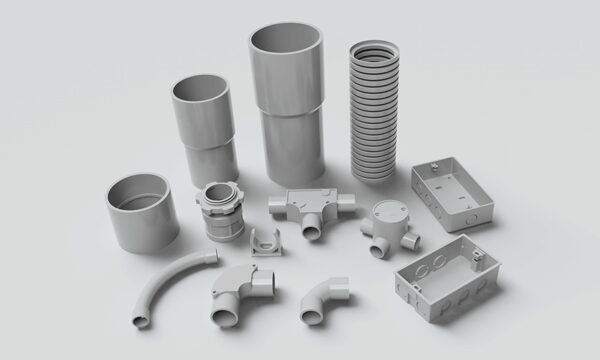
Sản phẩm của chúng tôi được thiết kế với tiêu chí độ bền, tính linh hoạt và dễ lắp đặt, mang lại khả năng bảo vệ vượt trội trước các tác động từ môi trường, hóa chất và biến động nhiệt độ. Cho dù bạn cần ống dẫn PVC cứng, ống dẫn mềm, Cho dù là giải pháp tùy chỉnh hay giải pháp theo yêu cầu, Ctube cung cấp các giải pháp đáng tin cậy và tiết kiệm chi phí, được thiết kế riêng để đáp ứng các yêu cầu cụ thể của dự án của bạn.
Nếu bạn đang tìm kiếm hệ thống ống dẫn điện tốt nhất để đảm bảo lắp đặt an toàn, hiệu quả và tuân thủ các quy định, Ctube là đối tác đáng tin cậy của bạn với các giải pháp hiệu suất cao.
Cảm ơn bạn đã đọc, và chúc bạn thành công với các dự án của mình.
Câu hỏi thường gặp
Ống dẫn điện và máng dẫn dây điện có gì khác nhau?
Sự khác biệt chính giữa máng dẫn dây điện và ống dẫn điện là cấu trúc và mức độ bảo vệ của chúng. Máng dẫn dây điện thường là hệ thống mở dùng để sắp xếp và dẫn hướng dây cáp, trong khi ống dẫn điện là các ống kín giúp bảo vệ hoàn toàn dây cáp điện khỏi hư hại bên ngoài. Máng dẫn dây điện thường được sử dụng để lắp đặt nổi trên bề mặt và giúp dễ dàng tiếp cận dây cáp hơn, trong khi ống dẫn điện thường được chôn dưới đất hoặc giấu bên trong tường để tăng cường khả năng bảo vệ.
Ống dẫn dây điện bảo vệ dây cáp như thế nào?
Mặc dù máng dẫn cáp không bao bọc hoàn toàn cáp như ống dẫn, chúng vẫn cung cấp một số biện pháp bảo vệ khỏi hư hại vật lý, các yếu tố môi trường (như bụi và độ ẩm) và hao mòn ngẫu nhiên. Ví dụ, khay hoặc ống dẫn cáp giúp cáp không bị rối, và máng dẫn cáp gắn nổi giúp ngăn cáp bị va đập hoặc mài mòn từ các vật thể xung quanh.
Tôi cần lắp đặt ống dẫn điện như thế nào?
Quy trình lắp đặt có thể khác nhau tùy thuộc vào loại ống dẫn, nhưng nhìn chung bao gồm các bước sau:
Lập kế hoạch tuyến đường: Phác thảo lộ trình đường ống dẫn và đo chiều dài cần thiết.
Cắt ống dẫn: Sử dụng cưa tay, máy cắt ống hoặc dụng cụ chuyên dụng để cắt ống dẫn theo chiều dài cần thiết.
Lắp đặt và kết nối: Sử dụng các đầu nối, cút nối và khớp nối để nối các đoạn ống dẫn. Đối với ống dẫn cứng, các phụ kiện phải có ren, trong khi ống dẫn mềm cần kẹp hoặc đầu nối.
Cố định ống dẫn: Gắn ống dẫn vào tường, trần nhà hoặc sàn nhà bằng dây đai, kẹp hoặc giá đỡ ống dẫn.
Luồn dây điện: Sau khi ống dẫn được lắp đặt, hãy cẩn thận luồn dây điện qua ống dẫn bằng dây dẫn chuyên dụng hoặc các dụng cụ luồn dây khác.




 English
  French
  Spanish
  German
  Arabic
  Indonesian
  Vietnamese