
In recent years, there has been a significant change in consumer preferences towards conduit products that prioritize both quality and environmental consciousness. This trend is particularly evident in the construction and manufacturing industries, where the choice of materials plays a crucial role. Compare PVC pipes to Low Smoke Zero Halogen (LSZH) pipes, find out what’s the difference and their advantages and characteristics, such as flame propagation, smoke emission, and have toxic fume or not.
PVC Pipes:
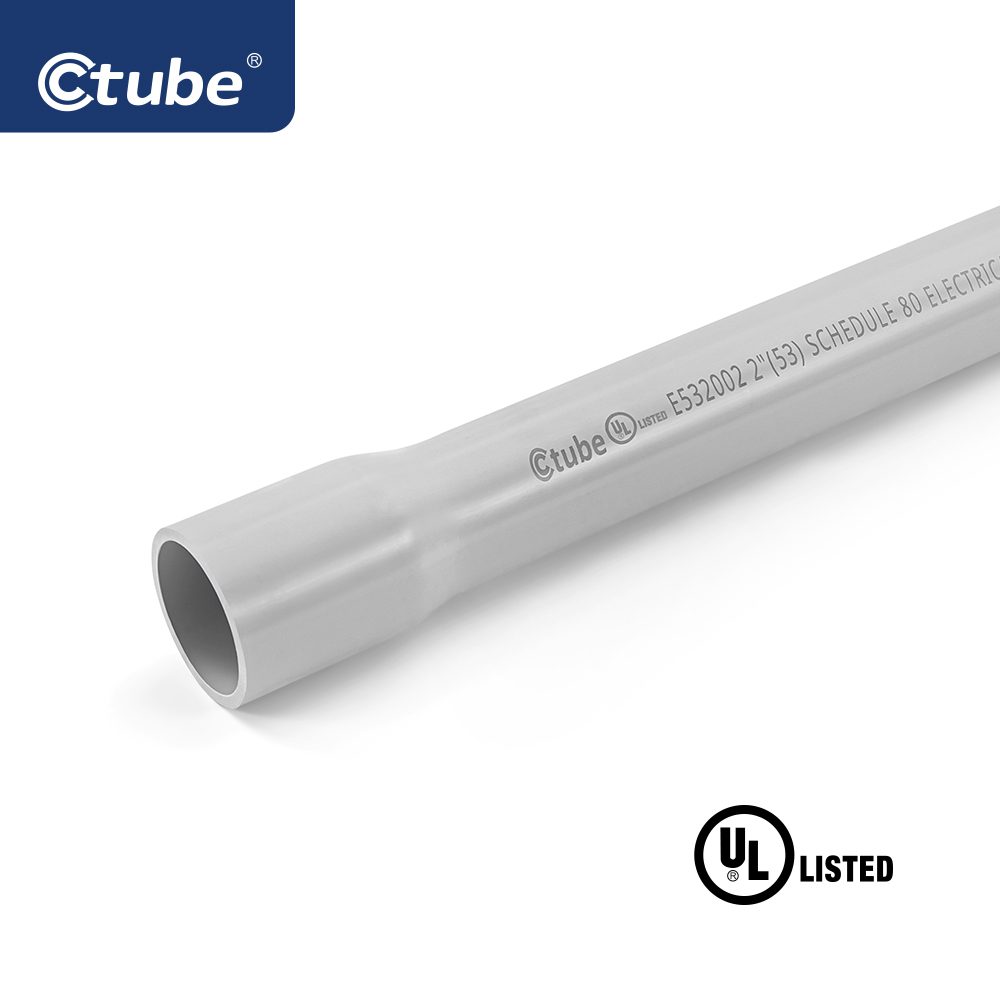
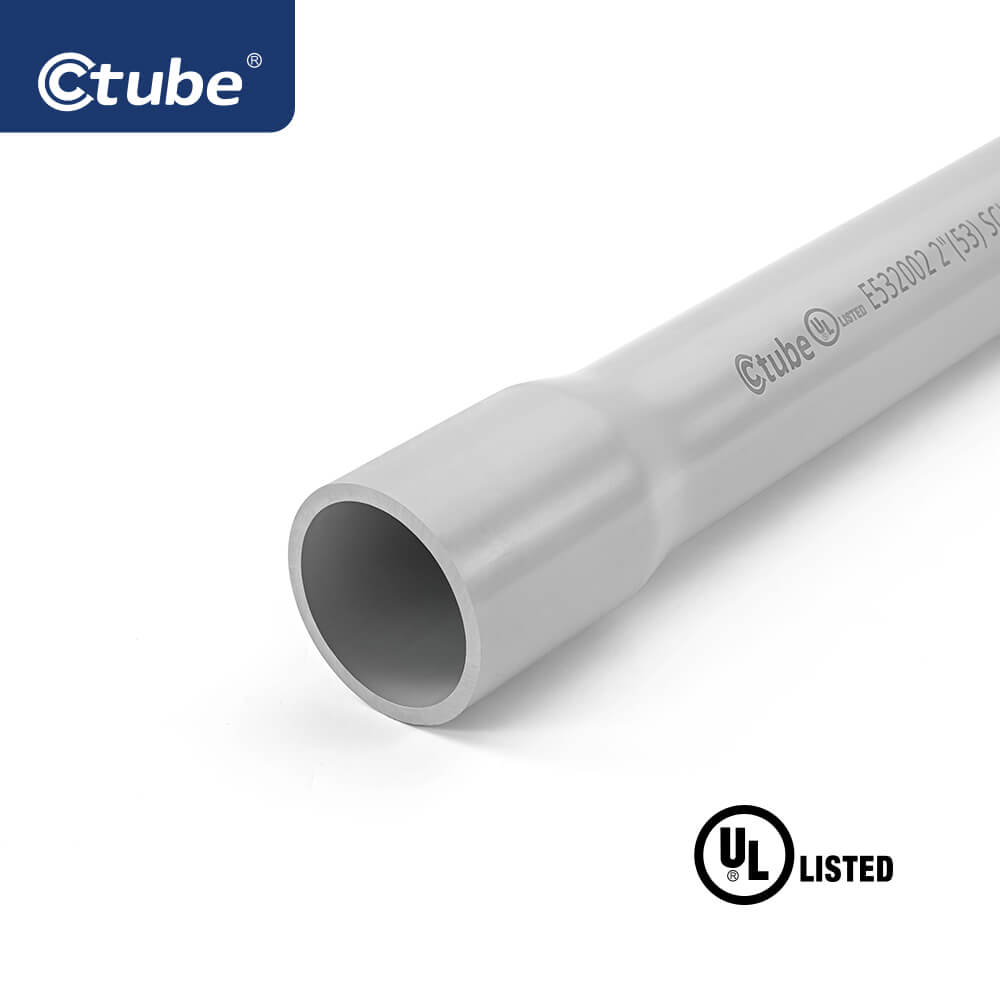
PVC (Polyvinyl Chloride) pipes have been widely used in various applications due to their affordability, versatility, and ease of installation. However, there are growing requirements about their environmental impact and potential health risks associated with their production, use, and disposal.
Low Smoke Zero Halogen (LSZH) Pipes:
LSZH pipes are a relatively newer alternative to PVC pipes and have gained popularity due to their superior safety and environmental characteristics. Unlike PVC conduits, LSZH conduits are manufactured using halogen-free compounds, making them free from chlorine, bromine, and other halogenated additives. And there are many others advantages of LSZH conduits.
a. Flame Retardancy: LSZH pipes have excellent flame retardant properties, ensuring that they do not support combustion and significantly reduce the spread of fire. Ctube’s LSZH conduit paased UL94 required V0 rating, self extinguished in 5 seconds, and no any burning drops during the burning. This characteristic is crucial in applications where fire safety is a primary concern, such as commercial buildings, transportation systems, and data centers.
b. Low Smoke Emission: During a fire incident, LSZH conduits emit significantly lower levels of smoke compared to PVC pipes. This reduced smoke generation enhances visibility, allowing for safer evacuation in emergency situations. It also reduces the risk of smoke inhalation, which can be harmful to human health.
c. Non-Toxicity: LSZH conduits are non-toxic and do not release harmful gases or corrosive substances when exposed to fire. This aspect is especially important in confined spaces, where the inhalation of toxic fumes can lead to severe health consequences. And prevent potential damage for building corrosion.
d. Environmental Friendliness: LSZH pipes are considered more environmentally friendly than PVC pipes. Their production involves the use of halogen-free materials, eliminating the release of hazardous halogenated by-products. Additionally, LSZH pipes are recyclable, reducing the overall environmental impact and promoting sustainability.
Applications of LSZH Pipes:
LSZH pipes are widely used in various industries and applications, including:
Building and Construction: LSZH pipes are suitable for electrical wiring, plumbing systems, and HVAC (Heating, Ventilation, and Air Conditioning) applications in commercial and residential buildings. Their flame retardant and low smoke properties contribute to enhanced fire safety.
Transportation: LSZH pipes are commonly used in the automotive, railway, and aerospace industries. They can be found in vehicle wiring, interior components, and critical systems, providing increased safety in case of fire incidents.
Data Centers: LSZH pipes are preferred in data centers to ensure the protection of valuable equipment and data. They reduce the risk of fire propagation, minimize smoke damage, and maintain a safe working environment for personnel.
Hospitals: Hospitals are densely populated areas with strict fire safety requirements. LSZH conduit has excellent flame retardant properties, effectively controlling the spread of fire and reducing smoke generation, provide better protection for people.
And many other applications like schools, airport etc, all these place have strict fire safety and smoke density requirements.
In conclusion, both PVC conduit and Low Smoke Zero Halogen (LSZH) conduit are widely used products in various industries. When making a choice between the two, it is essential to consider the specific circumstances and project requirements.
By evaluating the specific needs of a project, including fire safety requirements, environmental considerations, and budget constraints, one can make an informed decision on selecting the appropriate conduit. Ultimately, the choice between PVC conduit and LSZH conduit should be based on the priorities of safety, environmental impact, and compliance with industry standards.



 English
  French
  Spanish
  German
  Arabic
  Indonesian
  Vietnamese