
1. Introducción
PE-RT pipe (Polyethylene of Raised Temperature Resistance) has become a popular choice in modern water supply and heating systems. It is widely used in applications such as radiant floor heating, hot and cold water supply, and hydronic heating systems. Because of its flexibility, corrosion resistance, and ability to handle high temperatures, PE-RT pipe is often considered a reliable solution for residential and commercial installations.
However, not all PE-RT pipes on the market offer the same level of quality. Differences in raw materials, manufacturing processes, and quality control can significantly affect the pipe’s performance and lifespan. Low-quality pipes may lead to problems such as premature aging, leaks, or system failure, which can result in costly repairs and safety concerns.
For buyers, contractors, and distributors, knowing how to identify high-quality PE-RT pipe is essential before making a purchasing decision. This article provides a practical buyer’s checklist to help you evaluate PE-RT pipe quality, understand key material and performance indicators, and choose products that meet reliable standards for long-term use.
2. PE-RT Pipe Types: Type I vs. Type II
Before evaluating the quality of a PE-RT pipe, it is important to understand the basic types of materials used in its production. Most PE-RT pipes are made from either Type I or Type II resin, and this difference plays a key role in overall performance.
PE-RT Type I is the earlier generation of the material. It offers good flexibility and reliable performance in standard conditions, making it suitable for many residential applications, especially in low- to medium-temperature heating and water supply systems. Due to its balanced properties and cost efficiency, it has been widely used in general-purpose installations.
PE-RT Type II, however, is an advanced material designed to deliver improved performance under more demanding conditions. It provides better resistance to higher temperatures and long-term internal pressure. As a result, PE-RT Type II pipes are often preferred for applications that require greater durability, such as high-temperature radiant floor heating systems or projects with higher performance expectations.
For buyers, understanding the difference between Type I and Type II is an important starting point when assessing product quality. In general, pipes made from high-quality Type II resin are more likely to maintain stable performance over time, especially in systems exposed to higher temperatures or continuous pressure.
That said, material type alone does not determine the overall quality of a PE-RT pipe. Factors such as raw material purity, manufacturing consistency, and quality control processes also play a critical role. In the following sections, we will examine these key factors in detail to help buyers make more informed and confident decisions.
3. Key Factor 1: Raw Material Quality
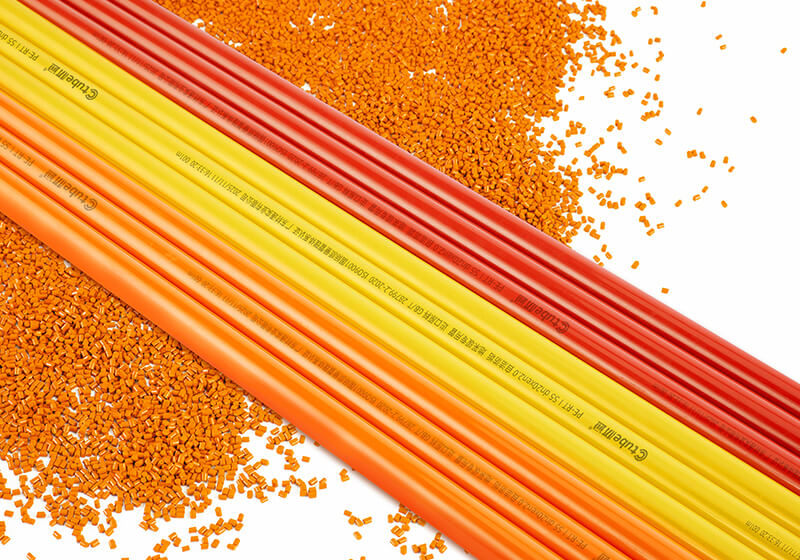
One of the most important factors affecting the performance and lifespan of a PE-RT pipe is the quality of the raw material used in its production. High-quality PE-RT pipes are typically made from virgin resin, which ensures consistent properties and long-term reliability. Using virgin material helps the pipe maintain flexibility, resist cracking, and withstand high temperatures and pressure over time.
Pipes that include recycled or lower-grade resin may save cost upfront, but they can compromise performance. Even a small percentage of recycled material can reduce the pipe’s long-term hydrostatic strength, increase the risk of deformation under pressure, and accelerate aging. For buyers, it is essential to understand what type of resin a manufacturer uses and to confirm that it meets recognized standards.
Practical ways to verify raw material quality include:
- Checking product documentation: Look for datasheets or material specifications that clearly state the resin type.
- Reviewing certificates of analysis (COA): A COA provides detailed information about the chemical composition of the resin and confirms that it meets the claimed standards.
- Confirming supplier transparency: Reputable manufacturers are willing to provide technical details and answer questions about their material sourcing.
By evaluating the raw material quality, buyers can significantly reduce the risk of selecting pipes that may fail prematurely or perform inconsistently. Understanding this first key factor lays the foundation for further assessment of manufacturing quality, physical inspection, and certification verification in the following chapters.
4. Key Factor 2: Manufacturing and Physical Quality
While raw material quality forms the foundation of a PE-RT pipe, the manufacturing process plays an equally important role in determining its overall performance. Even when high-quality resin is used, poor production control can lead to defects that affect durability and reliability.
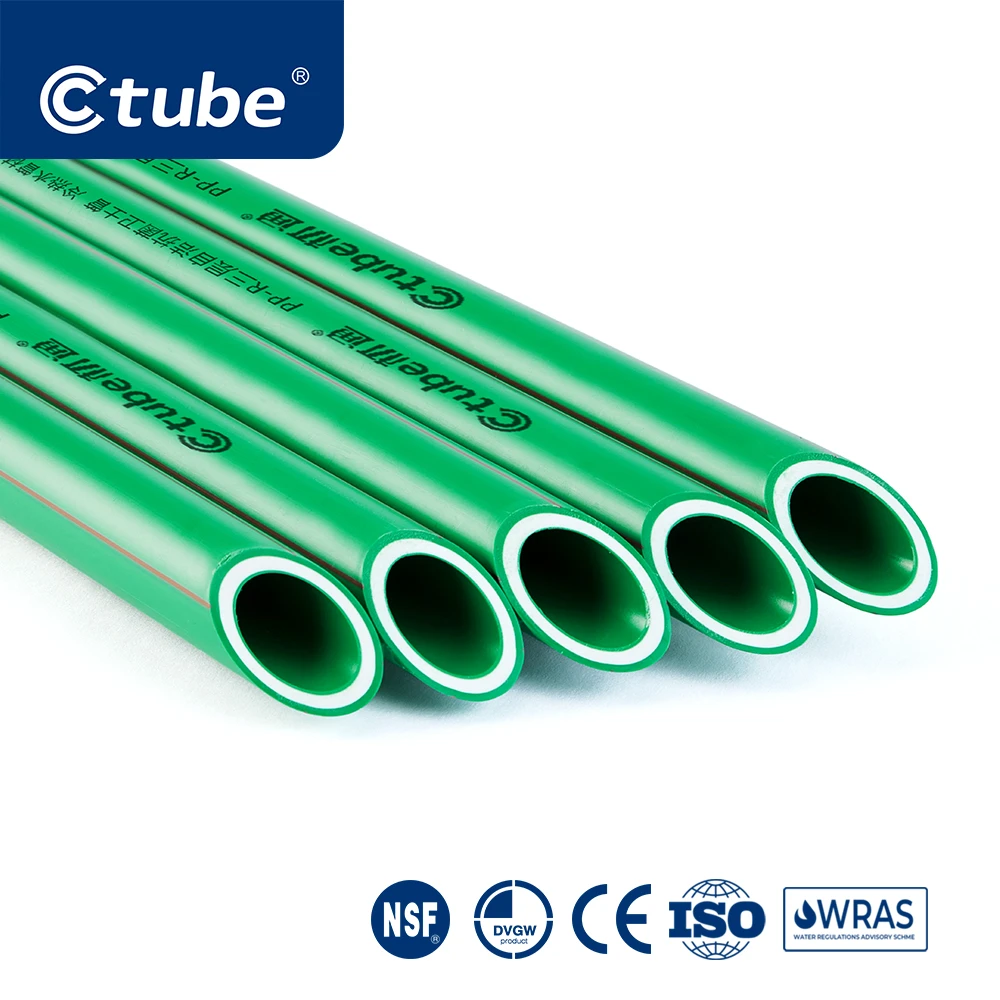
One of the first indicators of manufacturing quality is the surface finish of the pipe. A high-quality PE-RT pipe should have a smooth and uniform inner and outer surface, free from visible defects such as bubbles, rough spots, or impurities. A smooth inner wall not only reflects stable production conditions but also helps reduce flow resistance and minimizes the risk of scaling over time.
Another critical aspect is wall thickness consistency. The pipe wall should be evenly distributed throughout its circumference. Inconsistent thickness may lead to weak points where stress is concentrated, increasing the risk of deformation or failure under pressure. Although this may not always be visible at first glance, noticeable irregularities in shape or symmetry can be warning signs of poor manufacturing control.
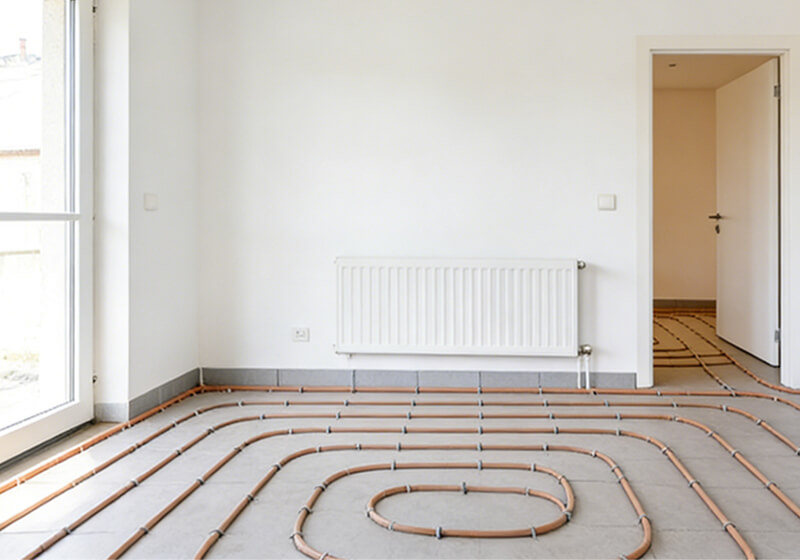
Color consistency is also a useful visual indicator. High-quality PE-RT pipes typically have a uniform color throughout the entire length. Variations in color or uneven appearance may suggest unstable material mixing or inconsistent processing conditions.
In addition to visual inspection, the overall dimensional stability of the pipe is important. A well-manufactured pipe should maintain its shape without distortion, ensuring proper fitting and reliable installation.
By carefully observing these physical characteristics, buyers can gain valuable insights into the manufacturing quality of a PE-RT pipe. In the next section, we will examine another key performance factor—the oxygen barrier layer—which is especially important in heating system applications.
5. Key Factor 3: Oxygen Barrier Performance (EVOH Layer)
In heating system applications, especially radiant floor heating, oxygen resistance is a critical factor that is often overlooked by non-technical buyers. However, it plays a key role in the long-term reliability of the entire system.
When oxygen penetrates through the pipe wall and enters the water system, it can lead to corrosion of metal components such as boilers, pumps, and valves. Over time, this can cause reduced efficiency, system damage, and increased maintenance costs. For this reason, many PE-RT pipes designed for heating applications include an oxygen barrier layer, commonly made from EVOH (Ethylene Vinyl Alcohol).
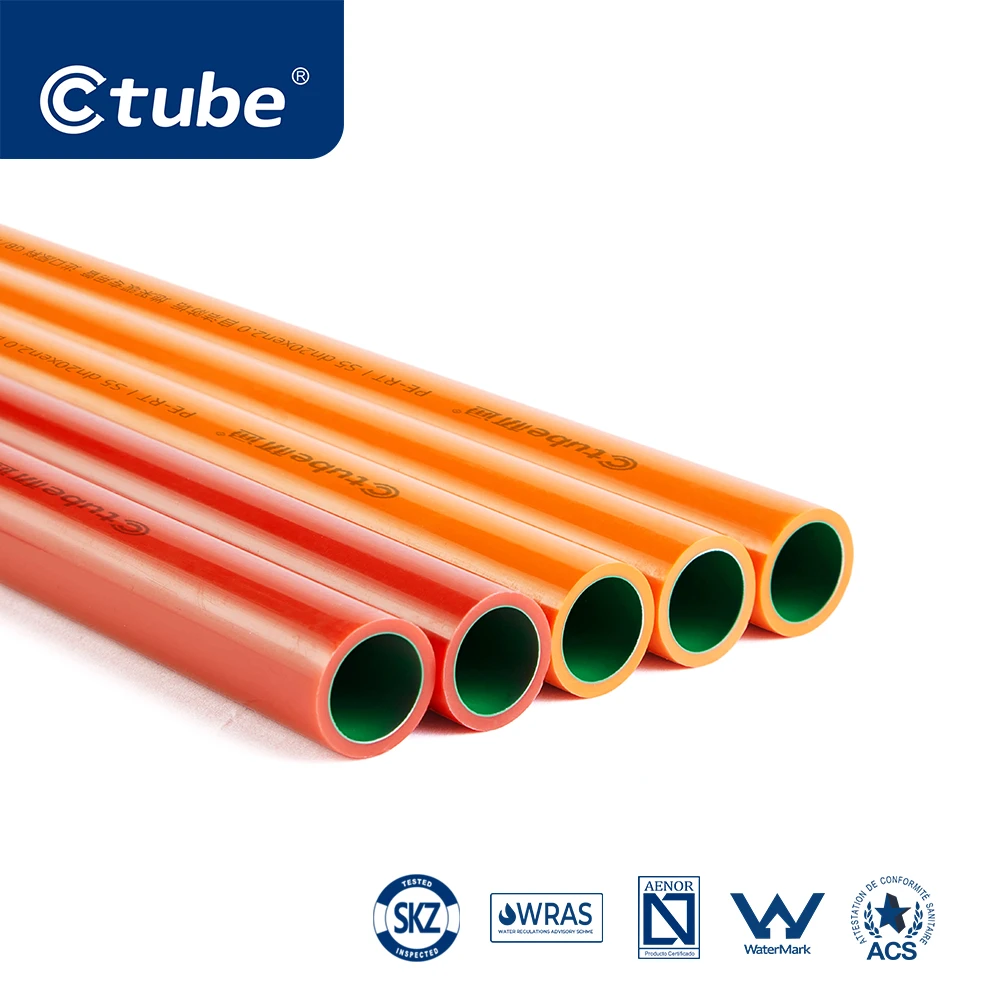
The effectiveness of this barrier depends not only on the material itself but also on how it is integrated into the pipe structure. PE-RT pipes are typically available in three-layer or five-layer constructions. In a three-layer pipe, the EVOH layer is exposed closer to the outer surface, which makes it more vulnerable to damage during transportation or installation.
In contrast, five-layer pipes encapsulate the EVOH layer between protective PE-RT layers. This structure helps prevent mechanical damage and ensures more stable long-term oxygen resistance. As a result, five-layer construction is often considered a more reliable option for demanding heating systems.
Buyers should also check whether the pipe complies with recognized oxygen permeability standards, such as DIN 4726, which defines the maximum allowable oxygen diffusion rate for pipes used in heating systems.
When evaluating PE-RT pipe quality, understanding the presence and construction of the oxygen barrier layer can help avoid long-term system issues. In the next section, we will translate these technical considerations into a practical buyer’s checklist for easier product evaluation.
6. Buyer’s Checklist: How to Identify High-Quality PE-RT Pipe
After understanding the key factors that affect PE-RT pipe quality, the next step is to apply this knowledge in real purchasing situations. For buyers, contractors, and distributors, having a clear checklist can make it easier to identify reliable products and avoid potential risks.
The following checklist provides a practical way to evaluate PE-RT pipes before making a purchase:
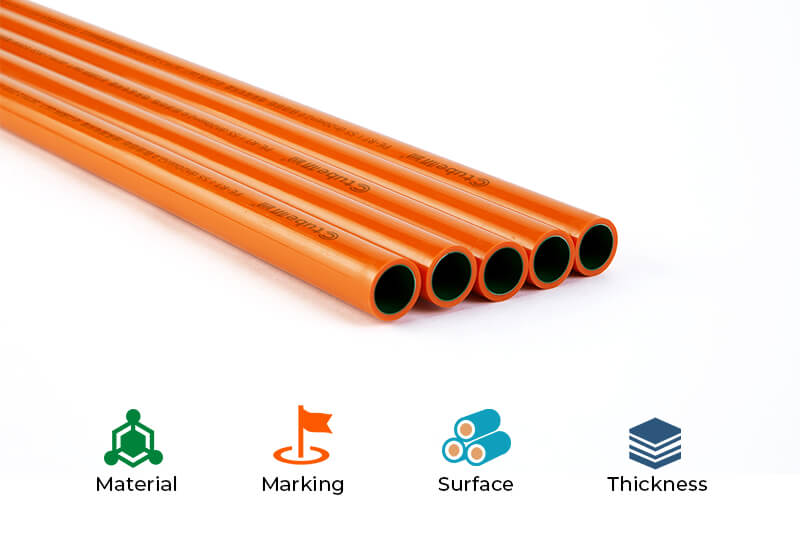
Check the Raw Material Information: Confirm the type of resin used in the pipe, such as PE-RT Type I or Type II. Whenever possible, choose products made from high-quality Type II resin, especially for applications involving higher temperatures or long-term use.
Inspect the Surface Quality: Examine the pipe for a smooth and uniform surface. Avoid products with visible defects such as bubbles, cracks, rough spots, or impurities, as these may indicate poor manufacturing control.
Verify Wall Thickness Consistency: Look for signs of uneven wall thickness or irregular shape. A consistent pipe structure is essential for maintaining stable pressure performance and preventing weak points.
Check for an Oxygen Barrier Layer (if required): For heating system applications, confirm whether the pipe includes an EVOH oxygen barrier layer. If possible, choose a five-layer structure for better protection and long-term performance.
Review Product Markings: Ensure the pipe is clearly marked with key information such as manufacturer name, pipe size, pressure rating, production date, and applicable standards. Clear markings improve traceability and reliability.
Confirm Certifications and Standards: Check whether the product complies with recognized standards such as ISO, ASTM, DIN, or local regulations. Certification is a strong indicator of tested and verified performance.
Request Technical Documents: Ask the supplier for datasheets, certificates of analysis (COA), and test reports. Reliable manufacturers will provide transparent documentation to support their product claims.
7. Certifications and Standards to Verify
In addition to material quality and physical inspection, certifications and compliance with recognized standards are essential indicators of a reliable PE-RT pipe. These standards ensure that the product has been tested under controlled conditions and meets the required performance criteria for long-term use.
One of the most important aspects to check is whether the manufacturer follows a recognized quality management system, such as ISO 9001. This indicates that the production process is standardized and consistently monitored, which helps ensure uniform product quality.
Buyers should also verify compliance with key product standards. For PE-RT pipes, commonly referenced standards include ISO and ASTM specifications, which define requirements for pressure resistance, temperature performance, and long-term durability. In heating applications, standards such as DIN 4726 are also relevant for evaluating oxygen permeability.
In addition to international standards, regional certifications may be required depending on the market. For example, certifications such as NSF (for potable water), WRAS (UK), or DVGW (Germany) indicate that the product has been approved for use in specific applications and regions.
It is equally important to distinguish between self-declared compliance y third-party certification. Some manufacturers may claim that their products “meet” certain standards without providing independent verification. Whenever possible, buyers should look for certification issued by recognized third-party organizations, as this provides a higher level of credibility.
Finally, always review supporting documents carefully. Check whether certificates are valid, up to date, and clearly linked to the specific product being purchased. Reliable suppliers will provide transparent and verifiable documentation upon request.
By verifying certifications and standards, buyers can significantly reduce uncertainty and ensure that the selected PE-RT pipe meets both performance requirements and regulatory expectations. In the next section, we will highlight some common mistakes to avoid when purchasing PE-RT pipes.
8. Conclusión
Choosing high-quality PE-RT pipe is not about relying on a single factor, but rather about evaluating a combination of material performance, manufacturing quality, product design, and supplier reliability. From understanding the differences between PE-RT types, to checking raw material sourcing, inspecting physical quality, and verifying certifications, each step plays an important role in ensuring long-term system performance.
As this guide has shown, even small details—such as wall uniformity, oxygen barrier structure, or documentation transparency—can make a significant difference in how a pipe performs over time. Ignoring these factors may lead to higher risks, increased maintenance costs, or even system failure.
For buyers, contractors, and distributors, the key is to adopt a more structured and informed evaluation approach. Instead of focusing only on price or basic specifications, taking the time to verify quality across multiple dimensions will help ensure safer, more reliable installations.
If you are looking for consistent quality and professional support, working with a trusted supplier can make the process much more efficient and dependable.
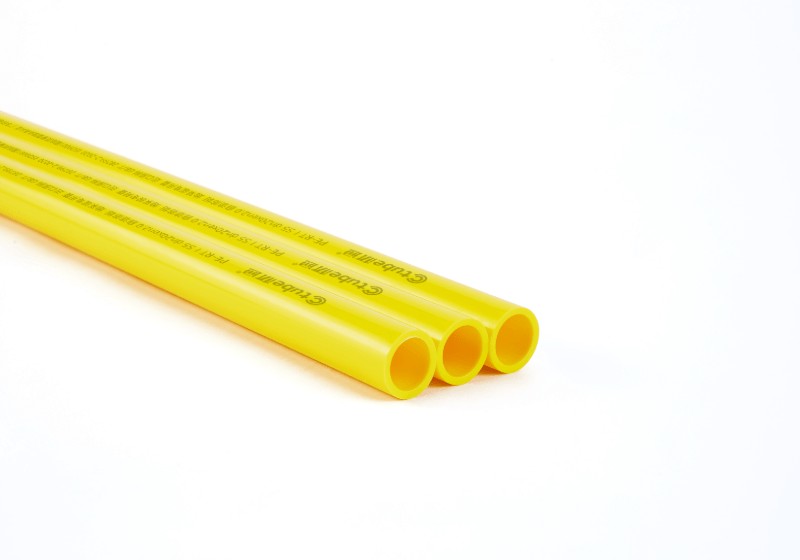
Tubo C provides high-quality PE-RT piping solutions designed to meet international standards and deliver stable performance in real-world applications.
Thanks for reading—hope this guide was helpful. Wishing you all the best with your projects!
Preguntas frecuentes
1. What is the difference between PE-RT and PEX pipes?
The main difference lies in their structure. PEX pipes are cross-linked, while PE-RT pipes rely on a specially designed molecular structure for temperature resistance. PE-RT is generally easier to recycle and offers better flexibility, while PEX may have advantages in certain high-stress applications.
2. Do all PE-RT pipes have an oxygen barrier?
No, not all PE-RT pipes include an oxygen barrier layer. Pipes used in radiant heating systems typically require an EVOH oxygen barrier to prevent oxygen from entering the system and causing corrosion in metal components. Always confirm this feature when selecting pipes for heating applications.
3. How can I quickly check if a PE-RT pipe is good quality?
A quick evaluation can include checking the pipe surface for smoothness, ensuring wall thickness is uniform, verifying product markings, and reviewing certifications or test reports. However, for a more reliable assessment, it is important to evaluate material quality and supplier credibility as well.
4 . Is PE-RT Type II always better than Type I?
PE-RT Type II generally offers better performance in terms of temperature resistance and long-term pressure strength. It is often preferred for more demanding applications. However, Type I may still be suitable for standard residential systems depending on project requirements.
5. Why is pipe flexibility important in installation?
Flexibility allows the pipe to bend easily, reducing the need for fittings and connectors. This not only simplifies installation but also lowers the risk of leakage points, improving overall system reliability.



 English
  French
  Spanish
  Arabic