
1. Pendahuluan
Saat membangun rumah atau mengelola proyek konstruksi skala besar, mudah untuk fokus pada hal-hal yang dapat Anda lihat—meja dapur marmer, keran desainer, atau ubin yang elegan.
Namun, komponen terpenting dari properti Anda adalah sesuatu yang mungkin tidak akan pernah Anda lihat lagi setelah proyek selesai: sistem perpipaan.
Sistem perpipaan sering digambarkan sebagai "urat nadi dan arteri" sebuah bangunan. Dalam konstruksi modern, Pipa dan fitting PPR (Polipropilena Kopolimer Acak) adalah standar emas untuk menghasilkan air bersih dan bertekanan. Namun, inilah kenyataan pahitnya: tidak semua PPR (Pulsed Pressure Regulator) diciptakan sama.
Bayangkan mimpi buruk pipa pecah dua tahun setelah pindah. Air tidak hanya merusak pipa; tetapi juga merusak lantai kayu keras Anda, meresap ke dalam dinding kering, menghancurkan peralatan elektronik mahal, dan bahkan dapat menyebabkan jamur pada struktur bangunan. Pada saat Anda menemukan kebocoran, biaya perbaikan seringkali 10 hingga 50 kali lipat harga pipa aslinya.
Memilih fitting PPR berkualitas rendah hanya untuk menghemat beberapa dolar hari ini sama saja dengan menanam "bom waktu" di balik dinding Anda.
Baik Anda pemilik rumah, kontraktor, atau distributor, tujuan Anda adalah keandalan. Sistem PPR berkualitas tinggi dirancang untuk bertahan lebih dari 50 tahun, menangani suhu tinggi dan tekanan intens tanpa mengalami kerusakan.
Dalam panduan ini, kami akan memandu Anda melalui metode "orang dalam" profesional untuk membedakan pipa dan fitting PPR berkualitas tinggi dari imitasi murah. Pada akhir artikel ini, Anda akan memiliki kepercayaan diri untuk memilih sistem yang menjamin ketenangan pikiran selama beberapa dekade mendatang.
2. Tolok Ukur Kualitas Tradisional & Spesifikasi Teknis
💡 Poin-Poin Penting:
-
Kepadatan Resin & MFR: Kualitas PPR yang tinggi bergantung pada Laju Aliran Lelehan yang dioptimalkan (≤ 0,3g/10min) dan kepadatan kristal yang tepat.
-
Sisipkan Metalurgi: Komponen kuningan standar rentan terhadap dezinifikasi; rekayasa komersial mensyaratkan kuningan bersertifikat CW617N atau DZR.
-
Batas Termal: Pipa berkualitas rendah mengalami kegagalan rambatan dini dalam waktu 100 jam pada suhu 95°C, sedangkan pipa premium mampu bertahan lebih dari 1.000 jam tanpa masalah.
Untuk menetapkan patokan pengadaan, kita harus mengevaluasi baik sifat mekanik kopolimer acak mentah maupun integritas metalurgi dari fitting sisipan komposit. Berikut adalah tiga tabel teknis terverifikasi yang mendefinisikan kepatuhan standar industri:
2.1 Parameter Mekanik & Fisik Inti
Pipa PPR premium harus menyeimbangkan fleksibilitas dengan kekuatan tarik jangka panjang. Saat meninjau Laporan Uji Material (MTC) pabrik, pastikan nilai-nilai berikut terpenuhi:
Tabel Spesifikasi Teknis: Apa yang Harus Diperhatikan
Saat membandingkan sampel, gunakan daftar periksa berbasis data ini untuk mengevaluasi tanda profesional yang tercetak pada pipa.
| Jenis Material | Ketahanan Korosi | Daya tahan | Keamanan (Kandungan Timbal) | Kasus Penggunaan Terbaik |
|---|---|---|---|---|
| HPb59-1 (Kuningan Biasa) | Sedang | Tinggi | Standar | Penggunaan hunian umum. |
| CW617N / CW614N | Tinggi | Sangat Tinggi | Rendah (Food Grade) | Sistem air minum premium. |
| DZR Kuningan | Bagus sekali | Tinggi | Rendah | Lingkungan air dengan salinitas tinggi atau air asam. |
| Paduan Seng (Kuningan Palsu) | Sangat Rendah | Rapuh | Tinggi/Tidak Diketahui | Menghindari. Umum ditemukan pada perlengkapan "murah" tanpa merek. |
2.2 Metalurgi Sisipan Transisi Berulir
Titik sambungan antara plastik dan logam adalah zona kegagalan yang paling umum pada sistem perpipaan bertekanan. Komposisi paduan kimia dari sisipan tersebut menentukan ketahanan tekanan dan korosinya:
Perbandingan Teknis Material Sisipan
| Metrik Evaluasi | Sisipan Kuningan Premium DZR / CW617N | Kuningan Kelas Rendah / Besi Tua Daur Ulang (HPb59-1) |
| Kandungan Timbal (Pb) | Dibatasi secara ketat ≤ 2,2% – 3,5% | Seringkali melebihi 4,5%, sehingga berisiko menyebabkan pelarutan logam berat yang parah ke dalam air minum. |
| Ketahanan terhadap Dezinkifikasi | Ketahanan tinggi; mencegah pelarutan seng yang korosif. | Tingkat kehilangan seng yang tinggi menyebabkan lapisan tembaga menjadi berpori, sehingga memicu retak korosi tegangan. |
| Kekuatan Tarik | ≥ 430 MPa; mampu menahan torsi pemasangan yang berat. | < 300 MPa; ulir mudah rusak atau patah saat pengencangan dengan torsi tinggi. |
| Alur Penjangkaran | Pola gerigi geometris anti-torsi yang dalam dan berlapis-lapis. | Dinding luar yang dangkal atau halus, menyebabkan logam berputar di dalam plastik seiring waktu. |
2.3 Validasi Tegangan Termal
Ukuran utama stabilitas struktural adalah bagaimana pipa bereaksi terhadap tekanan termal yang terus menerus. Di sinilah merek-merek yang tidak terverifikasi gagal secara fatal:
Performa di Bawah Tekanan: Uji "Momen Kebenaran"
| Parameter Uji Laboratorium | Performa PPR Premium | Kinerja PPR yang Kurang Memuaskan |
| Suhu Uji | Air Panas Berkelanjutan 95°C | Air Panas Berkelanjutan 95°C |
| Tegangan Lingkar yang Diterapkan | 3,5 MPa | 3,5 MPa |
| Durasi Tes Target | 1.000 Jam (Kurang lebih 42 Hari) | Gagal sebelum waktunya antara 50 hingga 150 jam. |
| Integritas Struktural | Tidak ada kebocoran, tidak ada pembengkakan, tidak ada keretakan. | Menunjukkan pembengkakan lokal, keluarnya cairan, atau pemisahan sendi yang rapuh. |
3. Validasi Rekayasa Tingkat Lanjut melalui Standar Internasional
💡 Poin-Poin Penting:
-
ISO 15874-1: Memvalidasi klasifikasi molekuler; hanya Tipe 3 (PP-R) atau Tipe 4 (PP-RCT) yang memberikan keseimbangan termo-tekanan yang sebenarnya.
-
ASTM D2837: Melindungi infrastruktur dari fenomena kerusakan akibat tekanan "penurunan" yang dahsyat hingga 100.000 jam.
-
DVGW W543: Menerapkan pengujian kelelahan dinamis sistemik yang ketat (10.000 siklus tekanan) dan pelapisan logam berat.
Untuk infrastruktur komersial berisiko tinggi, mengandalkan tabel spesifikasi dasar saja tidak cukup. Para insinyur proyek yang berpengalaman menuntut ketertelusuran struktural yang didukung oleh protokol pengujian internasional.
3.1 Morfologi Polimer (ISO 15874-1): Landasan Keamanan Sistem
Banyak manajer pengadaan melihat "PPR" pada faktur dan berasumsi semua material sama. Namun, struktur molekul plastik yang tepat menentukan apakah pipa akan aman mengalirkan air mendidih 90°C atau melengkung dan melorot dalam tahun pertama. Produsen yang tidak memenuhi standar sering mencampur plastik yang lebih murah (seperti PP-H atau PP-B) ke dalam campuran mereka untuk memangkas biaya. Menurut ISO 15874-1, bersikeras pada verifikasi Tipe 3 (PP-R) atau Tipe 4 (PP-RCT) Ini adalah satu-satunya cara agar pembeli dapat secara legal memastikan bahwa material tersebut sesuai secara struktural untuk sistem air panas komersial.
Klasifikasi Material Polipropilena ISO 15874-1
| Klasifikasi Polimer | Nama Teknis | Konteks Aplikasi Teknik |
| PP-H (Tipe 1) | Polipropilena Homopolimer | Memiliki kekakuan tinggi tetapi sangat rapuh pada suhu rendah; tidak cocok untuk air panas. |
| PP-B (Tipe 2) | Kopolimer Blok Polipropilena | Memiliki kekuatan benturan yang tinggi tetapi rentan terhadap deformasi rambatan (creep) di bawah beban suhu tinggi. |
| PP-R (Tipe 3) | Kopolimer Acak Polipropilena | Standar industri. Keseimbangan optimal antara ketahanan termal dan elastisitas tinggi. |
| PP-RCT (Tipe 4) | PP-Kopolimer Acak (Kristalinitas yang Dimodifikasi) | Peningkatan ketahanan tekanan jangka panjang pada suhu tinggi (70°C–95°C). |
3.2 Pencegahan “Penurunan Kinerja” LTHS (ASTM D2837): Melindungi dari Tanggung Jawab 5 Tahun
Skenario paling menakutkan bagi kontraktor bangunan adalah pipa yang lolos uji tekanan awal pada Hari 1, tetapi tiba-tiba pecah pada Tahun 5. Ini dikenal dalam bidang teknik sebagai fenomena "penurunan". PPR berkualitas rendah terlihat identik dengan PPR premium, tetapi rantai molekulnya rusak tajam di bawah tekanan konstan seiring waktu. Dengan memaksa pemasok untuk menyediakan ASTM D2837 Dengan menggunakan kurva regresi Kekuatan Hidrostatik Jangka Panjang (LTHS), tim pengadaan dapat menghilangkan risiko kegagalan katastropik laten dan kewajiban kerusakan air senilai jutaan dolar.
ASTM D2837 Perilaku Kerusakan Akibat Tegangan Jangka Panjang
| Perpotongan Waktu | Resin Premium (Regresi Linier) | Resin di Bawah Standar (Kegagalan "Penurunan") |
| @ 10.000 Jam | Mempertahankan ketahanan tegangan melingkar yang stabil dan dapat diprediksi. | Lulus uji statis jangka pendek standar pabrik. |
| @ 100.000 Jam | Stabil: Garis lurus kontinu; memenuhi margin keamanan struktural 50 tahun. | Bencana: Mengalami struktur “"kecenderungan untuk menurun"”, yang menyebabkan kebocoran mendadak yang tidak terduga. |
3.3 Kontrol Kelelahan Dinamis & Metalurgi (DVGW W543): Bertahan dari Palu Air dan Toksisitas
Bangunan komersial merupakan lingkungan yang keras. Pompa berat yang menyala dan mati menciptakan guncangan hidrolik yang hebat (water hammer), dan perubahan air panas/dingin yang cepat menyebabkan pemuaian pipa yang besar. Selain itu, sisipan ulir kuningan yang digunakan untuk menghubungkan katup sering diabaikan saat pembelian. Kuningan murah mengandung kadar Timbal (Pb) yang tinggi, yang tidak hanya meracuni air minum tetapi juga menyebabkan fitting hancur karena dezinifikasi. Standar ketat Jerman DVGW W543 Standar ini merupakan perlindungan utama bagi pembeli, memastikan sistem dapat bertahan terhadap 10.000 guncangan tekanan hebat dan mencegah logam berat masuk ke dalam pasokan air minum.
Standar Kelelahan dan Metalurgi Sistem Dinamis
| Protokol Pengujian | Badan Pengatur | Ambang Batas Parameter Wajib | Hasil yang Diharapkan |
| Siklus Tekanan Sistem | ISO 15874-5 | 10.000 pulsa kontinu pada (30±5) siklus/menit di bawah beban multi-bar bolak-balik (hingga 15 bar) pada suhu 23°C. | Tidak ada kebocoran, tidak ada pergeseran sambungan. |
| Kejut Termomekanik | DVGW W543 | 5.000 siklus bolak-balik terus menerus antara air dingin (≤ 25°C) dan air panas (85°C). | Tidak ada retakan struktural atau pemisahan antarmuka. |
| Penutup Impuritas Timbal (Pb) | DVGW W543 | Maksimum ≤ 3,5% (Grup berkinerja tinggi dibatasi hingga ≤ 2,2%). | Mencegah pelarutan bahan kimia beracun ke dalam sistem air minum. |
| Penutup Impuritas Arsenik (As) | DVGW W543 | Maksimum ≤ 0,15% (Dibatasi hingga ≤ 0,1% untuk mencegah kerapuhan logam). | Menjamin tidak ada retakan struktural di dalam fitting. |
4. Sertifikasi & Standar: “Paspor Global” untuk Kualitas
Di pasar internasional, kualitas bukan sekadar klaim; melainkan sertifikasi. Untuk SEO dan pengadaan profesional, mengidentifikasi "Standar" yang tepat adalah cara terbaik untuk membedakan produsen kelas satu dari bengkel rumahan.

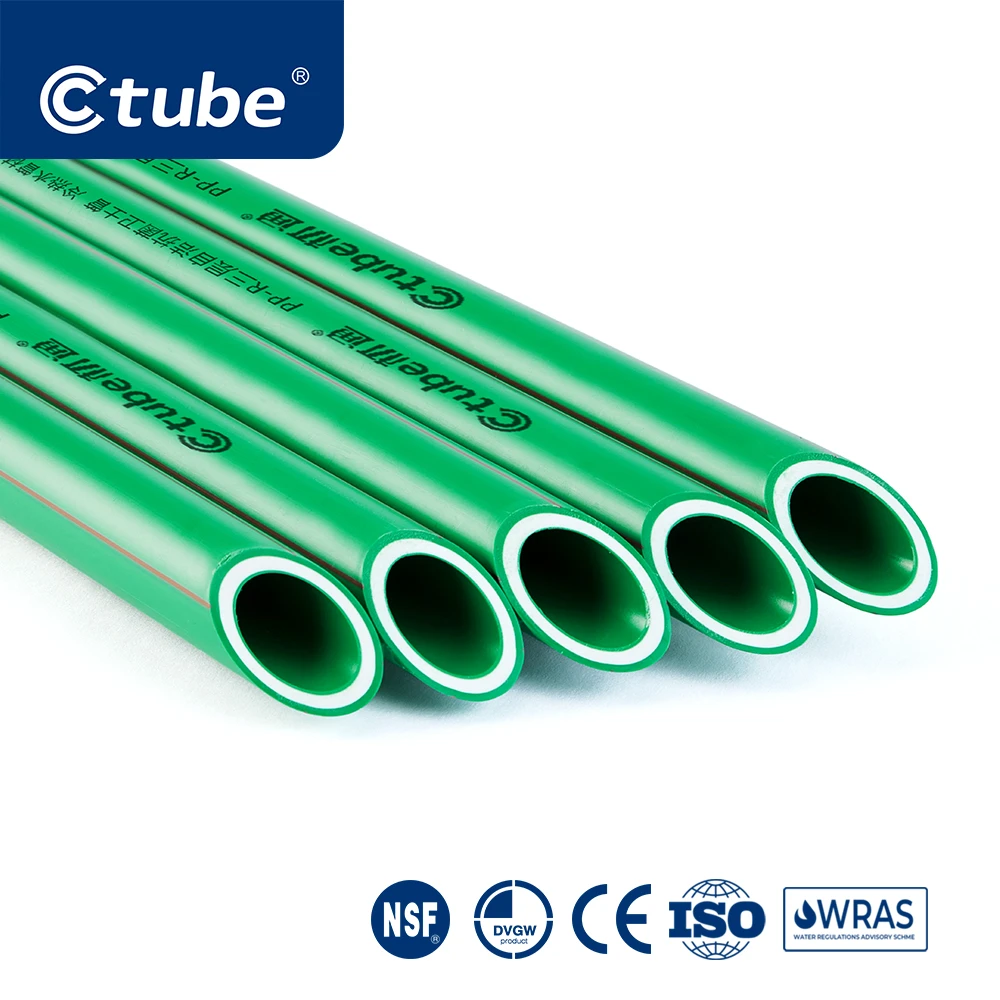
Saat memeriksa hasil cetakan inkjet pada pipa PPR, Anda harus memperhatikan kepatuhan terhadap standar internasional berikut ini:
- ISO 15874: Ini adalah standar internasional utama untuk sistem perpipaan plastik untuk air panas dan dingin. Standar ini mengatur segala hal mulai dari ketebalan dinding hingga kekuatan hidrostatik jangka panjang.
- DIN 8077/8078: Ini adalah standar Jerman yang ketat. DIN 8077 berkaitan dengan dimensi pipa dan peringkat tekanan, sedangkan DIN 8078 Berfokus pada persyaratan kualitas umum dan pengujian. Label "Standar Jerman" merupakan sinyal kepercayaan tinggi di industri PPR.
- NSF/ANSI 61: Ini sangat penting untuk Kesehatan & Keselamatan. Sertifikat ini menyatakan bahwa material PPR tidak melepaskan timbal, BPA, atau bahan kimia lainnya ke dalam air minum.
Produsen papan atas akan dengan bangga mengungkapkan sumber bahan baku mereka. Jika Anda adalah pembeli dalam jumlah besar, Anda harus menanyakan hal tersebut. Lembar Data Teknis (TDS) dari resin yang digunakan.
Tips Profesional: Cari nama-nama seperti Borealis (RA130E), Hyosung (R200P), atau LyondellBasell. Inilah "informasi rahasia" di dunia PPR. Jika produsen menggunakan resin ini, kualitasnya hampir terjamin.
5. Bagaimana Ctube Menerapkan Presisi Teknik dalam Manufaktur Dunia Nyata
💡 Poin-Poin Penting:
-
Kemurnian Material Tanpa Kompromi: Resin PP-R Hyosung murni 100% menjamin stabilitas molekuler yang sempurna.
-
Pengujian QA yang Ketat: Laboratorium internal mensimulasikan tekanan hidrostatik termal ekstrem selama 1.000 jam untuk menjamin konsistensi setiap batch produksi.
-
Kepercayaan & Sertifikasi Global: Didukung oleh kepatuhan internasional dan diterapkan pada infrastruktur penting di seluruh dunia.
-
Infrastruktur Cerdas Tingkat Lanjut: Lini ekstrusi otomatis canggih menghilangkan kesalahan manusia.
Mengetahui standar teknik hanyalah setengah dari perjuangan; bermitra dengan produsen yang mampu melaksanakannya adalah kunci keberhasilan proyek. Di Ctube, kualitas bukanlah jargon pemasaran—melainkan proses manufaktur yang dapat dilacak dan diverifikasi.
-
Kemurnian Bahan Baku Tanpa Kompromi: Fondasi pipa berumur 50 tahun adalah apa yang masuk ke dalam corong. Kami menolak menggunakan polimer campuran, daur ulang, atau yang tidak terverifikasi. Seluruh lini PPR kami diekstrusi secara eksklusif dari bahan-bahan terkemuka di industri. Resin PP-R Hyosung Korea. Hal ini menjamin bahwa setiap meter pipa kami sesuai dengan kurva regresi linier sempurna yang didefinisikan oleh ASTM D2837.
-
Kontrol Mutu dan Litbang Internal yang Ketat: Kami tidak menunggu audit pihak ketiga untuk menemukan kekurangan. Ctube mengoperasikan laboratorium pengujian internal yang komprehensif di mana setiap batch produksi подвергаются uji tekanan hidrostatik ekstrem 95°C / 1.000 jam dan validasi dampak destruktif. Tim R&D kami terus mendorong batas kinerja polimer untuk memastikan pipa kami melampaui margin keamanan standar.
-
Sertifikasi Global & Rekam Jejak yang Terbukti: Komitmen kami terhadap kontrol material dan metalurgi yang ketat telah menjadikan Ctube memperoleh sertifikat kepatuhan internasional terkemuka (termasuk standar higienis setara CE dan NSF). Dari kompleks perumahan mewah hingga sistem HVAC komersial bertekanan tinggi, sistem perpipaan kami telah diuji dan dipercaya oleh kontraktor dalam proyek infrastruktur besar di seluruh dunia.
-
Peralatan Manufaktur Cerdas Tingkat Lanjut: Untuk menjalankan protokol QA ketat kami dalam skala besar, Ctube mengandalkan infrastruktur canggih. Baru-baru ini kami telah memasang 3 jalur ekstrusi PPR cerdas yang sepenuhnya otomatis, masing-masing membentang lebih dari 15 meter. Dilengkapi dengan pemantauan ketebalan dinding ultrasonik tingkat mikron secara real-time dan kontrol termal presisi, peralatan cerdas ini menghilangkan kesalahan manusia, memastikan konsentrisitas sempurna di setiap batch.
👉 Hubungi Tim Proyek B2B Kami untuk Lembar Data Material Bersertifikat
6. Kesimpulan
Singkatnya, membedakan PPR berkualitas tinggi membutuhkan ketelitian dalam hal kemurnian material, rekayasa yang presisi, dan kepatuhan terhadap standar internasional seperti ISO dan DIN.
Di Ctube, kami meningkatkan standar industri ini melalui penelitian dan pengembangan (R&D) khusus kami. Kami menawarkan rangkaian lengkap pipa PPR satu lapis, dua lapis, dan tiga lapis, yang semuanya dapat diintegrasikan dengan teknologi anti-bakteri canggih kami.
Hal ini memastikan bahwa terlepas dari struktur yang Anda pilih, sistem Anda memberikan tingkat kebersihan air tertinggi dan perlindungan jangka panjang terhadap pertumbuhan mikroba.
Terima kasih telah membaca! Baik Anda membutuhkan keandalan standar atau teknologi multi-layer khusus, Ctube berkomitmen untuk memberikan ketenangan pikiran yang layak didapatkan proyek Anda.
Hubungi kami hari ini untuk mempelajari lebih lanjut tentang inovasi PPR terbaru kami.

7. Pertanyaan yang Sering Diajukan
Bagaimana cara mengetahui apakah pipa PPR terbuat dari bahan daur ulang?
Cara termudah untuk mengidentifikasi PPR daur ulang adalah melalui uji "Bau dan Asap". Ketika PPR murni berkualitas tinggi dipanaskan untuk pengelasan, seharusnya hampir tidak berbau dan tidak menghasilkan asap.
Jika Anda mencium bau plastik yang menyengat dan tajam atau melihat asap hitam, kemungkinan pipa tersebut mengandung sisa bahan daur ulang atau bahan tambahan berkualitas rendah.
Selain itu, periksa juga adanya "bintik hitam" atau garis-garis pada penampang pipa, yang merupakan tanda-tanda kontaminasi.
Apakah saya bisa mencampur pipa dan fitting PPR dari merek yang berbeda?
Meskipun secara teknis dimungkinkan jika keduanya mengikuti standar internasional yang sama (seperti ISO 15874), hal ini tidak disarankan. Produsen yang berbeda mungkin menggunakan formula resin atau titik leleh yang sedikit berbeda.
Menggunakan merek yang sama untuk pipa dan fitting memastikan kompatibilitas kimia yang sempurna selama proses fusi, yang sangat penting untuk "ikatan molekuler" yang bebas kebocoran. Sebagian besar garansi pabrikan juga akan batal jika Anda mencampur merek.
Apa perbedaan antara pipa PPR PN20 dan PN25?
""PN" adalah singkatan dari Tekanan Nominal (diukur dalam bar).
PN20: Dirancang untuk tekanan kerja hingga 20 bar. Biasanya digunakan untuk sistem air panas standar.
PN25: Memiliki dinding yang lebih tebal dan dapat menahan tekanan hingga 25 bar. Biasanya digunakan untuk aplikasi industri bertekanan tinggi atau sistem pemanas suhu sangat tinggi. Selalu pastikan peringkat PN pipa Anda sesuai dengan persyaratan tekanan dan suhu spesifik proyek Anda untuk menghindari pecah.
Apakah warna pipa PPR (Hijau, Putih, Abu-abu, Biru) menunjukkan kualitasnya?
Tidak. Warna tersebut hanyalah masterbatch (pewarna) yang ditambahkan selama produksi dan tidak mencerminkan kualitas bahan baku.
Preferensi berbeda-beda di setiap wilayah: Warna hijau populer di banyak pasar, sementara warna putih atau abu-abu umum di pasar lainnya.
Mengapa beberapa pipa PPR menjadi rapuh dan retak di musim dingin?
Hal ini biasanya disebabkan oleh konsentrasi pengisi kalsium karbonat (kapur) yang tinggi. Beberapa produsen menambahkan ini untuk meningkatkan berat pipa sambil menggunakan resin yang lebih murah.
Meskipun hal ini membuat pipa terasa "kokoh," namun merusak ketahanan material terhadap benturan, sehingga mudah retak seperti kaca pada suhu dingin.
PPR berkualitas tinggi mempertahankan "ketahanan suhu rendah" dan seharusnya mampu menahan benturan ringan bahkan dalam cuaca dingin.
Mampukah pipa PPR Anda menahan sirkulasi air panas komersial yang mengandung klorin secara terus menerus tanpa mengalami kerusakan dini?
Ya. Sisipan tembaga PPR tradisional atau kelas standar dapat mengalami degradasi oksidatif yang dipercepat oleh katalis tembaga ketika terpapar pada sistem air panas kota yang sangat terklorinasi. Saluran PPR premium Ctube dirancang menggunakan Kopolimer Acak Tipe 3 canggih yang distabilkan dengan paket antioksidan yang ditargetkan. Selain itu, komponen kuningan kami menjalani pemrosesan ketahanan dezinifikasi struktural, memastikan keberadaan disinfektan klorin dioksida secara terus menerus tidak membahayakan dinding pipa atau antarmuka sambungan selama masa pakai sistem 50 tahun.
Berapakah radius tekukan minimum untuk pipa PPR tanpa tulangan Anda selama pemasangan dingin?
Sesuai dengan DVGW W543 Bagian 7.4.7.1 dan metrik instalasi global, radius tekukan minimum yang diperbolehkan untuk pipa plastik tanpa penguatan harus sesuai dengan koefisien keamanan struktural yang diperoleh dari diameter luar pipa (OD). Untuk pipa Ctube PPR, radius minimum 8 x OD wajib diterapkan pada suhu instalasi di atas 5°C. Untuk kasus yang memerlukan penyesuaian struktural yang ketat dalam kondisi dingin, kami sangat menyarankan penggunaan siku fusi pra-cetak daripada memaksakan tekukan tegangan dingin, untuk mengurangi regangan mikro residual lokal.
Bagaimana Ctube menjamin bahwa bahan baku resin Anda bebas dari kegagalan tegangan "penurunan" di bawah tekanan jangka panjang yang berkelanjutan?
Kami menghilangkan risiko pecah di lapangan dalam jangka panjang melalui penerapan ketat protokol ASTM D2837 dan ISO 15874-2. Setiap batch bahan baku utama yang kami peroleh (100% Hyosung PP-R murni) memiliki metrik kekuatan hidrostatik jangka panjang (LTHS) yang terverifikasi. Laboratorium QA internal kami melakukan uji validasi pecah tegangan suhu tinggi secara terus menerus hingga melebihi 10.000 jam. Pengujian ketat ini menyaring rantai molekuler di bawah standar dan memastikan garis regresi kami memproyeksikan kurva kekuatan 100.000 jam yang stabil dan lurus tanpa penurunan kekuatan pecah tegangan prematur.
Mengapa komposisi sisipan kuningan pada fitting PPR merupakan metrik keselamatan yang kritis untuk pengadaan B2B?
Sisipan kuningan berkualitas rendah dengan metalurgi yang tidak terkontrol menyebabkan kebocoran sistem melalui dua jalur: kebocoran akibat ketidaksesuaian koefisien dan pelarutan kimia. Kuningan murah memiliki kandungan timbal berlebih yang menyebabkan dezinifikasi di lingkungan air sadah, sehingga menyebabkan patahan logam yang rapuh. Ctube secara ketat mematuhi standar Jerman DVGW W543 Bagian 4.5.2.3, memastikan semua fitting transisi menggunakan paduan bersertifikasi EN (seperti CW617N). Kami memberlakukan batasan ketat pada pengotor: Timbal (Pb) dibatasi hingga ≤ 3,5%, dan Arsenik (As) hingga ≤ 0,15%. Ini menjamin kekuatan mekanik, kesesuaian termal yang sempurna dengan plastik yang dilebur, dan keamanan toksikologi untuk sistem air minum.
Bagaimana sistem PPR Anda menangani kelelahan termomekanik yang agresif di seluruh siklus panas/dingin komersial?
Pengujian hidraulik statis tidak dapat mereplikasi guncangan kontraksi struktural. Sistem kontrol kualitas kami menerapkan pengujian siklus tekanan dinamis yang ketat pada rakitan pipa produksi sesuai dengan ISO 15874-5 Tabel 12. Sampel uji harus menjalani 10.000 pulsa tekanan kontinu dengan frekuensi cepat 30 ± 5 siklus per menit. Beroperasi di bawah batas atas dan bawah alternatif yang proporsional dengan peringkat desain (hingga 15,0 bar untuk sistem 8 bar), fitting kami disertifikasi untuk mempertahankan kebocoran nol dan perpindahan sambungan nol.
Apakah pipa PPR Anda mengeluarkan bau kimia atau bau terbakar selama proses pengelasan fusi soket?
Tentu tidak. Jika tercium bau atau asap hitam selama pengelasan fusi soket pada suhu pengelasan standar 260℃, itu menunjukkan adanya plastik daur ulang yang mudah menguap, pengisi kimia berkualitas rendah, atau zat pelacak parafin yang tidak stabil. Resin kopolimer acak mentah Ctube tidak mengandung kontaminasi silang sama sekali. Saat dipanaskan pada mandrel pengelasan, resin tersebut mengalami peleburan termal yang bersih tanpa karbonisasi atau pembentukan gas, sehingga melindungi integritas fisik matriks las yang terikat silang dan kesehatan para pekerja di lokasi.
Sertifikasi laboratorium pihak ketiga apa yang disediakan Ctube untuk memverifikasi kepatuhan terhadap standar higienis dan mekanis global?
Kami mendukung penawaran proyek internasional berskala besar dengan ketertelusuran struktural penuh. Sistem perpipaan Ctube PPR disertifikasi oleh badan kepatuhan global utama, memastikan kesesuaian dengan CE (Kesesuaian Eropa), manajemen mutu ISO 9001, dan tolok ukur toksikologi air minum internasional khusus (setara dengan standar NSF/ANSI untuk transportasi air minum murni). Sertifikat uji pabrik (MTC) dan berkas verifikasi laboratorium pihak ketiga independen tersedia berdasarkan permintaan untuk pengajuan rekayasa komersial.



 English
  French
  Spanish
  German
  Arabic
  Indonesian
  Vietnamese