
1. Introduction
In modern plumbing and water distribution systems, PPR (Polypropylene Random Copolymer) pipes have become a widely preferred solution due to their durability, corrosion resistance, and long service life. From residential buildings to commercial and industrial applications, PPR systems are valued for their reliability and ease of installation.
However, beyond material quality and system design, one of the most critical factors that directly affects system performance is pipe size selection. Choosing the correct PPR pipe diameter is essential for ensuring adequate water flow, maintaining stable pressure, and minimizing energy loss throughout the system. An undersized pipe may lead to insufficient flow and pressure drops, while an oversized pipe can increase costs without delivering additional benefits.
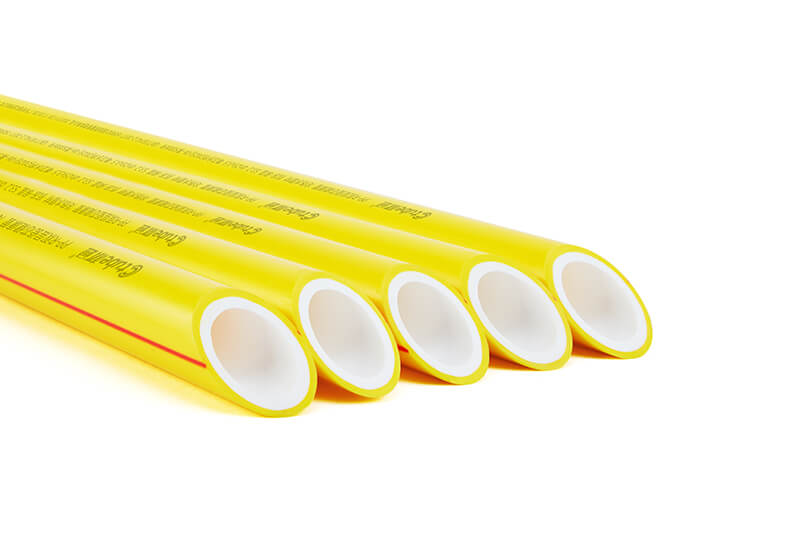
Understanding PPR pipe sizes is not only about knowing the available dimensions, but also about how these sizes relate to real-world applications. Factors such as flow demand, system layout, pressure requirements, and installation conditions all play a role in determining the most suitable pipe size for a project.
In this guide, we will explore the standard PPR pipe sizes, explain how they are defined, and provide practical guidance on selecting the right diameter for different applications. Whether you are planning a residential plumbing system or a larger-scale project, this article aims to help you make informed decisions and achieve reliable system performance.
2. What Are PPR Pipe Sizes? Understanding the Basics
In the world of professional plumbing, PPR pipe sizes refer to the standardized dimensions used to categorize the outer diameter (OD) and wall thickness of Polypropylene Random Copolymer pipes. Unlike some metallic pipes that are measured by their internal bore, PPR pipes are primarily identified by their Metric Outer Diameter (mm).
These sizes are not arbitrary; they are engineered to ensure universal compatibility with fittings and fusion welding equipment. A “size” in PPR piping actually carries two critical pieces of information:
-
The Nominal Diameter (DN): The standardized outer size (e.g., 20mm, 25mm, 32mm).
-
The Pressure Rating (PN): This determines the wall thickness. For the same 20mm outer diameter, a PN25 pipe will have a much thicker wall than a PN10 pipe to handle higher pressure and heat.
Understanding these dimensions is the foundation for calculating flow rates, pressure drops, and ensuring the structural integrity of your building’s water system.
3. PPR Pipe Industry Standards & Compliance:
Understanding PPR dimensions begins with global compliance. While sizes may appear standardized, the technical rigor behind their definition ensures the safety of your entire pressurized system.
Professional PPR piping systems are governed by rigorous international benchmarks. The most recognized standards include ISO 15874, DIN 8077, and DIN 8078. These frameworks define the relationship between the Standard Dimension Ratio (SDR) and the pipe’s ability to handle specific pressure loads over a 50-year service life.
Pro Tip: When reviewing project specs, always check the SDR rating. A lower SDR number indicates a thicker pipe wall, which is essential for high-pressure or high-temperature industrial applications.
4. Common PPR Pipe Sizes and Specifications
Understanding standard PPR pipe sizes is the foundation for selecting the right piping system. Unlike some traditional materials, PPR pipes are typically classified based on their outer diameter (OD), which is measured in millimeters. However, in engineering and international projects, pipe sizes are also expressed using DN (Nominal Diameter), along with pressure ratings such as PN10, PN16, or PN20.
To avoid confusion, it is important to understand how these parameters relate to each other and how they are applied in real-world systems. In addition to size and pressure class, wall thickness (S series) and SDR (Standard Dimension Ratio) play a critical role in determining pipe performance.
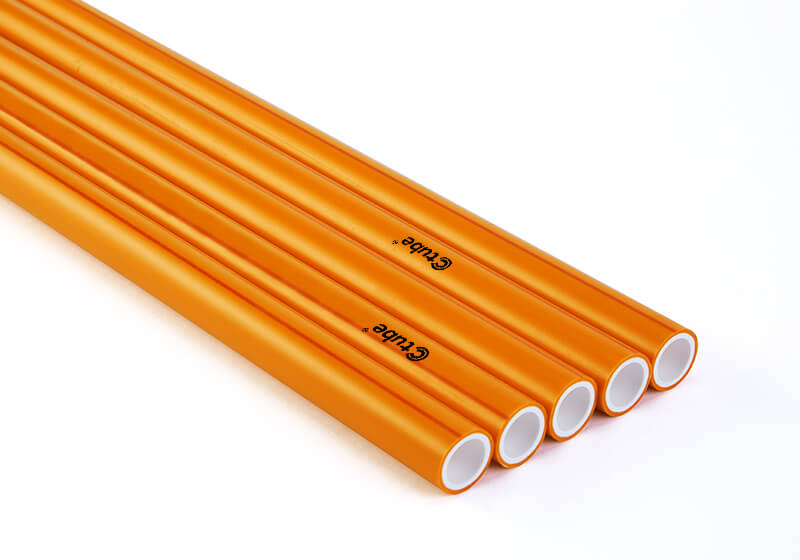
4.1 Master Size & Pressure Chart (20mm – 160mm)
For engineers and contractors, precise OD (Outer Diameter) and wall thickness data are non-negotiable. This master reference aligns metric standards with imperial equivalents and details the specific wall thickness required for each PN pressure rating.
| Outer Diameter (OD) | Imperial Equiv. | PN10 (SDR11) | PN16 (SDR7.4) | PN20 (SDR6) | PN25 (SDR5) |
| 20 mm | 1/2″ | 1.9 mm | 2.3 mm | 2.8 mm | 3.4 mm |
| 25 mm | 3/4″ | 2.3 mm | 2.8 mm | 3.5 mm | 4.2 mm |
| 32 mm | 1″ | 2.9 mm | 3.6 mm | 4.4 mm | 5.4 mm |
| 40 mm | 1 1/4″ | 3.7 mm | 4.5 mm | 5.5 mm | 6.7 mm |
| 50 mm | 1 1/2″ | 4.6 mm | 5.6 mm | 6.9 mm | 8.3 mm |
| 63 mm | 2″ | 5.8 mm | 7.1 mm | 8.6 mm | 10.5 mm |
| 75 mm | 2 1/2″ | 6.8 mm | 8.4 mm | 10.3 mm | 12.5 mm |
| 90 mm | 3″ | 8.2 mm | 10.1 mm | 12.3 mm | 15.0 mm |
| 110 mm | 4″ | 10.0 mm | 12.3 mm | 15.1 mm | 18.3 mm |
| 125 mm | 5″ | 11.4 mm | 14.0 mm | 17.1 mm | 20.8 mm |
| 140 mm | 5 1/2″ | 12.7 mm | 15.7 mm | 19.2 mm | 23.3 mm |
| 160 mm | 6″ | 14.6 mm | 17.9 mm | 21.9 mm | 26.6 mm |
It is important to note that DN does not directly equal the outer diameter. Instead, DN serves as a nominal reference used in engineering design, while the actual pipe size is defined by its outer diameter.
4.2 Diameter, Wall Thickness, and Flow Capacity
In PPR systems, the outer diameter remains constant for a given size, while the inner diameter varies depending on wall thickness. This relationship directly affects both flow capacity and pressure performance.
The outer diameter is used for fitting compatibility, ensuring that pipes and fittings can be connected reliably. The inner diameter determines the actual flow capacity of the pipe, while wall thickness defines its ability to withstand internal pressure and mechanical stress.
For example, a 25 mm PPR pipe may have different wall thicknesses depending on whether it is classified as PN10, PN16, or PN20. A thicker wall improves pressure resistance but slightly reduces the internal flow area. This means that pipe selection should always consider both hydraulic performance and structural strength, rather than focusing on size alone.
4.3 S Series, SDR, and Pressure Ratings
In PPR piping systems, pressure ratings are directly related to wall thickness and are defined using S series and SDR values. The S series represents the pipe wall class, while SDR (Standard Dimension Ratio) describes the ratio between outer diameter and wall thickness.
These parameters are mathematically related by the formula:
SDR = 2S + 1
A lower S or SDR value indicates a thicker pipe wall and therefore higher pressure resistance.
Under standard ISO design conditions with a safety factor of C = 1.5, the typical relationship is as follows:
It is important to recognize that these values are based on standardized assumptions. In some cases, manufacturers may declare higher pressure ratings using lower safety factors, but C = 1.5 remains the most widely accepted reference in engineering practice.
| S Series | SDR | PN Rating |
|---|---|---|
| S5 | SDR11 | PN10 |
| S4 | SDR9 | PN12.5 |
| S3.2 | SDR7.4 | PN16 |
| S2.5 | SDR6 | PN20 |
4.4 Pressure Ratings and Large-Diameter Applications
PPR pipes are commonly classified into pressure ratings such as PN10, PN16, PN20, and PN25, which indicate their suitability for different operating conditions. However, PN should not be interpreted as the maximum pressure a pipe can withstand. Instead, it represents the allowable long-term working pressure under standardized conditions, typically defined as a service life of 50 years at 20°C.
This distinction is critical for proper system design. Pipes with the same outer diameter may have very different performance characteristics depending on their wall thickness and pressure class. Increasing wall thickness improves pressure resistance but slightly reduces internal diameter, creating a balance between strength and flow capacity.
In addition to pressure considerations, pipe diameter also plays a key role in system capacity. While sizes between 20 mm and 50 mm are commonly used in residential systems, larger diameters such as 63 mm, 75 mm, 90 mm, and 110 mm are widely applied in commercial and industrial installations. These larger pipes are typically used for main distribution lines, centralized systems, and long-distance transport, where higher flow rates and reduced pressure loss are required.
4.5 Global Standards and Size Consistency
PPR pipe sizing is generally consistent in regions where metric-based piping systems are used, particularly in Europe, Asia, and the Middle East. Most manufacturers follow international standards established by organizations such as International Organization for Standardization and Deutsches Institut für Normung.
Although naming conventions may vary slightly—such as the use of DN in engineering documents or millimeters in product labeling—the underlying sizing system remains highly standardized. In some regions, particularly in North America, pipe sizes may also be referenced in inches. However, since PPR systems are primarily based on metric standards, millimeters remain the most widely used and practical measurement.
5. How to Choose the Right PPR Pipe Size
Selecting the right PPR pipe size is a critical step in ensuring the efficiency, reliability, and long-term performance of any plumbing or water distribution system. While standard pipe sizes are widely available, the correct choice depends on multiple factors, including system layout, water demand, pressure conditions, and pipe routing.
A properly sized piping system ensures stable pressure, adequate flow at all fixtures, and long-term durability without unnecessary material costs. In contrast, incorrect sizing can lead to pressure fluctuations, insufficient supply, increased noise, and reduced system lifespan.
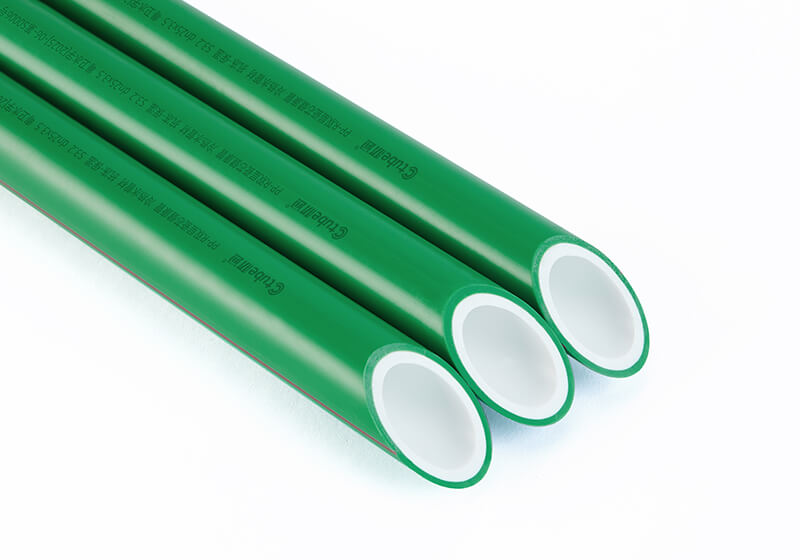
5.1 Start with the Main Supply Line
The first step in pipe sizing is determining the diameter of the main supply line, which acts as the backbone of the entire system by distributing water from the source to all downstream branches. Because it carries the total system demand, it should always be sized based on peak usage conditions rather than average consumption.
In typical residential applications, a 25 mm pipe may be sufficient for small apartments with limited fixture demand, while 32 mm is commonly used for standard houses. For larger homes or small commercial systems, a 40 mm main line is often recommended to ensure stable performance.
Selecting a slightly larger main pipe can help maintain consistent pressure when multiple fixtures are used simultaneously. In contrast, an undersized main line often results in noticeable pressure drops, particularly at distant outlets.
5.2 Determine Branch Line Sizes
Once the main supply line is defined, the next step is selecting branch line sizes that deliver water to specific areas such as kitchens, bathrooms, and utility rooms. These pipes are typically smaller than the main line and should be chosen based on the number and type of fixtures they serve.
For example, a 20 mm pipe is generally suitable for individual fixtures or short pipe runs, while 25 mm pipes are more appropriate for supplying multiple fixtures within a single zone. This gradual reduction in pipe size—from main line to branch line to final connection—ensures efficient distribution while minimizing unnecessary material use.
Proper branch sizing also helps balance flow throughout the system and prevents localized pressure issues, especially in areas with multiple outlets operating at the same time.
5.3 Consider Flow, Velocity, and Pressure Loss
Selecting the correct pipe size requires evaluating several key hydraulic factors, including flow rate, flow velocity, and pressure loss. These factors are closely interconnected and must be considered together to ensure optimal system performance.
Flow rate depends on the number of fixtures and expected usage patterns. Systems with higher demand require larger pipe diameters to deliver sufficient water during peak periods. At the same time, flow velocity plays an important role in both comfort and durability. If pipes are undersized, water velocity becomes too high, which can lead to noise, vibration, and long-term wear. Conversely, oversized pipes may result in low velocity and reduced efficiency.
In most plumbing systems, a typical recommended velocity range is about 0.6–2.0 m/s for cold water applications. Maintaining velocity within this range helps ensure stable and efficient operation.
Pressure loss occurs as water flows through pipes due to friction and resistance from fittings such as bends and valves. This effect becomes more significant in long-distance runs or complex layouts. In practice, reducing unnecessary pipe length, minimizing sharp bends, and slightly increasing pipe diameter in extended systems can help maintain consistent pressure.
Balancing flow rate, velocity, and pressure loss is essential to achieving stable performance under real operating conditions.
5.4 Match Pipe Size with Pressure Rating (PN)
Pipe size selection should always be coordinated with pressure rating (PN), as both parameters define the overall performance and safety of the system.
While pipe diameter determines flow capacity, the pressure rating reflects the pipe’s ability to withstand internal pressure over time. Higher PN ratings are achieved by increasing wall thickness (lower S and SDR values), which improves strength but slightly reduces the internal diameter.
This creates an important design balance: increasing pipe size improves flow capacity, while increasing PN rating enhances pressure resistance and durability. These two factors must be considered together rather than independently.
It is also important to note that PN ratings are defined under standard conditions, typically including a temperature of 20°C, a service life of 50 years, and a safety factor of C = 1.5. In real-world applications—especially in hot water systems—actual performance may vary, so these conditions should always be taken into account during design.
5.5 Application-Based Sizing and Practical Example
Pipe sizing strategies vary depending on the application, but most systems follow a hierarchical distribution structure from main lines to final outlets. Residential systems typically use smaller diameters, while commercial and industrial systems require larger pipes to support higher demand and more complex layouts.
A typical residential configuration illustrates this approach clearly:
- Main supply line: 32 mm
- Branch lines: 25 mm
- Fixture connections: 20 mm
This structure ensures efficient water distribution while maintaining stable pressure at each outlet.
From a practical perspective, both undersizing and oversizing should be avoided. Pipes that are too small can cause pressure drops and insufficient flow, while oversized pipes increase material and installation costs without delivering proportional benefits.
An optimal design strikes a balance between meeting peak demand and maintaining efficiency. Whenever possible, pipe sizing decisions should be supported by basic hydraulic calculations and realistic usage assumptions, rather than relying solely on standard size recommendations.
6. Application Scenarios of Different PPR Pipe Sizes
Choosing a diameter isn’t just about fit; it’s about matching the system’s hydraulic demand with the correct pressure class. Use this quick-selection matrix to identify the ideal specifications for common residential and industrial scenarios.
| Application Scenario | Recommended PN | Typical Size Range | Key Consideration |
| Residential Cold Water | PN10 / PN16 | 20mm – 32mm | Cost-effective, low pressure loss |
| Central Hot Water | PN20 / PN25 | 25mm – 63mm | High thermal stability required |
| Underfloor Heating | PN16 / PN20 | 16mm – 25mm | Flexibility and oxygen barrier |
| Industrial Cooling | PN16 | 50mm – 160mm | Chemical resistance & high flow |
| High-Rise Risers | PN25 | 40mm – 110mm | Resistance to water hammer spikes |
PPR pipe sizes are closely related to their specific applications. Different types of buildings and water systems have unique requirements in terms of flow demand, pressure stability, system layout, and usage patterns. Understanding how pipe sizes are applied in real-world scenarios is not just about knowing typical dimensions—it is about understanding why certain sizes are preferred in different environments.

Rather than relying purely on standard sizes, practical pipe selection is influenced by how water is actually used, how systems are designed, and how operating conditions vary across applications. This helps bridge the gap between theoretical pipe sizing and real-world engineering design.
6.1 Residential Plumbing Systems
Residential plumbing systems are typically designed to balance efficiency, cost, and ease of installation. Water demand is relatively moderate, and usage is intermittent rather than continuous, with only a limited number of fixtures operating at the same time.
Because of this, smaller pipe diameters are generally sufficient, and pipe sizing is often based on probable simultaneous usage rather than the total number of installed fixtures. Common configurations such as 20 mm, 25 mm, and 32 mm are widely used because they align well with the scale and demand characteristics of residential systems.
A key design principle in residential applications is gradual distribution. Pipe sizes decrease from the main supply line to branch lines and finally to individual fixtures. This approach ensures efficient water delivery while minimizing unnecessary material use and maintaining stable pressure throughout the system.
6.2 Commercial Building Applications
Commercial buildings, including offices, hotels, schools, and shopping centers, have significantly higher and more variable water demand compared to residential systems. These environments often involve multiple users operating simultaneously, along with distinct peak demand periods during the day.
In practice, pipe sizing in commercial systems is typically based on peak demand calculations using diversity factors, rather than total theoretical usage. This allows engineers to design systems that can handle real operating conditions without excessive oversizing.
Larger pipe diameters, commonly ranging from 32 mm to 50 mm and above, are used to support higher flow requirements and more complex system layouts. These larger sizes help maintain stable pressure across long distances, ensure consistent performance across multiple floors, and reduce pressure loss in extensive piping networks.
As a result, pipe sizing in commercial systems is closely tied not only to hydraulic performance but also to system reliability and overall user experience.
6.3 Hot Water and Heating Systems
Hot water and heating systems introduce additional considerations beyond basic flow requirements, particularly the effects of temperature and thermal efficiency. In these systems, water operates at elevated temperatures, which influences both heat transfer performance and pipe durability.
Typical pipe sizes such as 20 mm to 32 mm are commonly used, but selection depends on factors such as required flow rate for heat transfer, system layout, and temperature stability. For example, underfloor heating systems typically use small-diameter pipes (commonly 16–20 mm) arranged in continuous loops to ensure even heat distribution across the floor.
An important engineering consideration is that higher temperatures reduce the allowable long-term pressure capacity of PPR pipes. This means that pipe selection must account not only for flow requirements, but also for pressure rating (PN) under operating temperature conditions.
In this context, pipe sizing is not purely a hydraulic decision—it is closely linked to thermal performance, energy efficiency, and long-term system reliability.
6.4 Multi-Story and Complex Systems
In multi-story buildings and complex piping systems, pipe sizing becomes more critical due to increased height, longer pipe runs, and more demanding pressure conditions. These systems typically include vertical risers supplying multiple floors, followed by gradual reduction of pipe sizes at each level.
One key factor in high-rise systems is static pressure, which increases with building height and must be carefully managed to avoid excessive pressure at lower levels while still ensuring adequate supply at upper floors. This adds an additional layer of complexity to pipe sizing decisions.
Larger diameters are typically used in vertical risers to accommodate total system demand and reduce pressure loss over long distances, while smaller pipes are used at each floor to distribute water efficiently. Proper sizing helps maintain balanced pressure across all levels, ensures reliable performance at higher elevations, and reduces the risk of uneven water distribution.
In practice, pipe sizing in these systems is often supported by hydraulic calculations rather than simple rule-of-thumb selection. This ensures that both flow performance and pressure conditions are properly controlled in complex installations.
7. Pressure vs. Temperature Lifetime Chart of PPR Pipe
The longevity of a PPR system is a function of its environment. To ensure a 50-year service life, one must account for the inverse relationship between operating temperatures and allowable pressure loads.
| Operating Temp (°C) | Design Life | Max Pressure (PN20) | Max Pressure (PN25) |
| 20°C | 50 Years | 20.0 bar | 25.0 bar |
| 40°C | 50 Years | 13.7 bar | 17.1 bar |
| 60°C | 50 Years | 9.3 bar | 11.6 bar |
| 70°C | 50 Years | 6.7 bar | 8.4 bar |
| 80°C (Peak) | 25 Years | 5.1 bar | 6.4 bar |
8. Factors Affecting PPR Pipe Size Selection
Selecting the appropriate PPR pipe size involves more than simply following standard dimensions or typical application guidelines. In real-world projects, multiple variables interact to influence system performance, and understanding how these factors work together is essential for making accurate and reliable design decisions.
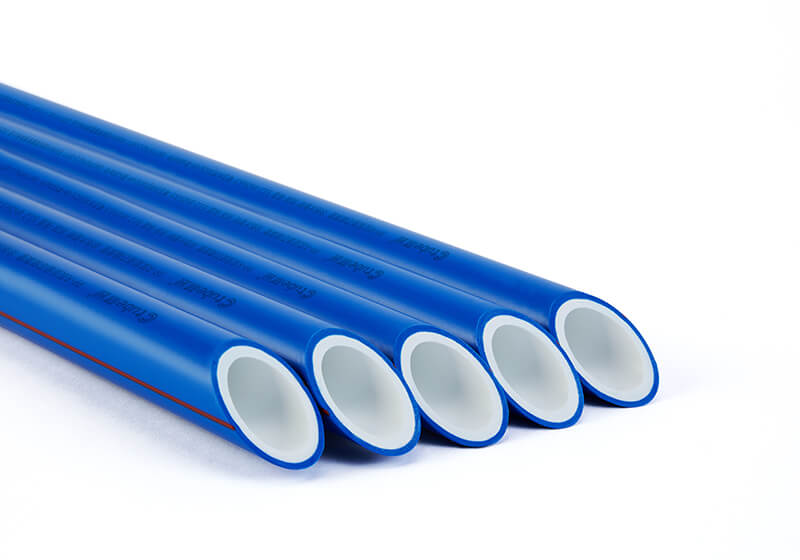
Rather than acting independently, these considerations must be evaluated as part of a balanced approach that takes into account hydraulic performance, system layout, operating conditions, and future requirements.
8.1 Water Demand and Usage Patterns
Water demand is one of the most fundamental factors influencing pipe size selection. However, in practical design, it is not only the number of fixtures that matters, but also how and when they are used.
In residential systems, usage patterns are generally predictable, and not all fixtures operate simultaneously. In contrast, commercial environments often experience peak demand periods where multiple outlets are used at the same time. For this reason, pipe sizing is typically based on estimated peak demand and the probability of simultaneous usage, rather than average consumption or total fixture count alone.
The type of fixtures also plays an important role, as different outlets—such as showers, sinks, or industrial equipment—have varying flow requirements. A system designed only for nominal usage may perform poorly during peak conditions, resulting in pressure drops and reduced user satisfaction.
8.2 Pipe Length, Layout, and Hydraulic Resistance
Beyond demand, the physical layout of the piping system has a significant impact on pipe size selection. As water travels through pipes, frictional resistance reduces pressure and flow, and this effect becomes more pronounced in longer or more complex systems.
Factors such as total pipe length, the number of directional changes (including elbows, tees, and valves), and vertical elevation differences all contribute to cumulative pressure loss. In multi-story buildings, elevation changes introduce additional pressure variations that must be carefully considered.
In practice, systems with long pipe runs or complex routing often require slightly larger diameters than simpler installations to compensate for these losses. At the same time, efficient design is not only about increasing pipe size, but also about optimizing routing to minimize unnecessary resistance.
8.3 Pressure, Temperature, and Mechanical Performance
Operating conditions, particularly pressure and temperature, directly influence both pipe size selection and long-term system reliability. PPR pipes are classified by pressure ratings (PN), which define their allowable long-term working pressure under standardized conditions.
These ratings are closely related to wall thickness, expressed through S series and SDR values. Pipes with higher PN ratings have thicker walls, which improves pressure resistance but slightly reduces internal diameter and flow capacity.
Temperature introduces an additional layer of complexity. Elevated temperatures, such as those found in hot water systems, reduce the allowable pressure capacity of PPR pipes over time. As a result, pipe selection must consider both hydraulic performance and mechanical strength under actual operating conditions.
In practical design, this creates a necessary balance: increasing pipe size improves flow capacity, while increasing pressure rating enhances durability. Both aspects must be evaluated together to ensure safe and efficient long-term operation.
8.4 Future Expansion and Regulatory Requirements
In many projects, especially commercial or multi-unit developments, system requirements may evolve over time. Planning for future expansion can help reduce long-term costs and avoid major system modifications.
Design strategies often include selecting slightly larger main supply pipes, allowing capacity for additional fixtures, and maintaining flexibility in system layout. However, oversizing should be approached carefully, as excessive pipe diameters can reduce flow efficiency and increase material costs without proportional benefits.
At the same time, pipe sizing must comply with local plumbing codes, building standards, and engineering regulations. These requirements often define minimum pipe sizes, acceptable pressure ratings, and installation practices. Using standardized parameters such as DN and PN ensures consistency across projects and facilitates communication between designers, contractors, and suppliers.
International standards from organizations such as International Organization for Standardization and Deutsches Institut für Normung provide widely accepted guidelines, but local regulations should always take precedence where applicable.
8.5 Engineering Perspective: Balancing Multiple Factors
In real-world applications, no single factor determines the correct pipe size. Instead, pipe sizing is the result of balancing multiple interacting variables, including demand, layout, operating conditions, and compliance requirements.
A well-designed system considers not only flow and pressure, but also how the system will perform under peak conditions and how it may evolve in the future. Rather than relying on fixed rules, engineers typically combine design guidelines, practical experience, and basic hydraulic calculations to determine the most suitable solution.
Understanding how these factors interact is what ultimately separates a basic installation from a well-engineered piping system.
9. Strategic Sourcing: A Guide for B2B Buyers & Contractors
Selecting the right size is only the first step. For wholesalers and project managers, the following factors determine the success of a large-scale procurement:
-
Linear Expansion Management: PPR expands more than metal. For large sizes (above 63mm), ensure the manufacturer provides technical data on expansion loops or uses composite (Stabi) PPR to minimize stress.
-
Melt Flow Index (MFI) Consistency: When sourcing pipes and fittings, ensure they have compatible MFI. Mixing brands can lead to weak “cold joints” during thermal fusion.
-
Packaging for Export: For 110mm-160mm pipes, specify reinforced hex-bundling to prevent deformation during long-distance sea freight.
9.1 Looking for a High-Volume Manufacturing Partner?
We specialize in full-spectrum PPR solutions with ISO 15874 certification. Request a Quote for Your Project Specifications!
10. Conclusion
Choosing the right PPR pipe size is essential for building a water distribution system that delivers stable pressure, sufficient flow, and long-term reliability. As discussed in this guide, proper pipe selection depends on more than just diameter—it requires a clear understanding of how factors such as water demand, system layout, and pressure rating (PN) work together.
A well-designed system balances flow capacity with pressure resistance, while also taking into account real-world operating conditions and potential future expansion. This integrated approach helps ensure consistent performance across residential, commercial, and industrial applications.
PPR pipe sizing is not simply a matter of dimensions—it is a system-level decision that directly impacts efficiency, durability, and overall system performance. In practical applications, it is worth noting that smaller pipe sizes—typically ranging from 20 mm to 32 mm—are the most commonly used in residential plumbing systems, where the majority of everyday water distribution needs are concentrated. However, the optimal pipe size should always be selected based on the specific requirements of each project.
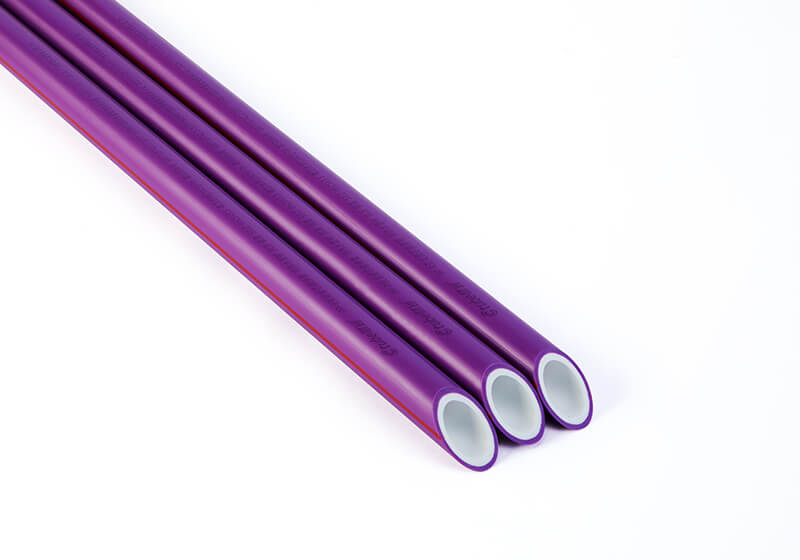
Ctube provides high-quality PPR piping solutions designed to meet a wide range of application needs, from residential systems to large-scale distribution networks. With reliable performance and consistent manufacturing standards, Ctube products support efficient and durable installations across different project types.
Thank you for taking the time to read this guide. We hope it has provided valuable insights into PPR pipe sizing and applications. If you have any project requirements or questions, feel free to contact us—we are always ready to support your next project.
11. FAQs
1. What do DN, OD, and PN mean in PPR pipes?
DN (Nominal Diameter) is a standardized reference used in engineering design, while OD (Outer Diameter) is the actual measured diameter of the pipe in millimeters. PN indicates the nominal pressure rating, which represents the allowable long-term working pressure under standard conditions, rather than the absolute maximum pressure.
2. How do I choose the right PPR pipe size for my project?
Pipe size selection depends on water demand, fixture usage, system layout, pipe length, and pressure requirements. In practice, the main supply line is sized based on peak demand, followed by smaller branch lines to ensure balanced flow and stable pressure throughout the system.
3. What are the most commonly used PPR pipe sizes in residential systems?
Typical residential sizes include 20 mm for individual fixtures, 25 mm for branch lines, and 32 mm for main supply lines. These sizes cover most household water distribution needs.
4. How does pipe length affect pipe size selection?
Longer pipe runs increase frictional pressure loss. In such cases, slightly larger pipe diameters—especially for main lines or risers—help maintain consistent flow and pressure at distant outlets.
5. What pipe sizes are typically used in commercial or industrial systems?
Commercial systems often use 32 mm to 50 mm pipes or larger to support higher demand and multiple users. Industrial systems may require 63 mm and above, depending on flow requirements and system design.
6. What is the typical lead time for a mixed container of pipes and fittings?
For standard sizes (20mm-63mm), lead time is usually 15-25 days. For large-diameter pipes (up to 160mm), we recommend allowing 30 days.
7. How do you ensure the straightness of 4-meter pipes during shipping?
We utilize reinforced hex-bundling and heavy-duty strapping to prevent bowing. For high-end projects, protective sleeves are available to ensure factory-perfect arrival.
8. Can you provide customized branding or color-coding?
Yes. We offer OEM inkjet marking (brand name, standards, length counters) and custom color stabilization to meet local market preferences.
9. How do you verify wall thickness consistency in high-volume orders?
Our production lines use online ultrasonic measurement systems. We provide batch-specific Material Test Certificates (MTC) adhering to ISO 15874 tolerances.
10. What are the loading capacities for 160mm pipes in a 40HQ?
To optimize freight, we suggest "nesting" smaller diameter pipes inside larger ones (e.g., 20mm inside 110mm) where local regulations allow, significantly reducing landed cost per meter.



 English
  French
  Spanish
  German
  Arabic
  Indonesian
  Vietnamese